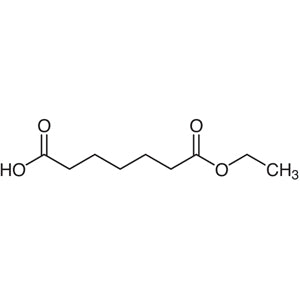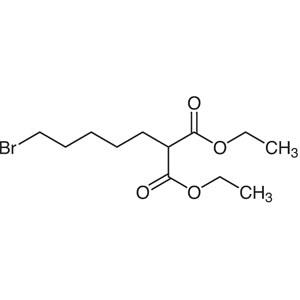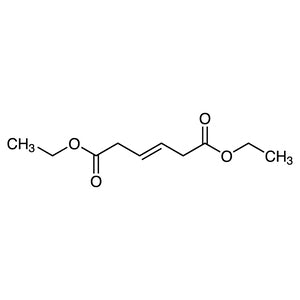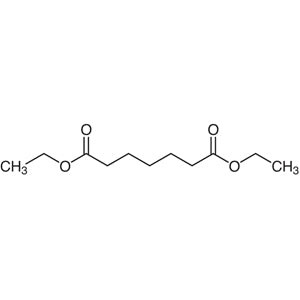
Diethyl pimelate (2050-20-6) is a chemical compound widely used in organic synthesis as a fundamental building block in laboratory settings. It serves as a versatile reagent that enables the formation of complex molecular structures through various chemical reactions. Its role in the laboratory is critical for researchers working on the development of aromatic compounds, esters, and other organic derivatives. This compound is particularly valued for its ability to participate in substitution reactions and bond formation, making it an essential tool in synthetic chemistry.
The properties of diethyl pimelate that make it a preferred choice include its reactivity under specific chemical conditions and its stability in controlled environments. It is reactive towards bases, acids, and high temperatures, which allows it to be utilized in a wide range of chemical transformations. Its chemical stability under certain conditions ensures that it remains effective during synthesis processes without undergoing unwanted side reactions. These characteristics make it a reliable and efficient reagent for laboratory applications.
In Indonesian laboratories, diethyl pimelate is commonly used due to its availability in liquid form and ease of handling. It is a practical choice for researchers needing a readily accessible and versatile building block for organic synthesis. Its widespread use in pharmaceutical, chemical, and material research highlights its importance in both academic and industrial settings. The compound's reactivity and adaptability make it a valuable resource for laboratories in Indonesia.
- Organic synthesis is a primary application where diethyl pimelate is used to create complex organic molecules through substitution and esterification reactions.
- Pharmaceutical research benefits from its role in the synthesis of aromatic compounds and esters, which are key components in drug development.
- Material science applications utilize its reactivity to form new chemical bonds, aiding in the creation of advanced materials with specific properties.
- Analytical chemistry laboratories use it as a standard reagent for testing and characterizing chemical reactions and molecular structures.
- Industrial chemical production relies on its stability and reactivity to produce a wide range of chemical products efficiently.
| Brand | TCI |
|---|---|
| CAS number | 2050-20-6 |
| Molecular formula | — |
| Purity | — |
| Category | Chemistry > Building Blocks > Non-Heterocyclic Building Blocks |
| Pack sizes | Available in various quantities as per supplier specifications |
| Physical form | Liquid |
| Storage | Store in a cool, dry place away from direct sunlight and incompatible substances |
Diethyl pimelate should be stored in a cool, dry environment to maintain its chemical stability and prevent degradation. It is recommended to use airtight containers made of glass or polyethylene to minimize exposure to air and moisture. Due to its reactivity, it should be kept away from strong acids, bases, and high temperatures to avoid unintended chemical reactions. Laboratory personnel should handle the compound with care, using appropriate personal protective equipment such as gloves and safety goggles. Proper ventilation is essential when working with this substance to ensure a safe working environment. Regular monitoring of storage conditions is necessary to maintain the integrity and effectiveness of the compound in laboratory applications.
—
Produk Terkait
-
MonoethylPimelate TCI P1244
Regular price From Rp 2.491.650,00Regular price -
DimethylPimelate TCI D4476
Regular price Rp 1.856.400,00Regular price -
DiethylAllylmalonate TCI A0231
Regular price From Rp 2.068.500,00Regular price -
DiethylAcetylenedicarboxylate TCI A0089
Regular price From Rp 2.837.100,00Regular price -
Diethyl1,3-Acetonedicarboxylate TCI A0055
Regular price From Rp 1.140.300,00Regular price -
TerephthalaldehydeMono(diethylAcetal) TCI T1401
Regular price Rp 3.578.400,00Regular price -
Diethyl(5-Bromopentyl)malonate TCI B2083
Regular price From Rp 2.254.350,00Regular price -
Diethyltrans-3-Hexenedioate TCI B1592
Regular price Rp 5.062.050,00Regular price