TCI P1967 Pretilachlor is a chloroacetanilide compound best known as a pre-emergence herbicide. It is used mainly in lowland (paddy) rice cultivation to control grass weeds and sedges. In the laboratory, pure pretilachlor is an important reference standard for analysing pesticide residues in rice, water and soil. A standard with a guaranteed identity lets food safety and environmental laboratories measure residue levels accurately, following validated analytical methods. TCI supplies this material under CAS number 51218-49-6 for research and analytical work.
Chloroacetanilide compounds work by disrupting the synthesis of very-long-chain fatty acids in germinating plants, which stops weeds from establishing. This mode of action makes pretilachlor a useful subject for research in plant physiology and environmental toxicology, and for studies of how exposure affects non-target organisms. For analytical work, a material with a clearly documented identity from a reputable manufacturer such as TCI matters a great deal. Any error in the reference standard shows up directly as an error in the measured residue values, so a well-characterised standard protects the reliability of every result built on it.
Indonesia is one of the world's largest rice producers, so monitoring herbicide residues in paddy fields and food products is a real national need. Food safety testing laboratories, environmental monitoring facilities, agricultural research institutes and university departments in Indonesia use pretilachlor reference material to support residue surveillance, method development and academic research. It is a practical choice for laboratories that need dependable identification and quantification of this widely used rice herbicide in a range of sample types.
TCI brochures (PDF)
- Agrochemical Ingredients for Research and Experimental Use 2026-01-08 · p. 3
- Plant Research Reagents 2026-02-24 · p. 10
- Reagents for Biological Research 2025-03-11 · p. 56
- Pesticide residue analysis in rice: pretilachlor serves as a reference standard for identifying and quantifying herbicide residues in rice grain and rice-based food products.
- Environmental water monitoring: laboratories use this material as a calibration standard for detecting pretilachlor runoff in irrigation water, rivers and groundwater near paddy cultivation areas.
- Soil residue studies: a well-characterised reference standard supports accurate measurement of pretilachlor that persists in agricultural soils after application during the rice growing season.
- Plant physiology research: because chloroacetanilides disrupt very-long-chain fatty acid synthesis in germinating plants, pretilachlor is useful for studying seedling development and herbicide mode of action.
- Environmental toxicology studies: researchers can use pure pretilachlor to assess how herbicide exposure affects non-target organisms, supporting ecological risk assessment around rice-growing regions.
| Brand | TCI (product code P1967) |
|---|---|
| CAS number | 51218-49-6 |
| Molecular formula | — |
| Purity | — |
| Category | Life Science > Cell Biology > Nutrition Research |
| Pack sizes | as offered by TCI for this product code; please confirm the available sizes when ordering |
| Physical form | refer to the manufacturer's product documentation |
| Storage | follow the storage conditions on the product label and Safety Data Sheet |
Store pretilachlor in its original, tightly closed container, in a cool, dry, well-ventilated area away from direct sunlight, heat sources and incompatible substances. Always follow the storage conditions given on the TCI label and Safety Data Sheet. Because this is a herbicide active ingredient, handle it with suitable personal protective equipment, including gloves, safety glasses and a laboratory coat, and work in a fume hood or well-ventilated area. Avoid skin contact, eye contact and inhaling dust or vapour. Prepare analytical standard solutions with clean, inert glassware, and label them clearly with concentration and preparation date. Keep the material away from food and animal feed. Dispose of waste and contaminated containers according to local regulations for chemical and pesticide waste, and do not release it into drains or the environment.
—
Produk Terkait
-
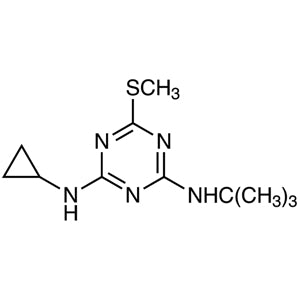
2-(tert-Butylamino)-4-(cyclopropylamino)-6-(methylthio)-1,3,5-triazine TCI I0842
Regular price From Rp 1.696.800,00Regular priceRp 1.202.250,00Sale price From Rp 1.696.800,00 -
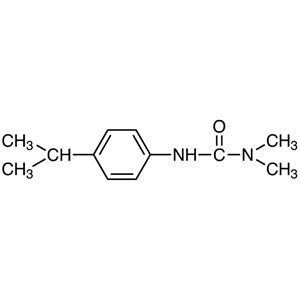
Isoproturon TCI I0843
Regular price From Rp 1.351.350,00Regular priceRp 960.750,00Sale price From Rp 1.351.350,00 -
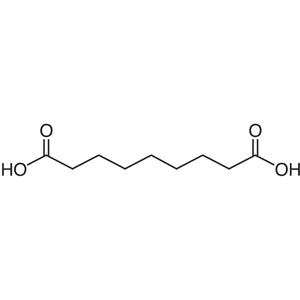
AzelaicAcid TCI A0561
Regular price From Rp 557.550,00Regular priceRp 405.300,00Sale price From Rp 557.550,00 -
AbieticAcid TCI A0001
Regular price From Rp 1.563.450,00Regular priceRp 1.108.800,00Sale price From Rp 1.563.450,00 -
Sulfentrazone TCI U0110
Regular price From Rp 2.464.350,00Regular priceRp 1.738.800,00Sale price From Rp 2.464.350,00 -
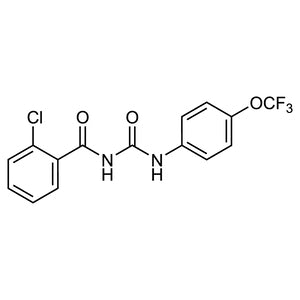
Triflumuron TCI T4364
Regular price From Rp 1.272.600,00Regular priceRp 905.100,00Sale price From Rp 1.272.600,00 -
Tralopyril TCI T4109
Regular price From Rp 2.782.500,00Regular priceRp 1.961.400,00Sale price From Rp 2.782.500,00 -
Tribenuron-methyl TCI T4085
Regular price From Rp 2.411.850,00Regular priceRp 1.702.050,00Sale price From Rp 2.411.850,00