![571177-69-0 [6,6]-Phenyl-C61-butyric Acid Dodecyl Ester - AMI Scientific](http://amiscientific.com/cdn/shop/files/TCI2510P2015.jpg?v=1769181186&width=1946)
![571177-69-0 [6,6]-Phenyl-C61-butyric Acid Dodecyl Ester - AMI Scientific](http://amiscientific.com/cdn/shop/files/TCI2510P2015.jpg?v=1769181186&width=1445)
[6,6]-Phenyl-C61-butyric Acid Dodecyl Ester from TCI is a C60 fullerene derivative in the PCBM family. In this molecule, the methyl ester group of PCBM is replaced by a long dodecyl chain. In the laboratory, it serves as an electron-acceptor (n-type) material in organic solar cell (OPV) and organic electronics research. When the active layer absorbs light, it accepts electrons from donor polymers or small molecules, so charges can separate and travel to the electrodes. It suits energy-materials research groups that want to compare different fullerene derivatives.
The most important feature of this material is its long dodecyl alkyl chain. This chain generally improves solubility in organic solvents and affects how the molecules pack within thin films. Compared with short-ester PCBM, changing the side chain gives researchers one more variable for tuning donor–acceptor blend morphology, phase separation, and the quality of spin-coated layers. The C61 fullerene core keeps the electron-accepting character that has made the PCBM family so widely used in organic photovoltaic research. This combination of a familiar acceptor core and a modified side chain makes it a useful candidate for systematic structure–property studies.
In Indonesian laboratories, this material is mainly used by university research groups and research institutes working on renewable energy, materials physics, and materials chemistry. Typical work includes preparing donor–acceptor blend solutions, making thin films by spin-coating, and building and testing OPV device prototypes. Researchers often use it alongside conventional PCBM to study how the length of the ester side chain affects film morphology and device performance. It also fits final-year projects and thesis work on organic electronic materials.
- Organic solar cell (OPV) active layers: the compound acts as an n-type electron acceptor that takes electrons from donor polymers, which allows charge separation and transport to the electrodes.
- Fullerene derivative comparison studies: its dodecyl ester chain makes it a direct counterpart to short-ester PCBM, so researchers can isolate the effect of side-chain length on material behavior.
- Blend morphology optimization: the long alkyl chain affects molecular packing and phase separation, which gives an extra variable for controlling the donor–acceptor blend structure in thin films.
- Solution processing and spin-coating trials: its generally better solubility in organic solvents helps researchers prepare coating solutions and look at how processing affects the quality of the deposited layer.
- Organic electronics research: the electron-accepting C61 core makes it relevant to wider studies of n-type organic semiconductors and charge-transfer processes in organic electronic devices.
| Brand | TCI (product code P2015) |
|---|---|
| CAS number | 571177-69-0 |
| Molecular formula | — |
| Purity | — |
| Category | Materials Science > Electronic Materials > Organic Solar Cell (OPV) Materials |
| Pack sizes | as listed on the product page; contact our team for availability |
| Physical form | — |
| Storage | follow the conditions on the TCI label and Safety Data Sheet |
- Chemical name: [6,6]-Phenyl-C61-butyric Acid Dodecyl Ester
Store this material in its original, tightly closed container in a cool, dry place away from direct light, heat sources, and incompatible substances. Follow the specific storage temperature and conditions on the TCI product label and Safety Data Sheet (SDS). Once a container is opened, reseal it promptly to limit exposure to moisture and air, and keep it clearly labeled. Handle the material in a well-ventilated area or fume hood, especially when preparing solutions in organic solvents. Wear standard personal protective equipment, including gloves, safety glasses, and a lab coat. Avoid creating dust and avoid contact with skin and eyes. Read the SDS before first use, and dispose of waste according to local regulations and your institution's procedures.
—
Produk Terkait
-
TCI B5774 5,10-Bis(4,4,5,5-tetramethyl-1,3,2-dioxaborolan-2-yl)naphtho[1,2-c:5,6-c']bis([1,2,5]oxadiazole)
Regular price Rp 10.255.350,00Regular price -
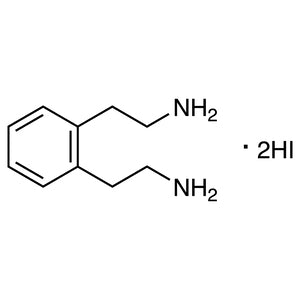
Dihydroiodide TCI B6569
Regular price From Rp 1.936.200,00Regular price -
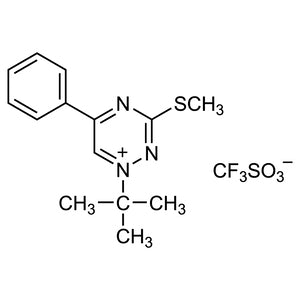
Trifluoromethanesulfonate TCI B7003
Regular price From Rp 1.936.200,00Regular price
![5,10-Bis(4,4,5,5-tetramethyl-1,3,2-dioxaborolan-2-yl)naphtho[1,2-c:5,6-c']bis([1,2,5]oxadiazole) - TCI B5774 - AMI Scientific](http://amiscientific.com/cdn/shop/files/TCI2510B5774.jpg?v=1769180228&width=533)