Propoxybenzene is a chemical compound widely used in laboratory settings as a foundational building block for various organic synthesis reactions. It serves as a versatile intermediate in the creation of more complex molecules, particularly in substitution reactions and other chemical transformations. Its simple molecular structure allows for easy modification, making it a valuable tool in synthetic chemistry. In the laboratory, it is often employed to facilitate the formation of functional groups, contributing to the development of new compounds with specific properties.
One of the key attributes that make propoxybenzene a preferred choice is its chemical stability and reactivity. It exhibits a favorable balance between inertness and the ability to participate in a wide range of chemical reactions. This makes it suitable for use with various reagents and catalysts, enhancing the efficiency of synthetic processes. Additionally, its solubility in organic solvents simplifies purification and isolation steps, streamlining laboratory workflows. These properties ensure that it remains a reliable and efficient reagent in both research and educational environments.
In Indonesian laboratories, propoxybenzene is commonly used in organic chemistry research and teaching. It plays a crucial role in the synthesis of pharmaceutical compounds, industrial materials, and environmental chemicals. Its availability and consistent quality make it a go-to material for researchers and students alike. The compound's versatility and reliability contribute to its widespread application across different scientific disciplines in Indonesia.
- Organic synthesis reactions benefit from propoxybenzene due to its ability to participate in substitution and coupling reactions, facilitating the construction of complex molecular structures.
- Pharmaceutical research utilizes propoxybenzene as a building block for the synthesis of drug molecules, offering a reliable starting point for functional group modifications.
- Environmental chemistry studies employ propoxybenzene in the development of compounds used for pollution control and remediation processes.
- Educational institutions use propoxybenzene to teach fundamental concepts of organic chemistry, providing students with hands-on experience in synthetic techniques.
- Industrial applications leverage propoxybenzene for the production of specialty chemicals, supporting various manufacturing processes in the chemical industry.
| Brand | TCI |
|---|---|
| CAS number | 622-85-5 |
| Molecular formula | — |
| Purity | — |
| Category | Chemistry > Building Blocks > Non-Heterocyclic Building Blocks |
| Pack sizes | Available in various quantities as per supplier specifications |
| Physical form | Liquid |
| Storage | Store in a cool, dry place away from direct sunlight and incompatible materials |
Propoxybenzene should be stored in a cool, dry environment to maintain its chemical stability. It is recommended to keep it in a tightly sealed container to prevent exposure to air and moisture. Due to its potential reactivity, it should be stored away from strong oxidizing agents and incompatible substances. Proper ventilation is essential when handling this compound to minimize inhalation risks. Laboratory personnel should wear appropriate personal protective equipment, including gloves and safety goggles, to ensure safe handling. Regular monitoring of storage conditions is advised to maintain the integrity and safety of the material.
—
Produk Terkait
-
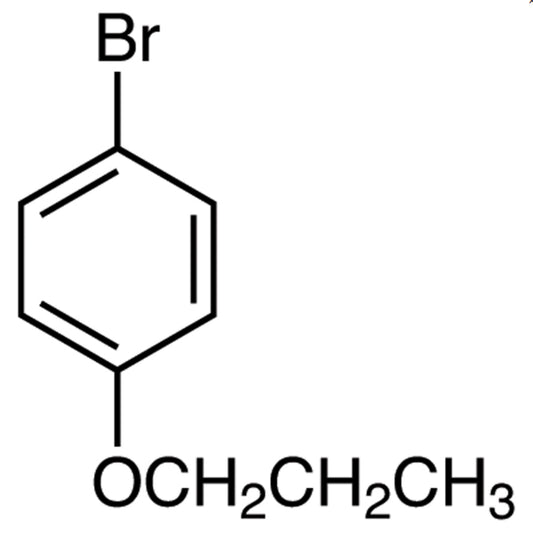
1-Bromo-4-propoxybenzene TCI B3639
Regular price From Rp 2.545.200,00Regular price -
4-IsopropoxybenzenesulfonylChloride TCI I0802
Regular price From Rp 2.597.700,00Regular price -
1-Bromo-2-isopropoxybenzene TCI B3100
Regular price From Rp 1.510.950,00Regular price -
1-Bromo-3-isopropoxybenzene TCI B2198
Regular price From Rp 610.050,00Regular price -
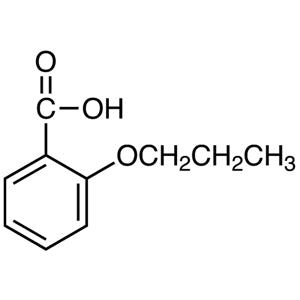
2-PropoxybenzoicAcid TCI P1694
Regular price From Rp 610.050,00Regular price -
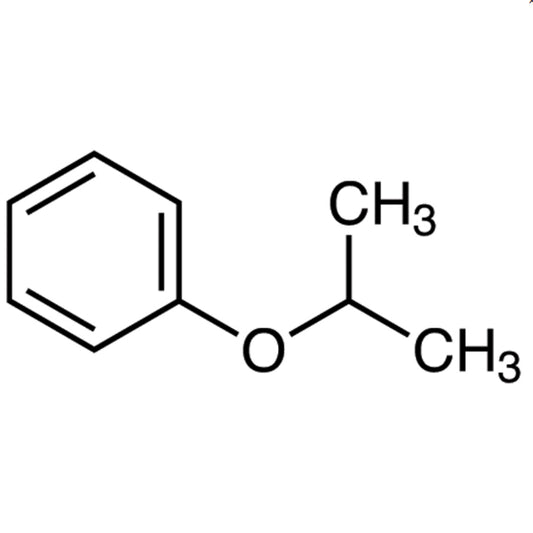
Isopropoxybenzene TCI I1073
Regular price From Rp 1.140.300,00Regular price -
Methyl4-Isopropoxybenzoate TCI I0587
Regular price Rp 875.700,00Regular price -
1,3-Dipropoxybenzene TCI D1362
Regular price From Rp 717.150,00Regular price