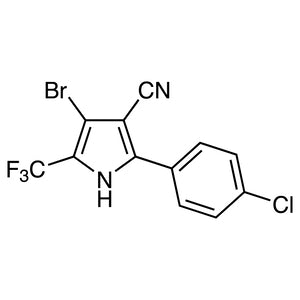
Probenazole is a chemical compound widely used in life science research, particularly in the study of cellular nutrition and metabolism. It plays a crucial role in experiments that investigate enzyme activity, cellular responses to environmental stimuli, and the impact of nutrients on cell growth. As a key reagent in biochemical and cellular biology research, Probenazole is essential for understanding metabolic pathways and their regulation. Its versatility makes it a valuable tool for researchers aiming to explore the complex interactions within biological systems.
Probenazole is favored for its chemical stability and solubility in organic solvents such as ethyl acetate and acetone. These properties ensure reliable performance in various laboratory techniques, including chromatography and spectroscopy. Its resistance to environmental changes also enhances its usability over extended periods, making it a dependable choice for long-term research projects. The compound's consistent behavior under different conditions contributes to its popularity among scientists working in both basic and applied research settings.
In Indonesian laboratories, Probenazole is commonly used in research institutions and universities focused on cellular biology and nutritional sciences. It is a preferred material due to its reliability and compatibility with a wide range of experimental methods. Its application supports both fundamental and applied research, making it an essential component in the toolkit of Indonesian scientists.
- Cellular metabolism studies benefit from Probenazole's ability to interact with metabolic pathways, aiding in the analysis of enzyme activity and nutrient utilization.
- Nutritional research utilizes Probenazole to investigate how dietary components influence cellular growth and function, supporting studies on bioavailability and metabolic responses.
- Enzyme activity assays rely on Probenazole to modulate or inhibit specific enzymatic reactions, providing insights into biochemical processes.
- Environmental stress response experiments use Probenazole to assess how cells adapt to changing conditions, offering valuable data on cellular resilience.
- Biochemical pathway analysis employs Probenazole to trace metabolic interactions, enhancing understanding of complex biological systems.
| Brand | TCI |
|---|---|
| CAS number | 27605-76-1 |
| Molecular formula | — |
| Purity | — |
| Category | Life Science > Cell Biology > Nutrition Research |
| Pack sizes | Available in various quantities as per standard laboratory supply |
| Physical form | Solid or powder, depending on the specific product formulation |
| Storage | Store in a cool, dry place away from direct sunlight |
Probenazole should be stored in a cool, dry environment to maintain its chemical stability and prevent degradation. It is recommended to keep the compound in a sealed container to minimize exposure to moisture and air, which could affect its performance. Suitable storage containers include glass or high-density polyethylene (HDPE) bottles with tight-fitting lids. When handling Probenazole, it is important to use appropriate personal protective equipment such as gloves and safety goggles to ensure laboratory safety. Avoid contact with skin and eyes, and ensure proper ventilation when working with the compound. Regular monitoring of storage conditions helps maintain the integrity of the material for reliable experimental results.
—
Produk Terkait
-
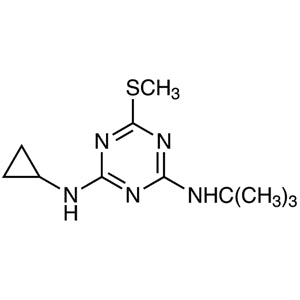
2-(tert-Butylamino)-4-(cyclopropylamino)-6-(methylthio)-1,3,5-triazine TCI I0842
Regular price From Rp 1.644.300,00Regular price -
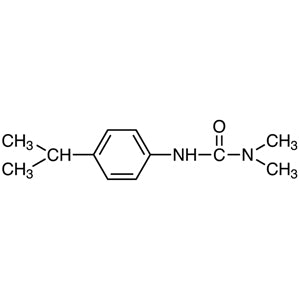
Isoproturon TCI I0843
Regular price From Rp 1.298.850,00Regular price -
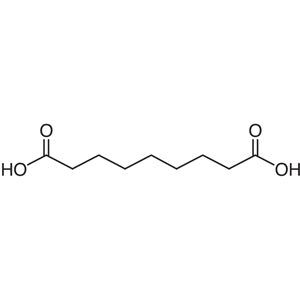
AzelaicAcid TCI A0561
Regular price From Rp 505.050,00Regular price -
AbieticAcid TCI A0001
Regular price From Rp 1.510.950,00Regular price -
Sulfentrazone TCI U0110
Regular price From Rp 2.411.850,00Regular price -
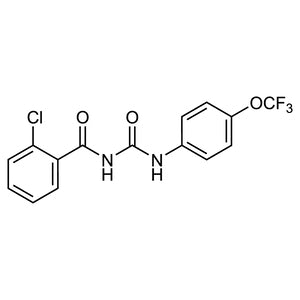
Triflumuron TCI T4364
Regular price From Rp 1.220.100,00Regular price -
Tralopyril TCI T4109
Regular price From Rp 2.730.000,00Regular price -
Tribenuron-methyl TCI T4085
Regular price From Rp 2.359.350,00Regular price