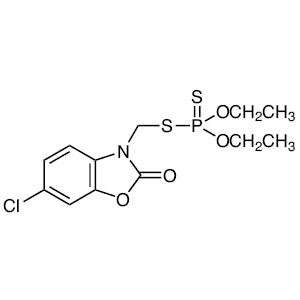
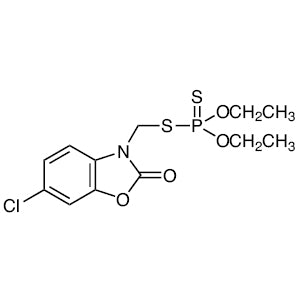
Phosalone from TCI is an organophosphate compound known as an insecticide and acaricide that was once widely used in agriculture. TCI lists it under Nutrition Research because it is relevant to food safety studies and pesticide residue work. In the laboratory, phosalone is used mainly as an analytical standard for monitoring pesticide residues in fruit, vegetables, soil, and water. It is also used as a test compound in toxicology studies of acetylcholinesterase inhibition, so it is useful to both analytical chemists and life science researchers.
Phosalone is a common choice as a reference standard because its structure and chromatographic behaviour are well known from multiresidue methods. It can be detected by gas chromatography and liquid chromatography coupled with mass spectrometry, two techniques found in most residue testing laboratories. Like other organophosphates, it works by inhibiting acetylcholinesterase, which makes it useful for developing and validating enzyme-based biosensors and enzyme inhibition assays. Laboratories need material with a clearly established identity to build calibration curves, run recovery tests, and set method detection limits, and a TCI-sourced compound supports that work.
Indonesia has very large horticulture and plantation sectors, so pesticide residue monitoring matters to food testing laboratories, agricultural research institutes, universities, and environmental monitoring facilities across the country. In these settings, phosalone is used as a reference compound in routine residue screening of produce and in soil and water analysis. It also supports academic research on organophosphate toxicology and on rapid enzyme-based detection methods for use in the field.
TCI brochures (PDF)
- Agrochemical Ingredients for Research and Experimental Use 2026-01-08 · p. 6
- Plant Research Reagents 2026-02-24 · p. 12
- Pesticide residue analysis in fruit and vegetables: phosalone works as an analytical standard in multiresidue methods because its chromatographic behaviour is well documented and easy to compare.
- Environmental monitoring of soil and water: the compound helps laboratories identify and quantify organophosphate residues in environmental samples analysed by GC-MS or LC-MS.
- Method validation and calibration: material with a clear identity lets analysts build calibration curves, run recovery tests, and set method detection limits with confidence.
- Acetylcholinesterase inhibition toxicology studies: as an organophosphate that inhibits acetylcholinesterase, phosalone is a suitable test compound for studying this mechanism of toxicity.
- Development of enzyme-based biosensors: because it inhibits acetylcholinesterase, phosalone is useful for building, testing, and validating biosensors and enzyme inhibition assays that detect pesticides.
| Brand | TCI (product code P2890) |
|---|---|
| CAS number | 2310-17-0 |
| Molecular formula | — |
| Purity | — |
| Category | Life Science > Cell Biology > Nutrition Research |
| Pack sizes | as offered in the TCI catalogue; please confirm when ordering |
| Physical form | — |
| Storage | follow the conditions on the TCI label and Safety Data Sheet |
- Compound class: organophosphate (insecticide and acaricide)
Store phosalone in its original, tightly closed manufacturer container under the conditions given on the TCI label and Safety Data Sheet. Keep it in a cool, dry, well-ventilated area away from direct light, incompatible materials, food, and animal feed. Phosalone is an organophosphate that inhibits acetylcholinesterase, so treat it as a toxic substance. Handle it in a fume hood and wear suitable gloves, safety glasses, and a lab coat. Avoid inhaling dust or vapour and avoid skin contact. Label standard solutions clearly, record their preparation dates, and dispose of waste according to local hazardous chemical regulations.
—
Produk Terkait
-
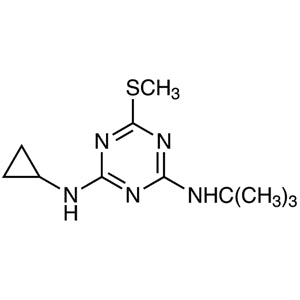
2-(tert-Butylamino)-4-(cyclopropylamino)-6-(methylthio)-1,3,5-triazine TCI I0842
Regular price From Rp 1.644.300,00Regular price -
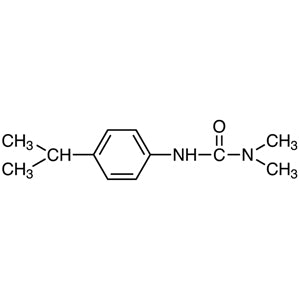
Isoproturon TCI I0843
Regular price From Rp 1.298.850,00Regular price -
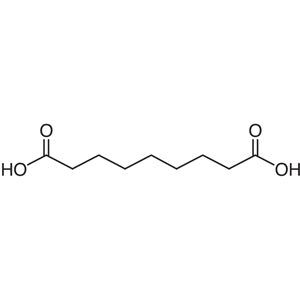
AzelaicAcid TCI A0561
Regular price From Rp 505.050,00Regular price -
AbieticAcid TCI A0001
Regular price From Rp 1.510.950,00Regular price -
Sulfentrazone TCI U0110
Regular price From Rp 2.411.850,00Regular price -
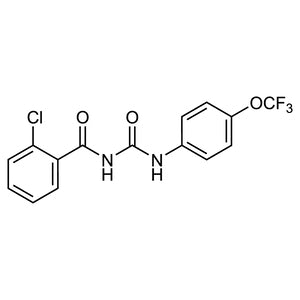
Triflumuron TCI T4364
Regular price From Rp 1.220.100,00Regular price -
Tralopyril TCI T4109
Regular price From Rp 2.730.000,00Regular price -
Tribenuron-methyl TCI T4085
Regular price From Rp 2.359.350,00Regular price