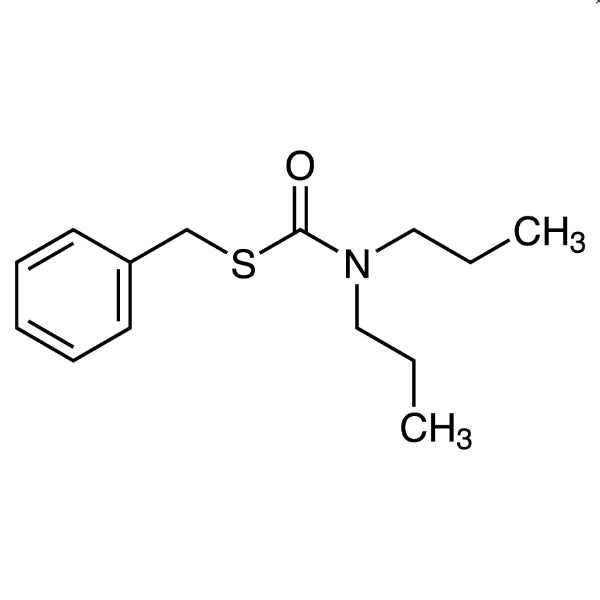
Prosulfocarb is a chemical compound widely used in laboratory research, particularly in the fields of nutrition and cell biology. As a pesticide with both herbicidal and fungicidal activity, it plays a vital role in studying the effects of chemical substances on plant growth and development. Its application extends to agricultural research, where it is used to develop new products and understand the impact of chemical compounds on biological systems. In the laboratory, Prosulfocarb serves as a key reagent for analyzing the interactions between chemical agents and biological processes.
The chemical properties of Prosulfocarb make it a preferred choice for researchers. It exhibits stability under certain conditions and is easily soluble in organic solvents, which enhances its usability in various experimental setups. These characteristics ensure consistency and reliability in analytical processes. Additionally, its reactivity allows it to participate in specific chemical reactions, broadening its research applications. The combination of stability, solubility, and reactivity makes Prosulfocarb a versatile tool for scientific investigations.
In Indonesian laboratories, Prosulfocarb is commonly used in agricultural research, plant nutrition studies, and environmental analyses. Its role in understanding the impact of chemical compounds on plant growth and biological systems is critical. Researchers in Indonesia rely on Prosulfocarb to develop sustainable agricultural practices and explore the long-term effects of chemical exposure on ecosystems. Its presence in these research areas underscores its importance in both academic and applied scientific work.
TCI brochures (PDF)
- Agrochemical Ingredients for Research and Experimental Use 2026-01-08 · p. 3
- Plant Research Reagents 2026-02-24 · p. 10
- Agricultural research utilizes Prosulfocarb to study the effects of herbicides and fungicides on crop growth and yield.
- Plant nutrition studies benefit from Prosulfocarb’s ability to simulate chemical interactions that influence nutrient uptake and plant development.
- Environmental analysis employs Prosulfocarb to assess the impact of chemical pollutants on soil and water systems.
- Biotechnology experiments use Prosulfocarb to investigate its role in modifying plant responses to chemical stressors.
- Toxicology research incorporates Prosulfocarb to evaluate the biological effects of chemical exposure on cellular structures and functions.
| Brand | TCI |
|---|---|
| CAS number | 52888-80-9 |
| Molecular formula | — |
| Purity | — |
| Category | Life Science > Cell Biology > Nutrition Research |
| Pack sizes | — |
| Physical form | — |
| Storage | Store in a cool, dry place away from direct sunlight |
Prosulfocarb should be stored in a cool, dry environment, away from direct sunlight and sources of heat. It is recommended to use airtight containers to prevent contamination and maintain its chemical integrity. Due to its reactivity, it should be handled with care, and appropriate personal protective equipment should be worn when working with it. In laboratory settings, it is important to ensure proper ventilation and to follow standard safety protocols to minimize exposure. Storage conditions should be consistent to preserve the stability and effectiveness of the compound during experimental use.
—
Produk Terkait
-
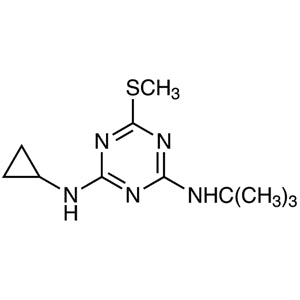
2-(tert-Butylamino)-4-(cyclopropylamino)-6-(methylthio)-1,3,5-triazine TCI I0842
Regular price From Rp 1.644.300,00Regular price -
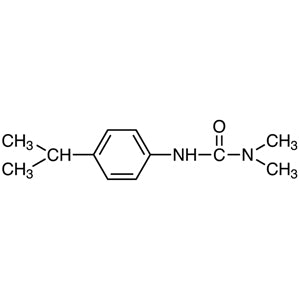
Isoproturon TCI I0843
Regular price From Rp 1.298.850,00Regular price -
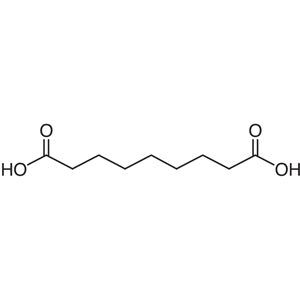
AzelaicAcid TCI A0561
Regular price From Rp 505.050,00Regular price -
AbieticAcid TCI A0001
Regular price From Rp 1.510.950,00Regular price -
Sulfentrazone TCI U0110
Regular price From Rp 2.411.850,00Regular price -
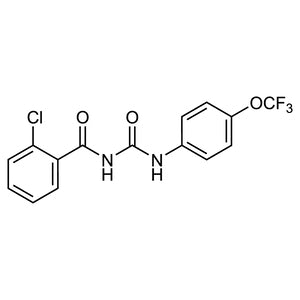
Triflumuron TCI T4364
Regular price From Rp 1.220.100,00Regular price -
Tralopyril TCI T4109
Regular price From Rp 2.730.000,00Regular price -
Tribenuron-methyl TCI T4085
Regular price From Rp 2.359.350,00Regular price