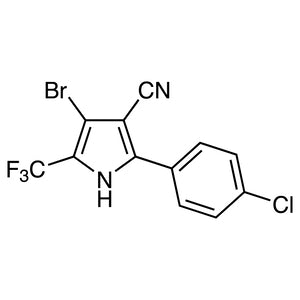
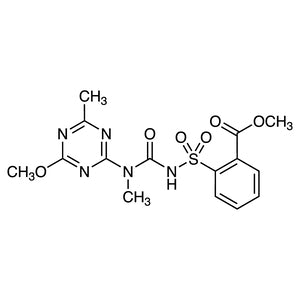
Pyridaben is a chemical compound widely used in life sciences research, particularly in the fields of cell biology and nutrition. It functions as a fungal growth inhibitor, making it a crucial tool for microbial control in laboratory environments. This compound is commonly employed in experiments that require the suppression of specific fungal species, such as *Aspergillus* or *Penicillium*, to maintain sample purity and integrity. Its role is essential in ensuring accurate and reliable results in microbiological studies.
One of the key attributes that make Pyridaben a preferred choice is its effectiveness at low concentrations. This property allows researchers to achieve the desired microbial control without the need for excessive dosing, which can be costly and potentially harmful. Additionally, Pyridaben exhibits good solubility in organic solvents, making it suitable for a wide range of experimental setups. These characteristics contribute to its versatility and reliability in laboratory applications.
In Indonesian laboratories, Pyridaben is frequently used in various life science research projects, including microbial nutrition studies, culture media development, and investigations into the effects of chemical compounds on microbial growth. It is also commonly found in public health and agricultural research, where microbial control is critical for maintaining experimental accuracy and safety. Its consistent performance and ease of use make it a valuable resource for researchers in Indonesia.
- Microbial Control in Nutritional Studies: Pyridaben is used to inhibit fungal growth in microbial nutrition experiments, ensuring accurate analysis of nutrient interactions.
- Culture Media Development: It helps in creating sterile environments for microbial cultures by preventing contamination from unwanted fungal species.
- Fungal Inhibition Research: Pyridaben is ideal for studies focusing on the effects of chemical agents on fungal growth, aiding in the development of antifungal strategies.
- Public Health Microbiology: It is applied in laboratories to control fungal contamination in samples related to disease transmission and environmental monitoring.
- Agricultural Microbial Studies: Pyridaben supports research on microbial interactions in soil and plant systems, contributing to sustainable farming practices.
| Brand | TCI |
|---|---|
| CAS number | 96489-71-3 |
| Molecular formula | — |
| Purity | — |
| Category | Life Science > Cell Biology > Nutrition Research |
| Pack sizes | Available in standard laboratory quantities |
| Physical form | Solid or liquid, depending on formulation |
| Storage | Store in a cool, dry place away from direct sunlight |
Pyridaben should be stored in a cool, dry environment, away from direct sunlight and sources of heat. It is recommended to use airtight containers made of materials compatible with its chemical properties, such as glass or high-density polyethylene. Proper labeling of containers is essential to ensure safe handling and prevent accidental exposure. In laboratory settings, it is important to maintain good ventilation and follow standard safety protocols when working with chemical compounds. Avoid contact with skin and eyes, and ensure that appropriate personal protective equipment is worn during handling. Regular monitoring of storage conditions helps in maintaining the stability and effectiveness of the compound over time.
—
Produk Terkait
-
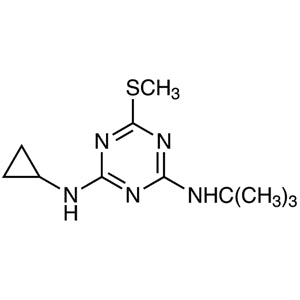
2-(tert-Butylamino)-4-(cyclopropylamino)-6-(methylthio)-1,3,5-triazine TCI I0842
Regular price From Rp 1.644.300,00Regular price -
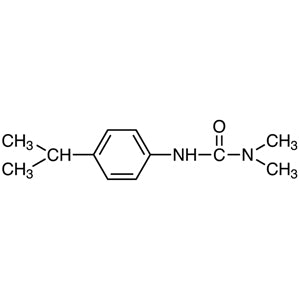
Isoproturon TCI I0843
Regular price From Rp 1.298.850,00Regular price -
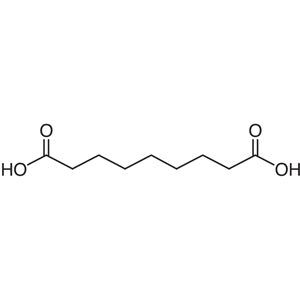
AzelaicAcid TCI A0561
Regular price From Rp 505.050,00Regular price -
AbieticAcid TCI A0001
Regular price From Rp 1.510.950,00Regular price -
Sulfentrazone TCI U0110
Regular price From Rp 2.411.850,00Regular price -
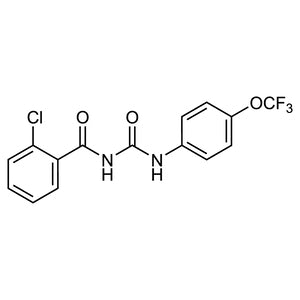
Triflumuron TCI T4364
Regular price From Rp 1.220.100,00Regular price -
Tralopyril TCI T4109
Regular price From Rp 2.730.000,00Regular price -
Tribenuron-methyl TCI T4085
Regular price From Rp 2.359.350,00Regular price