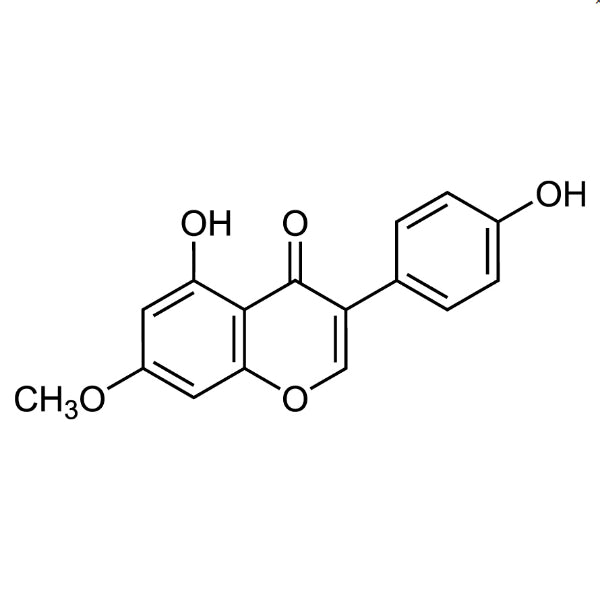
Prunetin is a chemical compound classified under the group of phenylpropanoids, known for its complex molecular structure and biological activity. It plays a vital role in biochemical and pharmacological research, where it is used to study the mechanisms of natural compounds with therapeutic potential. As a key component in the study of plant-derived bioactive molecules, Prunetin is widely utilized in laboratories for its ability to interact with various biological systems. Its presence in several plant species, particularly in the Leguminosae family, makes it a valuable resource for researchers exploring natural products with medicinal applications.
Prunetin is favored for its chemical stability and solubility in organic solvents such as ethyl acetate and ethanol. The presence of hydroxyl and phenyl groups in its molecular structure contributes to its reactivity, enabling it to participate in diverse chemical reactions. These properties make it an ideal candidate for use in synthetic chemistry and bioassay experiments. Additionally, its relatively simple isolation and processing in laboratory settings enhance its practicality for routine research applications. These characteristics collectively position Prunetin as a reliable and versatile compound in scientific investigations.
In Indonesian laboratories, Prunetin is commonly used in biochemistry and pharmacology research. It serves as a key reagent in experiments aimed at understanding the biological effects of natural compounds. Its role in studying antioxidant and antitumor activities makes it an essential tool for researchers working on drug discovery and development. The compound's availability and ease of handling further support its widespread use in academic and industrial research settings across Indonesia.
TCI brochures (PDF)
- Phytochemicals 2025-12-17 · p. 12
- Biochemical Research: Prunetin is extensively used in biochemical studies to investigate the biological mechanisms of natural compounds, particularly in the context of antioxidant and antitumor activities.
- Pharmacological Studies: It is employed in pharmacological experiments to evaluate the therapeutic potential of plant-derived compounds, supporting drug discovery efforts.
- Synthetic Chemistry: Due to its reactivity and solubility, Prunetin is a preferred reagent in the synthesis of various organic compounds and derivatives.
- Natural Product Isolation: Its presence in plant species makes it a valuable compound for isolating and analyzing bioactive molecules from botanical sources.
- Bioassay Development: Prunetin is used in the development of bioassays to test the biological activity of compounds in controlled experimental conditions.
| Brand | TCI |
|---|---|
| CAS number | 552-59-0 |
| Molecular formula | — |
| Purity | — |
| Category | Life Science > Biochemicals and Reagents > Phenylpropanoids, Aromatic Polyketides |
| Pack sizes | Available in various quantities as per standard laboratory supply |
| Physical form | Solid, typically in crystalline or powder form |
| Storage | Store in a cool, dry place away from light and moisture |
Prunetin should be stored in a cool, dry environment, away from direct light and moisture to maintain its chemical stability. It is recommended to use airtight containers made of glass or high-density polyethylene to prevent contamination and degradation. Due to its solubility in organic solvents, it should be handled in a well-ventilated area to minimize exposure. Laboratory personnel should wear appropriate personal protective equipment, such as gloves and safety goggles, when handling the compound. Proper labeling of containers is essential for safe storage and handling. Regular monitoring of storage conditions ensures the compound remains suitable for use in research applications.
—
Produk Terkait
-
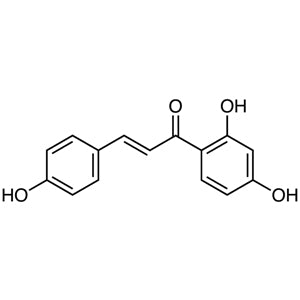
Isoliquiritigenin TCI I0822
Regular price From Rp 1.035.300,00Regular price -
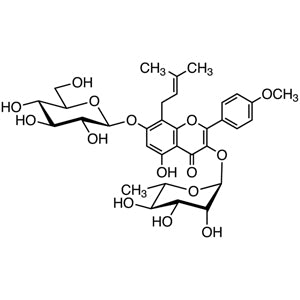
Icariin TCI I0862
Regular price From Rp 1.829.100,00Regular price -
Xanthohumol TCI X0068
Regular price Rp 13.249.950,00Regular price -
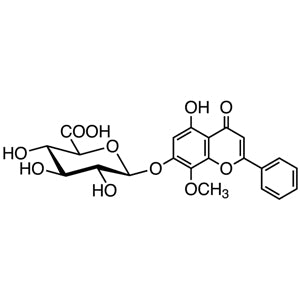
Wogonoside TCI W0012
Regular price From Rp 5.672.100,00Regular price -
Wogonin TCI W0010
Regular price From Rp 4.188.450,00Regular price -
PotengriffiosideA TCI T4196
Regular price Rp 7.844.550,00Regular price -
Tectochrysin TCI T4185
Regular price Rp 4.823.700,00Regular price -
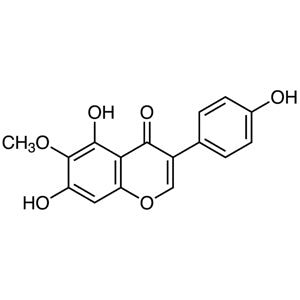
Tectorigenin TCI T3729
Regular price From Rp 4.718.700,00Regular price