Phenanthren-3-ol, also known as 3-hydroxyphenanthrene, is a phenanthrene derivative that carries a single phenolic hydroxyl group at the 3-position of its fused three-ring aromatic framework. In the laboratory it serves as a non-heterocyclic building block for organic synthesis, especially when researchers need a polycyclic aromatic scaffold that already has a reactive functional group in place. It is also widely recognised as one of the hydroxylated metabolites of phenanthrene, so it is often used as a reference compound in studies of exposure to polycyclic aromatic hydrocarbons (PAHs).
Phenanthren-3-ol is valued because it combines a rigid, planar phenanthrene framework with a phenol group that is easy to modify. The hydroxyl group can be converted into ethers, esters, triflates, or other derivatives, which opens the way to cross-coupling reactions and extension of the carbon skeleton. Its extended π-system gives it distinctive fluorescence and UV absorption, so the compound is easy to detect by chromatography with fluorescence detection and by mass spectrometry. Because it is supplied by TCI, researchers can rely on its identity and on consistent quality from lot to lot.
In Indonesia, Phenanthren-3-ol is used mainly in university organic chemistry laboratories, environmental and toxicology research groups, and analytical laboratories that monitor PAH contamination. Synthetic chemists use it as a starting material for functionalised polycyclic aromatic compounds. Analytical teams use it as a reference standard when they develop or validate methods for detecting hydroxylated PAH metabolites in biological or environmental samples. AMI Scientific supplies this TCI product to support these research and quality-control activities.
Related TCI products
- TCI P1136 84-11-7 9,10-Phenanthrenequinone
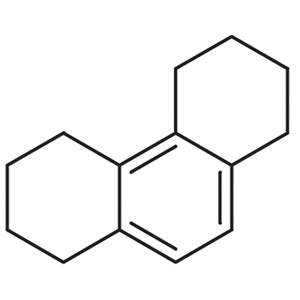
- TCI O0021 5325-97-3 1,2,3,4,5,6,7,8-Octahydrophenanthrene
- TCI M1411 121254-39-5 2-Methylcyclopenta[l]phenanthrene
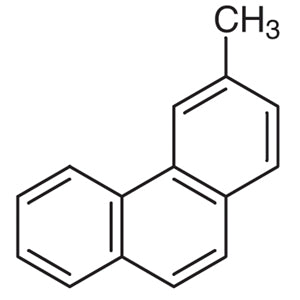
- TCI M0523 832-71-3 3-Methylphenanthrene
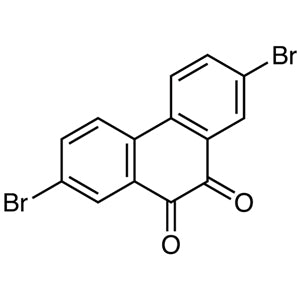
- TCI D4363 84405-44-7 2,7-Dibromophenanthrene-9,10-dione
- TCI D1874 35948-25-5 9,10-Dihydro-9-oxa-10-phosphaphenanthrene 10-Oxide
- Organic synthesis building block: the reactive phenolic hydroxyl on a rigid phenanthrene core allows direct attachment of new substituents without first having to build the polycyclic framework.
- Cross-coupling precursor preparation: the hydroxyl group can be converted into a triflate or a related leaving group, which enables palladium-catalysed coupling reactions to extend the aromatic skeleton.
- PAH exposure and metabolism studies: as a known hydroxylated metabolite of phenanthrene, it is used as an authentic reference compound when identifying and quantifying metabolites in exposure research.
- Analytical method development: its strong fluorescence and UV absorption make it suitable for calibrating and validating chromatographic methods that use fluorescence or mass spectrometric detection.
- Derivatisation and functional material research: converting the phenol into ethers or esters lets researchers explore how substituents affect the photophysical behaviour of planar polycyclic aromatic systems.
| Brand | TCI (product code P3265) |
|---|---|
| CAS number | 605-87-8 |
| Molecular formula | — |
| Purity | — |
| Category | Chemistry > Building Blocks > Non-Heterocyclic Building Blocks |
| Pack sizes | as listed in the current TCI catalogue; please confirm with AMI Scientific |
| Physical form | — |
| Storage | follow the conditions stated on the TCI label and Safety Data Sheet |
- Synonym: 3-Hydroxyphenanthrene
Keep Phenanthren-3-ol in its original, tightly closed container, stored in a cool, dry, well-ventilated place away from direct light, heat sources, and strong oxidising agents. Always follow the storage conditions given on the TCI label and in the Safety Data Sheet. If you transfer the material, use clean, dry, chemically compatible containers, such as amber glass vials, and label them clearly. Handle the compound in a fume hood or a well-ventilated area, and wear appropriate personal protective equipment, including gloves, safety glasses, and a lab coat. Avoid creating or breathing in dust, and prevent contact with skin and eyes. Dispose of waste in line with local regulations for aromatic organic compounds.
—
Produk Terkait
-
9,10-Phenanthrenequinone TCI P1136
Regular price From Rp 2.121.000,00Regular price -
1,2,3,4,5,6,7,8-Octahydrophenanthrene TCI O0021
Regular price From Rp 3.843.000,00Regular price -
2-Methylcyclopenta[l]phenanthrene TCI M1411
Regular price From Rp 2.279.550,00Regular price -
3-Methylphenanthrene TCI M0523
Regular price Rp 8.931.300,00Regular price -
2,7-Dibromophenanthrene-9,10-dione TCI D4363
Regular price From Rp 769.650,00Regular price -
9,10-Dihydro-9-oxa-10-phosphaphenanthrene10-Oxide TCI D1874
Regular price From Rp 795.900,00Regular price -
3,6-Dimethylphenanthrene TCI D1235
Regular price Rp 2.889.600,00Regular price -
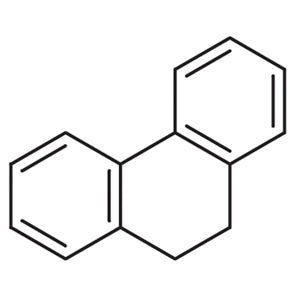
9,10-Dihydrophenanthrene TCI D0554
Regular price From Rp 3.683.400,00Regular price

![121254-39-5 2-Methylcyclopenta[l]phenanthrene - AMI Scientific](http://amiscientific.com/cdn/shop/files/TCI2510M1411.jpg?v=1767124927&width=533)