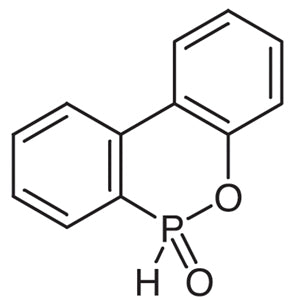
9,10-Dihydro-9-oxa-10-phosphaphenanthrene 10-Oxide is a chemical compound widely used in laboratory settings as a building block for the synthesis of heterocyclic compounds and organophosphorus derivatives. Its unique structure, featuring a phenanthrene ring with oxygen and phosphorus substitutions, allows it to participate in a variety of chemical reactions. This compound plays a crucial role in the development of new materials, pharmaceuticals, and industrial chemicals. Due to its stability and predictable reactivity, it is a reliable choice for researchers aiming to create complex molecular structures.
The compound's chemical properties make it a preferred choice for synthetic chemists. Its controlled reactivity enables it to engage in nucleophilic and electrophilic reactions, making it versatile in various synthetic pathways. The stability of its molecular framework ensures consistent performance in different experimental conditions. Additionally, its resistance to environmental factors simplifies storage and handling, reducing the risk of degradation during long-term use. These characteristics contribute to its popularity in both academic and industrial research environments.
In Indonesian laboratories, this compound is commonly used in organic chemistry, pharmaceutical research, and materials science. It is a key component in the development of new drugs and advanced materials. Researchers in educational institutions and research centers rely on its predictable behavior to design and execute complex chemical reactions. Its widespread application highlights its importance in advancing scientific innovation within the region.
Related TCI products
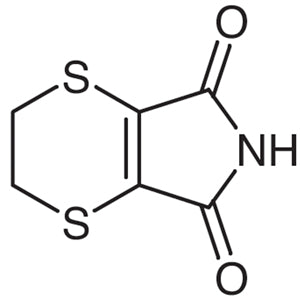
- TCI D2574 24519-85-5 5,6-Dihydro-1,4-dithiin-2,3-dicarboximide
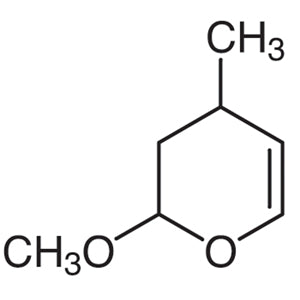
- TCI D2053 53608-95-0 3,4-Dihydro-2-methoxy-4-methyl-2H-pyran (cis- and trans- mixture)
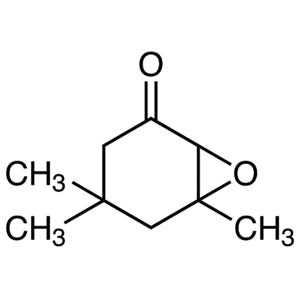
- TCI I0805 10276-21-8 Isophorone Oxide
- TCI T1439 3189-43-3 Tetracyanoethylene Oxide
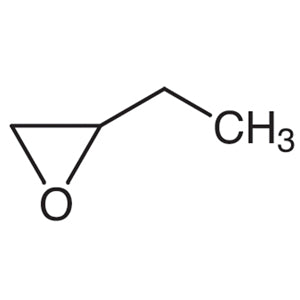
- TCI B0719 106-88-7 1,2-Butylene Oxide
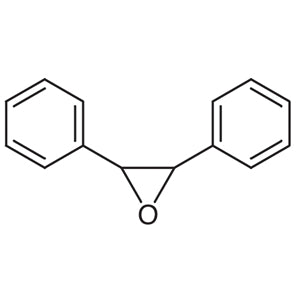
- TCI S0262 1439-07-2 trans-Stilbene Oxide
- Organic synthesis applications benefit from this compound's ability to participate in nucleophilic and electrophilic reactions, enabling the creation of complex molecular structures.
- Pharmaceutical research utilizes its role as a precursor in the development of bioactive compounds, supporting drug discovery and formulation processes.
- Material science applications leverage its unique structure to design novel phosphorus-containing materials with specific functional properties.
- Industrial chemical production relies on its stability and reactivity for the synthesis of organophosphorus compounds used in various applications.
- Environmental studies may use it as a model compound to investigate the behavior of phosphorus-based substances in different chemical environments.
| Brand | TCI |
|---|---|
| CAS number | 35948-25-5 |
| Molecular formula | — |
| Purity | — |
| Category | Chemistry > Building Blocks > Non-Heterocyclic Building Blocks |
| Pack sizes | Available in various quantities as per supplier specifications |
| Physical form | Solid or powder, depending on the specific product variant |
| Storage | Store in a cool, dry place away from moisture and direct sunlight |
This compound should be stored in a cool, dry environment to maintain its chemical integrity. It is recommended to use airtight containers to prevent exposure to moisture and air, which could lead to degradation. Laboratory personnel should handle the compound with appropriate personal protective equipment, including gloves and safety goggles, to ensure safety during use. While it is generally stable under normal conditions, it should be kept away from incompatible substances to avoid any potential chemical reactions. Proper labeling and storage practices are essential to ensure safe handling and long-term usability in research settings.
—
Produk Terkait
-
5,6-Dihydro-1,4-dithiin-2,3-dicarboximide TCI D2574
Regular price Rp 1.670.550,00Regular price -
3,4-Dihydro-2-methoxy-4-methyl-2H-pyran(cis-andtrans-mixture) TCI D2053
Regular price Rp 2.279.550,00Regular price -
IsophoroneOxide TCI I0805
Regular price From Rp 1.378.650,00Regular price -
TetracyanoethyleneOxide TCI T1439
Regular price Rp 3.683.400,00Regular price -
1,2-ButyleneOxide TCI B0719
Regular price From Rp 477.750,00Regular price -
trans-StilbeneOxide TCI S0262
Regular price From Rp 1.803.900,00Regular price -
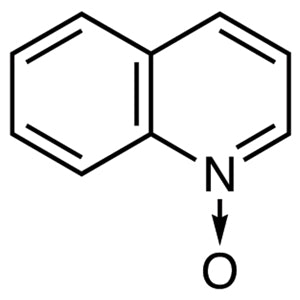
QuinolineN-Oxide TCI Q0104
Regular price Rp 1.829.100,00Regular price -
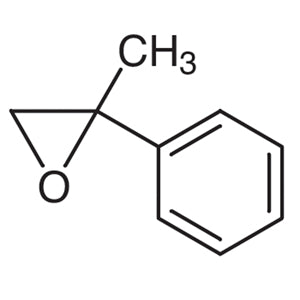
2-PhenylpropyleneOxide TCI P0833
Regular price Rp 10.494.750,00Regular price