2-Phenylpropylene Oxide is a chemical compound widely used as a foundational building block in organic synthesis. It plays a crucial role in laboratories by enabling the creation of complex organic molecules through various chemical reactions. Its unique molecular structure allows it to participate in nucleophilic, electrophilic, and oxidation reactions, making it a versatile reagent in synthetic chemistry. This compound is essential for the development of both heterocyclic and non-heterocyclic compounds, depending on the experimental requirements.
The compound’s high polarity, due to its oxide group, makes it soluble in organic solvents such as ethyl acetate and chloroform. This solubility enhances its reactivity and utility in various chemical processes. Additionally, its chemical stability under controlled conditions ensures consistent performance in laboratory settings. However, it is sensitive to high temperatures and air exposure, requiring careful handling and storage. These properties make it a preferred choice for researchers seeking reliable and effective reagents.
In Indonesian laboratories, 2-Phenylpropylene Oxide is extensively used in organic chemistry research, particularly in the development of pharmaceutical compounds and industrial chemicals. Its availability in practical packaging and accessibility make it a favored material among researchers and students. Its role in advancing chemical synthesis and innovation is significant, supporting both academic and industrial applications.
- Organic synthesis for the creation of complex pharmaceutical compounds due to its reactivity and structural versatility.
- Development of industrial chemicals through its ability to participate in various chemical reactions like nucleophilic and electrophilic substitutions.
- Research in heterocyclic compound synthesis as a building block for constructing ring structures in organic molecules.
- Use in oxidation reactions where its oxide group facilitates the formation of functional groups in target molecules.
- Support for academic and industrial research in chemical innovation by providing a reliable and effective reagent.
| Brand | TCI |
|---|---|
| CAS number | 2085-88-3 |
| Molecular formula | — |
| Purity | — |
| Category | Chemistry > Building Blocks > Non-Heterocyclic Building Blocks |
| Pack sizes | Available in various quantities as per standard laboratory requirements |
| Physical form | Liquid |
| Storage | Store in a cool, dry place away from heat and direct sunlight |
2-Phenylpropylene Oxide should be stored in a cool, dry place, away from heat and direct sunlight to maintain its chemical stability. It is recommended to use airtight containers to prevent exposure to air, which can affect its reactivity. Due to its sensitivity to high temperatures, it should not be stored in environments exceeding 25°C. Laboratory personnel should handle the compound with care, using appropriate personal protective equipment such as gloves and safety goggles. It is important to ensure proper ventilation when working with this compound to avoid inhalation of vapors. Proper storage and handling practices help maintain the compound’s effectiveness and safety in laboratory settings.
—
Produk Terkait
-
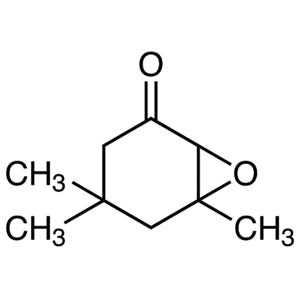
IsophoroneOxide TCI I0805
Regular price From Rp 1.378.650,00Regular price -
TetracyanoethyleneOxide TCI T1439
Regular price Rp 3.683.400,00Regular price -
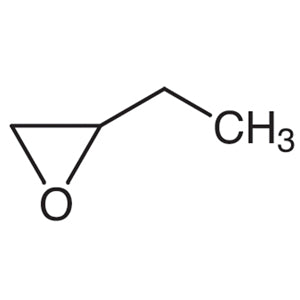
1,2-ButyleneOxide TCI B0719
Regular price From Rp 477.750,00Regular price -
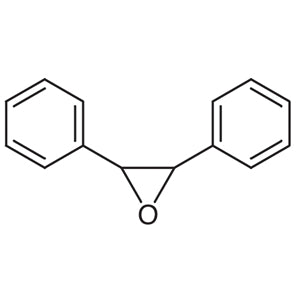
trans-StilbeneOxide TCI S0262
Regular price From Rp 1.803.900,00Regular price -
IsobutyleneOxide TCI I0323
Regular price From Rp 1.908.900,00Regular price -
PropyleneOxide TCI E0016
Regular price From Rp 452.550,00Regular price -
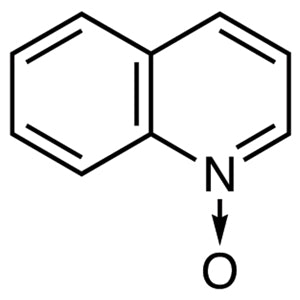
QuinolineN-Oxide TCI Q0104
Regular price Rp 1.829.100,00Regular price -
9,10-Dihydro-9-oxa-10-phosphaphenanthrene10-Oxide TCI D1874
Regular price From Rp 795.900,00Regular price