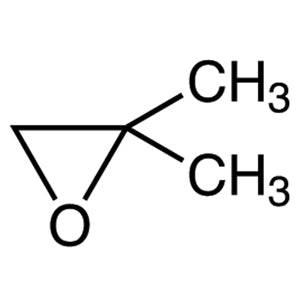
Isobutylene Oxide (IBO) is an organic chemical compound widely used in laboratories as a fundamental building block for the synthesis of complex compounds. It plays a crucial role in various chemical reactions, including epoxidation, polymerization, and substitution reactions. Its simple molecular structure and high reactivity make it an essential reagent in synthetic chemistry. IBO is particularly valued for its ability to participate in multiple functional group transformations, enabling the creation of a wide range of chemical derivatives. Due to its versatility, it is a key component in the development of industrial chemicals and materials.
The properties of IBO that make it a preferred choice include its high reactivity, moderate density, and high boiling point. These characteristics allow it to be easily measured and manipulated under controlled laboratory conditions. Its reactivity also makes it suitable for a variety of chemical processes, from polymer synthesis to the preparation of specialty chemicals. The compound’s ability to form stable intermediates in reactions further enhances its utility in synthetic pathways. Its chemical stability under appropriate conditions ensures consistent performance in laboratory applications.
In Indonesian laboratories, IBO is commonly used in organic synthesis, chemical development, and industrial research. It is a staple in academic and industrial settings due to its reliability and availability. Researchers in Indonesia rely on IBO for its role in creating new materials and compounds, supporting both basic and applied research. Its consistent quality and adherence to international standards make it a trusted choice for laboratory professionals.
- Organic synthesis is a primary application where IBO is used to create complex molecules through epoxidation and substitution reactions.
- Polymer production benefits from IBO's ability to participate in polymerization reactions, leading to the formation of materials like polyethylene and polyester.
- Industrial chemical development relies on IBO's reactivity to synthesize a wide range of functional compounds for various applications.
- Material science research utilizes IBO to develop new polymers and specialty chemicals with tailored properties.
- Chemical process optimization uses IBO to improve reaction efficiency and yield in synthetic pathways.
| Brand | TCI |
|---|---|
| CAS number | 558-30-5 |
| Molecular formula | — |
| Purity | — |
| Category | Chemistry > Building Blocks > Non-Heterocyclic Building Blocks |
| Pack sizes | Available in standard laboratory quantities |
| Physical form | Liquid |
| Storage | Must be stored in a sealed container to prevent contamination and unwanted reactions. |
Isobutylene Oxide should be stored in a cool, dry place away from direct sunlight and sources of heat. It is recommended to use sealed containers to prevent evaporation and contamination. Due to its reactivity, it should be handled in a well-ventilated area to minimize exposure. Laboratory personnel should wear appropriate personal protective equipment, such as gloves and safety goggles, when working with IBO. The compound should not be stored near incompatible materials, such as strong acids or bases, to avoid potential chemical reactions. Proper storage conditions ensure the stability and safety of IBO in laboratory environments.
—
Produk Terkait
-
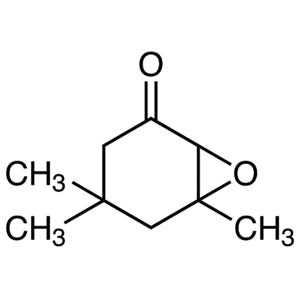
IsophoroneOxide TCI I0805
Regular price From Rp 1.378.650,00Regular price -
TetracyanoethyleneOxide TCI T1439
Regular price Rp 3.683.400,00Regular price -
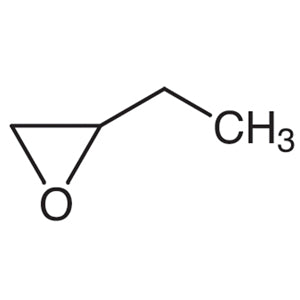
1,2-ButyleneOxide TCI B0719
Regular price From Rp 477.750,00Regular price -
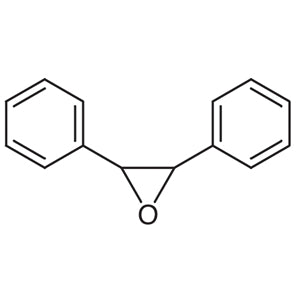
trans-StilbeneOxide TCI S0262
Regular price From Rp 1.803.900,00Regular price -
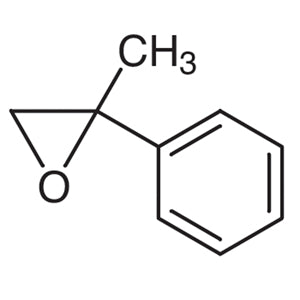
2-PhenylpropyleneOxide TCI P0833
Regular price Rp 10.494.750,00Regular price -
PropyleneOxide TCI E0016
Regular price From Rp 452.550,00Regular price -
QuinolineN-Oxide TCI Q0104
Regular price Rp 1.829.100,00Regular price -
9,10-Dihydro-9-oxa-10-phosphaphenanthrene10-Oxide TCI D1874
Regular price From Rp 795.900,00Regular price