1,2-Butylene Oxide is an organic compound widely used in chemical laboratories for the synthesis of complex molecules. It serves as a fundamental building block in various chemical reactions, particularly in the formation of both heterocyclic and non-heterocyclic compounds. This versatile reagent is essential in organic chemistry for initiating reactions that require the combination of carbon atoms with different functional groups. Its role in the laboratory is critical for the development of polymers, pharmaceuticals, and industrial chemicals.
The reactivity of 1,2-Butylene Oxide makes it a preferred choice in laboratory settings. It has a relatively high boiling point and is a colorless liquid that dissolves easily in organic solvents. These physical properties contribute to its effectiveness in chemical processes. Its ability to react with a variety of chemical groups allows it to be used in a wide range of synthetic applications. The compound's reactivity and solubility make it an ideal candidate for reactions such as epoxidation and carbon chain formation.
In Indonesian laboratories, 1,2-Butylene Oxide is commonly used in organic chemistry research. It is frequently found in academic institutions and research organizations where chemical synthesis is a key activity. Its role in facilitating complex molecular structures makes it an essential tool for chemists working on drug development, material science, and industrial chemical production. Its availability and reliability ensure its continued use in both educational and research settings.
TCI brochures (PDF)
- Epoxide Monomers 2025-09-19 · p. 1
- Monomers 2025-05-28 · p. 20
- Organic synthesis is a primary application where 1,2-Butylene Oxide is used to create complex molecular structures through various chemical reactions.
- Polymer production benefits from this compound due to its ability to participate in chain-forming reactions that are essential for creating synthetic polymers.
- Pharmaceutical research utilizes 1,2-Butylene Oxide as a key reagent in the development of new drugs and medicinal compounds.
- Industrial chemical manufacturing relies on this compound for the synthesis of various chemical intermediates and final products.
- Educational institutions use 1,2-Butylene Oxide in teaching and research to demonstrate fundamental chemical reactions and synthesis techniques.
| Brand | TCI |
|---|---|
| CAS number | 106-88-7 |
| Molecular formula | — |
| Purity | — |
| Category | Chemistry > Building Blocks > Non-Heterocyclic Building Blocks |
| Pack sizes | — |
| Physical form | Colorless liquid |
| Storage | Store in a cool, dry place away from light and incompatible materials |
1,2-Butylene Oxide should be stored in a cool, dry place away from direct sunlight and sources of heat. It is recommended to keep the compound in a sealed container to prevent evaporation and contamination. Due to its reactivity, it should be stored separately from strong oxidizing agents and incompatible substances. The container should be made of a material that is resistant to chemical corrosion, such as glass or high-density polyethylene. In laboratory settings, proper ventilation is essential to ensure safe handling. Always use appropriate personal protective equipment, including gloves and safety goggles, when working with this compound.
—
Produk Terkait
-
PropyleneOxide TCI E0016
Regular price From Rp 452.550,00Regular priceRp 316.050,00Sale price From Rp 452.550,00 -
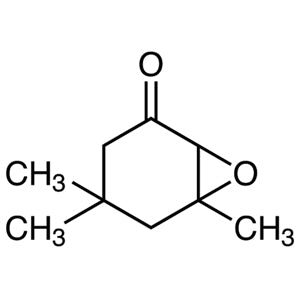
IsophoroneOxide TCI I0805
Regular price From Rp 1.431.150,00Regular priceRp 1.016.400,00Sale price From Rp 1.431.150,00 -
TetracyanoethyleneOxide TCI T1439
Regular price Rp 3.735.900,00Regular priceRp 2.628.150,00Sale price Rp 3.735.900,00 -
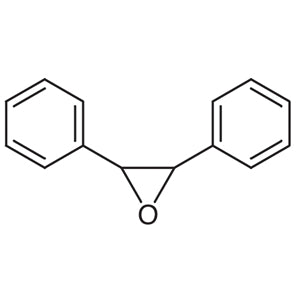
trans-StilbeneOxide TCI S0262
Regular price From Rp 1.803.900,00Regular priceRp 1.261.050,00Sale price From Rp 1.803.900,00 -
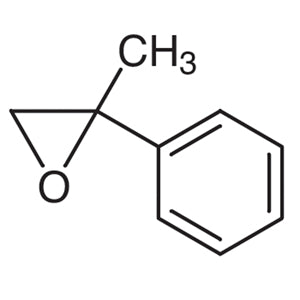
2-PhenylpropyleneOxide TCI P0833
Regular price Rp 10.494.750,00Regular priceRp 7.338.450,00Sale price Rp 10.494.750,00 -
IsobutyleneOxide TCI I0323
Regular price From Rp 1.908.900,00Regular priceRp 1.334.550,00Sale price From Rp 1.908.900,00 -
StyreneOxide TCI E0013
Regular price From Rp 477.750,00Regular priceRp 333.900,00Sale price From Rp 477.750,00 -
AllylGlycidylEther TCI A0221
Regular price From Rp 477.750,00Regular priceRp 333.900,00Sale price From Rp 477.750,00