Styrene Oxide (TCI E0013), with CAS number 96-09-3, is a chemical compound widely used in laboratory settings for its versatility in organic synthesis. It serves as a key building block in the creation of heterocyclic compounds, which are essential in pharmaceutical and material sciences. This compound is particularly valuable for its ability to participate in oxidation and substitution reactions, making it a fundamental reagent in synthetic chemistry. Its role in the laboratory is critical for researchers aiming to develop new compounds with specific structural and functional properties.
Styrene Oxide is preferred due to its chemical stability under controlled conditions and its reactivity in targeted chemical transformations. It has a distinct aroma and exists as a clear, volatile liquid, which makes it suitable for use in various synthetic protocols. Its ability to undergo controlled reactions allows for precise manipulation in laboratory processes, ensuring reproducibility and accuracy. The compound’s reactivity and stability make it an ideal choice for applications requiring high precision and controlled synthesis.
In Indonesian laboratories, Styrene Oxide is commonly used in academic and research institutions for the development of new compounds and applied research. It plays a vital role in the advancement of chemical research, particularly in the fields of pharmaceuticals and materials science. Its availability and effectiveness make it a standard component in the chemical supply chain for local scientific communities.
- Synthetic chemistry applications benefit from Styrene Oxide’s role in creating complex molecular structures, especially in heterocyclic compound synthesis.
- Pharmaceutical research utilizes this compound for the development of new drugs, as it contributes to the formation of essential chemical frameworks.
- Material science experiments often employ Styrene Oxide to produce polymers and other functional materials with specific properties.
- Organic chemistry laboratories use it as a reagent in oxidation and substitution reactions, offering versatility in synthetic pathways.
- Industrial research and development projects incorporate Styrene Oxide for the creation of specialized chemical products with tailored applications.
| Brand | TCI |
|---|---|
| CAS number | 96-09-3 |
| Molecular formula | — |
| Purity | — |
| Category | Chemistry > Building Blocks > Heterocyclic Building Blocks |
| Pack sizes | — |
| Physical form | Clear liquid |
| Storage | Store in a cool, dry place away from direct sunlight and incompatible materials |
Styrene Oxide should be stored in a cool, dry environment, away from direct sunlight and sources of heat. It is recommended to use sealed, airtight containers made of materials compatible with organic solvents, such as glass or high-density polyethylene. Due to its volatility and reactivity, it should be handled in a well-ventilated area, preferably under a fume hood. Personal protective equipment, including gloves, goggles, and a lab coat, should be worn at all times to prevent exposure. Avoid contact with incompatible substances such as strong oxidizing agents or acids. Regular monitoring of storage conditions is essential to maintain the compound’s stability and ensure safe laboratory practices.
—
Produk Terkait
-
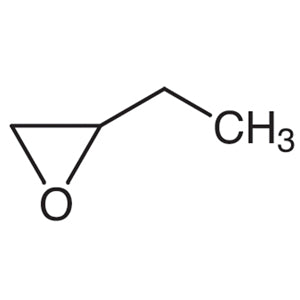
1,2-ButyleneOxide TCI B0719
Regular price From Rp 477.750,00Regular price -
PropyleneOxide TCI E0016
Regular price From Rp 452.550,00Regular price -
(S)-StyreneOxide TCI S0517
Regular price From Rp 2.254.350,00Regular price -
TrimethyleneOxide TCI T0473
Regular price Rp 5.512.500,00Regular price -
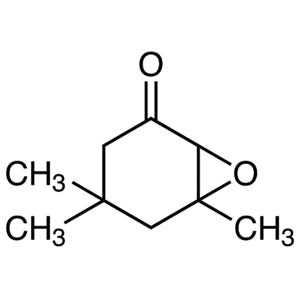
IsophoroneOxide TCI I0805
Regular price From Rp 1.378.650,00Regular price -
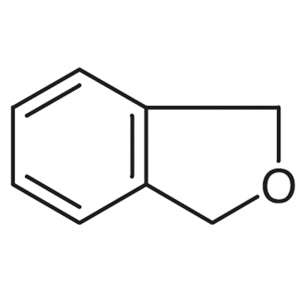
o-XylyleneOxide TCI X0053
Regular price From Rp 5.274.150,00Regular price -
Thianthrene5-Oxide TCI T4026
Regular price From Rp 1.353.450,00Regular price -
TrimorpholinophosphineOxide TCI T2748
Regular price From Rp 955.500,00Regular price