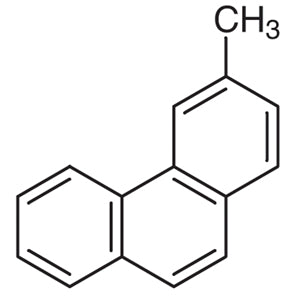
3-Methylphenanthrene is an organic compound widely used in chemical experiments, particularly in the synthesis of complex molecules and molecular structure studies. As a key component in chemical building blocks, it serves as a foundational material for creating more intricate chemical structures. In laboratory settings, this compound is frequently employed as a starting material in chemical reactions, whether for the synthesis of aromatic compounds or in molecular structure analysis. Its stable molecular structure and predictable chemical properties make it a reliable choice for researchers aiming to control and manipulate chemical reactions with precision.
This compound is valued for its high melting and boiling points, which make it suitable for use in high-temperature laboratory conditions. Its chemical stability ensures that it does not easily decompose, making it ideal for catalytic studies and investigations into the reactivity of aromatic compounds. The predictable behavior of 3-Methylphenanthrene allows for consistent results in experimental processes, enhancing the reliability of research outcomes. Its non-heterocyclic nature also aligns it with standard building blocks used in organic chemistry, facilitating compatibility with a wide range of synthetic methodologies.
In Indonesian laboratories, 3-Methylphenanthrene is commonly used in organic chemistry research, particularly by higher education institutions and research organizations. It is a standard material required for various experimental procedures, supporting both academic and industrial research. Its availability and consistent performance make it an essential component in the chemical supply chain within the Indonesian scientific community.
- Organic synthesis experiments benefit from 3-Methylphenanthrene due to its stable molecular structure and predictable chemical behavior, enabling precise control over reaction conditions.
- Molecular structure analysis relies on this compound as a reference material, providing a reliable basis for spectroscopic and chromatographic studies.
- Catalytic studies utilize 3-Methylphenanthrene to investigate the reactivity of aromatic compounds under various reaction conditions and catalysts.
- High-temperature chemical reactions require this compound because of its elevated melting and boiling points, ensuring stability during prolonged heating processes.
- Educational research in Indonesian universities frequently incorporates this compound to teach fundamental concepts in organic chemistry and synthetic methodologies.
| Brand | TCI |
|---|---|
| CAS number | 832-71-3 |
| Molecular formula | — |
| Purity | — |
| Category | Chemistry > Building Blocks > Non-Heterocyclic Building Blocks |
| Pack sizes | Available in various quantities as per standard chemical supply practices |
| Physical form | Solid |
| Storage | Store in a cool, dry place away from direct sunlight and incompatible materials |
3-Methylphenanthrene should be stored in a cool, dry environment to maintain its chemical stability and prevent degradation. It is recommended to keep it in airtight containers to minimize exposure to moisture and air, which could affect its integrity. Due to its high melting point, it is suitable for storage at room temperature, provided it is not exposed to extreme heat sources. Laboratory personnel should handle the compound with care, using appropriate personal protective equipment to ensure safety. Regular inspection of storage conditions is advised to ensure the compound remains in optimal condition for use in experiments.
—
Produk Terkait
-
3,6-Dimethylphenanthrene TCI D1235
Regular price Rp 2.889.600,00Regular price -
Benzo[c]phenanthrene TCI B6541
Regular price From Rp 1.829.100,00Regular price -
2-Methylcyclopenta[l]phenanthrene TCI M1411
Regular price From Rp 2.279.550,00Regular price -
Phenanthren-3-ol TCI P3265
Regular price Rp 3.949.050,00Regular price -
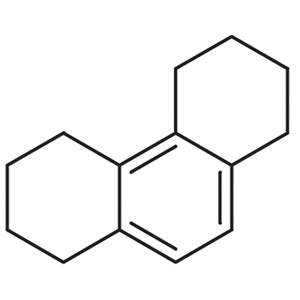
1,2,3,4,5,6,7,8-Octahydrophenanthrene TCI O0021
Regular price From Rp 3.843.000,00Regular price -
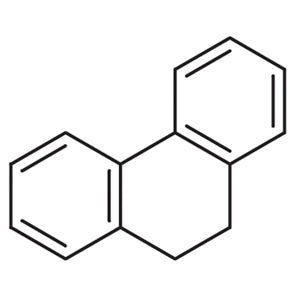
9,10-Dihydrophenanthrene TCI D0554
Regular price From Rp 3.683.400,00Regular price -
Phenanthrene(purifiedbysublimation) TCI P2877
Regular price From Rp 1.353.450,00Regular price -
PhenanthreneZoneRefined(numberofpasses:30) TCI P0331
Regular price Rp 2.942.100,00Regular price

![Benzo[c]phenanthrene (CAS 195-19-7) - TCI B6541 - AMI Scientific](http://amiscientific.com/cdn/shop/files/TCI2510B6541.jpg?v=1767093862&width=533)
![121254-39-5 2-Methylcyclopenta[l]phenanthrene - AMI Scientific](http://amiscientific.com/cdn/shop/files/TCI2510M1411.jpg?v=1767124927&width=533)