Quetiapine Hemifumarate is a chemical compound widely used in pharmaceutical research and pharmacological studies. As a hemifumarate salt of quetiapine, it serves as an essential reagent for researchers exploring the properties and mechanisms of antipsychotic drugs. This compound is commonly employed in laboratories for the synthesis of new compounds or as a test material to assess pharmacological effects and drug interactions. Its role in experimental research is critical for understanding how antipsychotic medications function in treating mental disorders such as schizophrenia and bipolar disorder.
The compound is valued for its chemical stability and solubility in organic solvents, making it a reliable choice for various analytical techniques. Its molecular structure, while complex, allows for easy manipulation and compatibility with methods like chromatography and spectroscopy. The stability of Quetiapine Hemifumarate ensures consistent results over time, making it ideal for long-term research projects. Additionally, its non-degradative nature enhances its usability in multiple experimental setups without compromising data integrity.
In Indonesian laboratories, Quetiapine Hemifumarate is frequently used in academic and industrial research settings. It supports studies related to drug development, pharmacology, and biochemical analysis. Researchers in Indonesia rely on this compound for its reliability, availability, and compatibility with standard laboratory procedures. Its application is particularly relevant in institutions focused on mental health research and pharmaceutical innovation.
TCI brochures (PDF)
- Neurotransmission Research Reagents 2026-07-17 · p. 2
- Pharmaceutical Ingredients for Research and Experimental Use 2026-03-09 · p. 29
- Pharmaceutical Research: Quetiapine Hemifumarate is ideal for studying antipsychotic drug mechanisms due to its chemical stability and solubility in organic solvents.
- Drug Synthesis: It serves as a key reagent in the synthesis of new compounds, offering a reliable source for chemical modifications and structural analysis.
- Pharmacological Testing: Its use in evaluating pharmacological effects allows researchers to assess drug interactions and therapeutic potential in controlled environments.
- Biochemical Analysis: The compound is compatible with chromatography and spectroscopy techniques, making it suitable for detailed molecular analysis.
- Long-term Research Projects: Its non-degradative nature ensures consistent results over extended periods, supporting in-depth scientific investigations.
| Brand | TCI |
|---|---|
| CAS number | 111974-72-2 |
| Molecular formula | — |
| Purity | — |
| Category | Life Science > Biochemicals and Reagents > Pharmaceutical Research Reagents |
| Pack sizes | Available in standard laboratory quantities |
| Physical form | Solid |
| Storage | Store in a cool, dry place away from light |
Quetiapine Hemifumarate should be stored in a cool, dry environment to maintain its chemical stability. It is recommended to keep the compound in a tightly sealed container to prevent moisture absorption and contamination. Suitable storage containers include glass or high-density polyethylene bottles, which provide protection against chemical interactions. Due to its non-reactive nature, it does not require special handling beyond standard laboratory safety protocols. Researchers should ensure proper ventilation when working with this compound to minimize exposure. Regular monitoring of storage conditions is advised to ensure the integrity of the material remains unaffected over time.
—
Product Categories
- Biochemicals and ReagentsPharmaceutical Research Reagents (for Experimental Use)Neurotransmitter Agent Ingredients (for Research and Experimental Use)
- Pharmaceutical Development and Drug Discovery ResearchPharmaceutical Research Reagents (for Experimental Use)Neurotransmitter Agent Ingredients (for Research and Experimental Use)
Produk Terkait
-
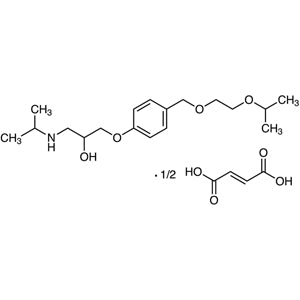
BisoprololHemifumarate TCI B3994
Regular price Rp 3.578.400,00Regular priceRp 2.517.900,00Sale price Rp 3.578.400,00 -
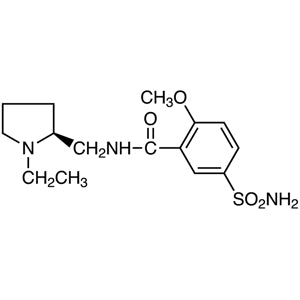
(S)-(-)-Sulpiride TCI I0821
Regular price Rp 2.252.250,00Regular priceRp 1.590.750,00Sale price Rp 2.252.250,00 -
IpratropiumBromideMonohydrate TCI I0907
Regular price Rp 2.677.500,00Regular priceRp 1.887.900,00Sale price Rp 2.677.500,00 -
Zotepine TCI Z0054
Regular price Rp 6.756.750,00Regular priceRp 4.740.750,00Sale price Rp 6.756.750,00 -
AcetylcholineChloride TCI A0084
Regular price From Rp 1.405.950,00Regular priceRp 998.550,00Sale price From Rp 1.405.950,00 -
ZiprasidoneHydrochlorideMonohydrate TCI Z0032
Regular price From Rp 1.008.000,00Regular priceRp 720.300,00Sale price From Rp 1.008.000,00