Sodium Ricinolate is a chemical compound widely used in laboratory settings for biochemical and lipid analysis applications. It is a sodium salt of ricinoleic acid, a monounsaturated fatty acid naturally found in castor oil and flaxseed oil. This compound plays a crucial role in various experimental procedures, including chemical reactions, qualitative analysis, and lipid structure research. Its presence in Indonesian laboratories supports the study of lipid properties and the development of specialized chemical products. Sodium Ricinolate is an essential reagent for researchers working in life sciences and biochemistry.
Sodium Ricinolate is valued for its chemical stability and solubility in organic solvents such as ethyl acetate and chloroform. These properties make it highly versatile for use in a range of chemical reactions and separation processes. Its reactivity allows it to participate effectively in chemical interactions, making it suitable for applications requiring active chemical engagement. Additionally, its non-toxic nature and ease of handling contribute to its safety profile, making it a preferred choice for laboratories prioritizing both performance and safety.
In Indonesian laboratories, Sodium Ricinolate is commonly used in research related to lipid chemistry, biochemistry, and analytical chemistry. It supports studies on the physical and chemical properties of lipids, as well as the development of new chemical compounds. Its application is particularly relevant in academic and industrial research settings where reliable and safe reagents are essential for accurate experimentation and innovation.
TCI brochures (PDF)
- Lipids 2025-12-17 · p. 6
- Lipid Analysis: Sodium Ricinolate is used for studying the chemical and physical properties of lipids, aiding in the identification and characterization of lipid compounds.
- Biochemical Reactions: Its reactivity makes it suitable for participating in chemical reactions that require active participation of lipid-derived compounds.
- Qualitative Testing: It is employed in qualitative analysis to detect and identify the presence of specific lipid components in samples.
- Structural Research: Sodium Ricinolate supports research on lipid structure, contributing to the understanding of molecular organization in biological systems.
- Organic Synthesis: Its solubility in organic solvents makes it a useful reagent in the synthesis of various organic compounds and derivatives.
| Brand | TCI |
|---|---|
| CAS number | 5323-95-5 |
| Molecular formula | — |
| Purity | — |
| Category | Life Science > Biochemicals and Reagents > Lipids |
| Pack sizes | Available in various quantities as per standard laboratory supply specifications |
| Physical form | Solid powder or crystalline, depending on packaging |
| Storage | Store in a cool, dry place away from moisture and direct sunlight |
Sodium Ricinolate should be stored in a cool, dry environment to maintain its chemical stability and prevent degradation. It is recommended to keep the material in airtight containers to avoid exposure to moisture and contaminants. Due to its chemical properties, it should be handled with care, using appropriate personal protective equipment such as gloves and safety goggles. In laboratory settings, it is important to ensure proper ventilation when working with this compound to minimize inhalation risks. The material is non-toxic, but general laboratory safety protocols should still be followed to ensure safe handling and storage practices.
—
Product Categories
Produk Terkait
-
TCI B5774 5,10-Bis(4,4,5,5-tetramethyl-1,3,2-dioxaborolan-2-yl)naphtho[1,2-c:5,6-c']bis([1,2,5]oxadiazole)
Regular price Rp 10.307.850,00Regular priceRp 7.224.000,00Sale price Rp 10.307.850,00 -
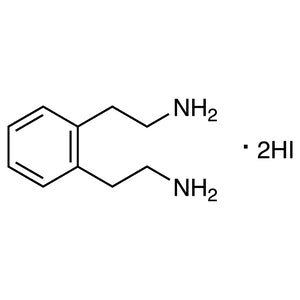
Dihydroiodide TCI B6569
Regular price From Rp 1.988.700,00Regular priceRp 1.405.950,00Sale price From Rp 1.988.700,00 -
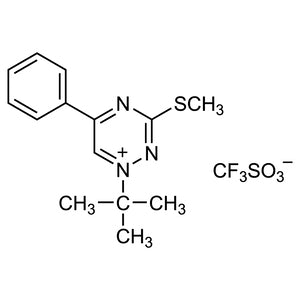
Trifluoromethanesulfonate TCI B7003
Regular price From Rp 1.988.700,00Regular priceRp 1.405.950,00Sale price From Rp 1.988.700,00