Rhenium(VI) Oxide (Re₂O₃), with CAS number 1314-28-9, is a chemical compound widely used in scientific and industrial applications. It belongs to the category of inorganic compounds and is commonly found in fields such as catalysis, material chemistry, and chemical analysis. This compound plays a crucial role in laboratory settings, where it serves as a key reagent or catalyst in various chemical reactions. Its unique chemical properties make it a valuable tool for researchers working on advanced chemical synthesis and material development. Due to its stability under normal conditions, it is also preferred for use in controlled laboratory environments where precision and reliability are essential.
Rhenium(VI) Oxide is known for its stable chemical properties and reactivity under specific conditions, making it a preferred choice for many laboratory applications. It has a dense crystalline structure and a distinctive dark brown color, which aids in its identification and handling. These physical characteristics contribute to its utility in both qualitative and quantitative chemical analyses. Its ability to act as a catalyst in various chemical processes further enhances its importance in research and industrial settings. The compound’s inertness under normal conditions also ensures safety during storage and handling, reducing the risk of unwanted reactions.
In Indonesian laboratories, Rhenium(VI) Oxide is commonly used in inorganic chemistry and catalysis research. It is frequently employed in experiments related to chemical synthesis, material development, and analytical chemistry. Its availability in solid form makes it convenient for use in laboratory procedures, including weighing and mixing. Many research institutions and universities in Indonesia rely on this compound for their experimental work, highlighting its significance in the scientific community.
TCI brochures (PDF)
- Metallic Salts 2025-11-06 · p. 7
- Transition Metal Catalysts 2026-04-10 · p. 7
- Inorganic Chemistry Research: Rhenium(VI) Oxide is widely used in inorganic chemistry for synthesizing complex compounds and studying reaction mechanisms.
- Catalytic Processes: It serves as an effective catalyst in various chemical reactions, particularly in industrial and academic settings where efficiency is critical.
- Material Science Applications: The compound is utilized in the development of advanced materials due to its unique physical and chemical properties.
- Analytical Chemistry: Its stable nature and distinct color make it useful in qualitative and quantitative analysis for identifying and quantifying other substances.
- Educational Purposes: It is often used in teaching laboratories to demonstrate chemical reactions and properties of transition metals.
| Brand | TCI |
|---|---|
| CAS number | 1314-28-9 |
| Molecular formula | — |
| Purity | — |
| Category | Chemistry > Catalysis and Inorganic Chemistry > Transition Elements |
| Pack sizes | Available in various quantities suitable for laboratory use |
| Physical form | Solid |
| Storage | Store in a cool, dry place away from moisture and direct sunlight |
Rhenium(VI) Oxide should be stored in a cool, dry environment to maintain its stability and prevent degradation. It is recommended to use airtight containers to protect it from moisture and contaminants. Due to its inert nature under normal conditions, it does not require special handling, but care should be taken to avoid exposure to extreme temperatures or reactive substances. In laboratory settings, it is advisable to handle the compound with standard safety protocols, including the use of gloves and proper ventilation. Its solid form makes it easy to manage and measure, contributing to its practicality in experimental work.
—
Produk Terkait
-
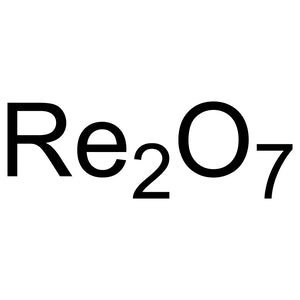
Rhenium(VII)Oxide TCI R0281
Regular price From Rp 5.803.350,00Regular priceRp 4.058.250,00Sale price From Rp 5.803.350,00 -
Rhenium(IV)Oxide TCI R0279
Regular price Rp 7.897.050,00Regular priceRp 5.521.950,00Sale price Rp 7.897.050,00 -
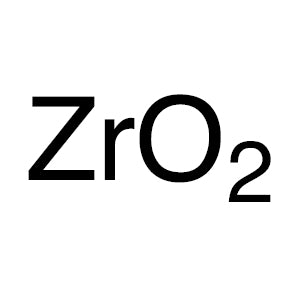
Zirconium(IV)Oxide TCI Z0049
Regular price From Rp 848.400,00Regular priceRp 593.250,00Sale price From Rp 848.400,00 -
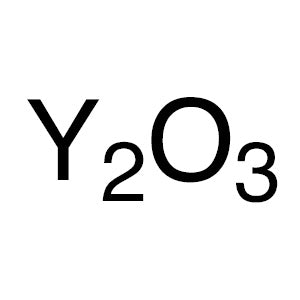
Yttrium(III)Oxide TCI Y0007
Regular price From Rp 1.008.000,00Regular priceRp 720.300,00Sale price From Rp 1.008.000,00 -
Vanadium(IV)Oxide TCI V0177
Regular price From Rp 1.803.900,00Regular priceRp 1.261.050,00Sale price From Rp 1.803.900,00 -
Vanadium(III)Oxide TCI V0170
Regular price From Rp 1.167.600,00Regular priceRp 815.850,00Sale price From Rp 1.167.600,00 -
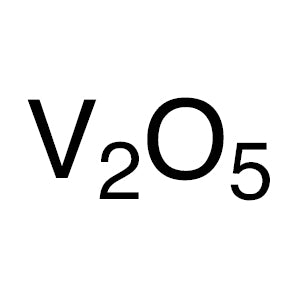
Vanadium(V)Oxide TCI V0169
Regular price From Rp 477.750,00Regular priceRp 333.900,00Sale price From Rp 477.750,00 -
Titanium(IV)Oxide,AEROXIDE(regR)P25 TCI T4118
Regular price Rp 1.220.100,00Regular priceRp 852.600,00Sale price Rp 1.220.100,00