Sodium benzoate (TCI S0593, CAS 532-32-1) is a widely used chemical compound in laboratory settings. As a building block in organic chemistry, it plays a crucial role in various synthetic reactions, including substitution and esterification processes. Its versatility makes it an essential component for researchers working on the development of aromatic compounds and functional derivatives. Sodium benzoate is also commonly used in the pharmaceutical and food industries as a preservative due to its ability to inhibit microbial growth.
One of the key reasons sodium benzoate is preferred in laboratory applications is its chemical stability and controlled reactivity. It is soluble in water and has a neutral pH, which allows it to be used in a wide range of experimental conditions without causing unwanted side reactions. Its high purity and consistent quality ensure reliable results in analytical and synthetic experiments. These properties make it a trusted material for both basic and advanced research in chemistry.
In Indonesian laboratories, sodium benzoate is frequently used in chemical research, including studies on reaction mechanisms, compound synthesis, and analytical chemistry. Its availability and cost-effectiveness make it a popular choice for academic and industrial research. It is commonly found in laboratories involved in organic synthesis, quality control, and environmental testing. Its role in supporting scientific innovation is significant, especially in regions where access to high-quality reagents is essential.
- Organic synthesis applications benefit from sodium benzoate due to its role in substitution and esterification reactions, supporting the creation of aromatic compounds and functional derivatives.
- Pharmaceutical research utilizes sodium benzoate as a preservative, helping to maintain the stability and shelf life of drug formulations during development and testing.
- Food industry analysis employs sodium benzoate for its antimicrobial properties, aiding in the detection and control of microbial contamination in food samples.
- Chromatographic analysis relies on sodium benzoate as a reference compound, enabling accurate identification and quantification of compounds in complex mixtures.
- Environmental testing uses sodium benzoate to assess the presence and behavior of aromatic compounds in water and soil samples, supporting ecological and toxicological studies.
| Brand | TCI |
|---|---|
| CAS number | 532-32-1 |
| Molecular formula | — |
| Purity | — |
| Category | Chemistry > Building Blocks > Non-Heterocyclic Building Blocks |
| Pack sizes | Available in various quantities as per standard laboratory supply options |
| Physical form | White crystalline powder |
| Storage | Store in a cool, dry place away from direct sunlight and moisture |
Sodium benzoate should be stored in a cool, dry environment to maintain its chemical stability and prevent degradation. It is recommended to keep the material in a sealed container to avoid moisture absorption, which could affect its purity and performance. As a water-soluble compound, it should be stored away from incompatible substances such as strong acids or bases to prevent unwanted reactions. Proper labeling of storage containers is essential for safe handling and easy identification. In laboratory settings, personal protective equipment such as gloves and safety goggles should be worn when handling sodium benzoate to ensure safety and compliance with standard operating procedures.
—
Produk Terkait
-
Methyl3,4,5-Tris(benzyloxy)benzoate TCI T1870
Regular price Rp 1.458.450,00Regular price -
Methyl3-(Bromomethyl)benzoate TCI B2224
Regular price From Rp 1.856.400,00Regular price -
Methyl4-(Bromomethyl)benzoate TCI B2053
Regular price From Rp 1.353.450,00Regular price -
AllylBenzoate TCI B2041
Regular price Rp 2.650.200,00Regular price -
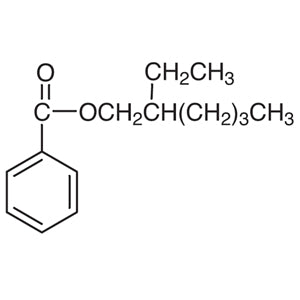
2-EthylhexylBenzoate TCI B1977
Regular price Rp 2.677.500,00Regular price -
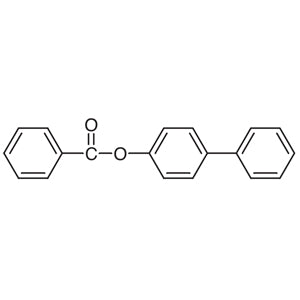
4-BiphenylBenzoate TCI B1866
Regular price From Rp 1.220.100,00Regular price -
3-Methyl-2-butenylBenzoate TCI B1409
Regular price Rp 2.068.500,00Regular price -
4-ChlorobutylBenzoate TCI B1399
Regular price From Rp 769.650,00Regular price