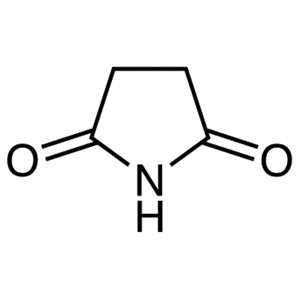
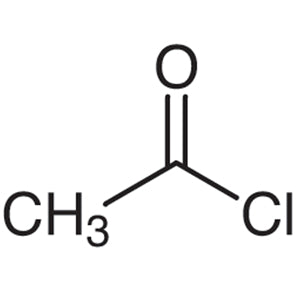
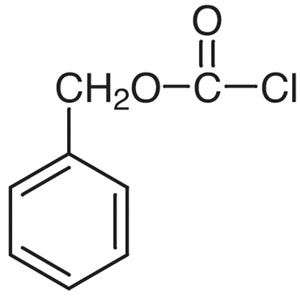
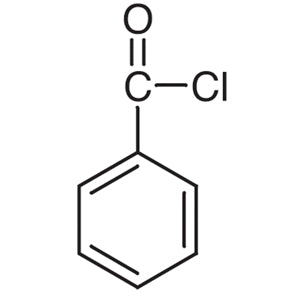
N-Succinimidyl Acetate (NSA) is a chemical compound widely used in laboratory settings for its role in chemical reactions and molecular synthesis. As a building block in chemistry, it is particularly valuable in the synthesis of ester and amide linkages. Its simple chemical structure allows it to act as a versatile reagent for activating hydroxyl or carboxyl groups on organic molecules. This makes it an essential tool in various biochemical and synthetic processes, especially in the development of complex organic compounds and functionalized molecules.
NSA is preferred due to its stable reactivity under controlled conditions, which facilitates efficient synthesis and modification of molecules. It is non-toxic and easy to handle, making it a safe and reliable choice for laboratory use. Its ability to form ester bonds with specific functional groups enhances its utility in both organic and bioorganic chemistry. These characteristics ensure that NSA remains a popular and effective reagent in chemical research and development.
In Indonesian laboratories, NSA is commonly used in a variety of research activities, including organic synthesis, protein modification, and drug development. Its availability in the local market supports local researchers in conducting experiments without the need for costly imports. This accessibility contributes to the advancement of scientific research in Indonesia, particularly in the fields of chemistry and biotechnology.
TCI brochures (PDF)
- Protecting Agents 2025-03-25 · p. 7
- Organic Synthesis: NSA is ideal for creating ester and amide bonds, making it essential for the synthesis of complex organic molecules.
- Protein Modification: It is used to activate hydroxyl and carboxyl groups on proteins, enabling site-specific modifications for functional studies.
- Drug Development: NSA plays a role in the synthesis of pharmaceutical compounds by facilitating the formation of key molecular linkages.
- Biochemical Research: Its reactivity with functional groups makes it a valuable tool in studying molecular interactions and reactions.
- Analytical Chemistry: It is used in the preparation of reactive intermediates for analytical procedures and structural analysis of compounds.
| Brand | TCI |
|---|---|
| CAS number | 14464-29-0 |
| Molecular formula | — |
| Purity | — |
| Category | Chemistry > Building Blocks > Non-Heterocyclic Building Blocks |
| Pack sizes | Available in various quantities as per standard laboratory supply |
| Physical form | Solid powder |
| Storage | Store in a cool, dry place away from moisture and direct sunlight |
NSA should be stored in a cool, dry environment to maintain its chemical stability and reactivity. It is recommended to keep it in a sealed container to prevent exposure to moisture and air, which could affect its performance. Due to its non-toxic nature, it is generally safe to handle, but standard laboratory precautions should still be observed, such as wearing gloves and safety goggles. It should be stored away from incompatible substances to avoid any potential chemical interactions. Proper labeling of storage containers is essential for safe handling and easy identification in the laboratory setting.
—
Produk Terkait
-
N-Succinimidyl3-Maleimidopropionate[Cross-linkingReagent] TCI S0427
Regular price From Rp 1.510.950,00Regular priceRp 1.072.050,00Sale price From Rp 1.510.950,00 -
Succinimide TCI S0108
Regular price From Rp 557.550,00Regular priceRp 405.300,00Sale price From Rp 557.550,00 -
N-(2-Propynyl)succinimide TCI P2191
Regular price From Rp 2.994.600,00Regular priceRp 2.109.450,00Sale price From Rp 2.994.600,00 -
p-Anisaldehyde TCI A0480
Regular price From Rp 530.250,00Regular priceRp 370.650,00Sale price From Rp 530.250,00 -
AcetylChloride TCI A0082
Regular price From Rp 848.400,00Regular priceRp 609.000,00Sale price From Rp 848.400,00 -
BenzylChloroformate TCI B3021
Regular price From Rp 689.850,00Regular priceRp 497.700,00Sale price From Rp 689.850,00 -
Benzaldehyde TCI B2379
Regular price Rp 743.400,00Regular priceRp 519.750,00Sale price Rp 743.400,00 -
BenzoylChloride TCI B0105
Regular price Rp 557.550,00Regular priceRp 405.300,00Sale price Rp 557.550,00