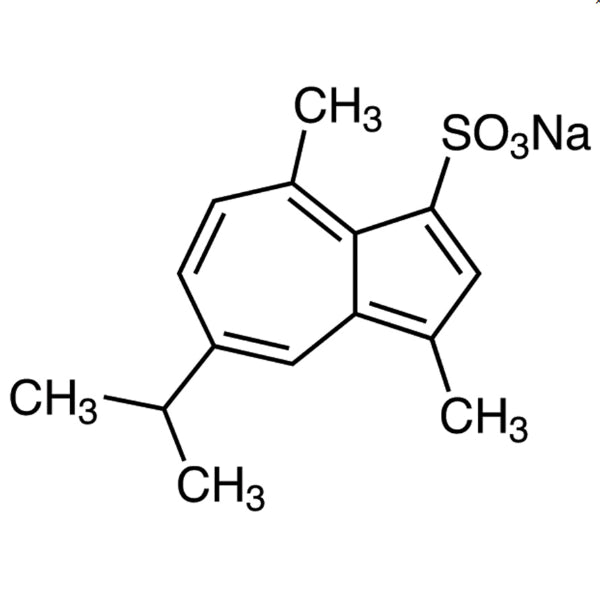
Sodium Gualenate is a chemical compound widely utilized in pharmaceutical research and biochemical experiments. It plays a crucial role in laboratories by enabling the study of biological effects of various compounds, particularly in pharmacological and toxicological testing. This reagent is essential for understanding how different substances interact with biological systems, making it a key component in drug development and bioanalytical research. Its stability and compatibility with organic solvents make it a reliable choice for a wide range of experimental applications.
One of the main reasons Sodium Gualenate is preferred in laboratory settings is its chemical stability and solubility in specific organic solvents such as ethyl acetate and acetone. These properties allow it to be easily incorporated into chemical reactions and synthesis processes. Additionally, its relatively low toxicity under controlled conditions makes it a safer option for use in research environments, provided it is handled appropriately. This combination of stability, solubility, and safety contributes to its popularity among researchers.
In Indonesian laboratories, Sodium Gualenate is commonly used in drug development, biological activity testing, and molecular interaction studies. Its availability in the local market supports scientific research by providing a reliable and accessible reagent. Researchers in Indonesia rely on Sodium Gualenate for its consistent performance and suitability for various experimental needs, making it a preferred choice in pharmaceutical and biochemical research.
TCI brochures (PDF)
- Pharmaceutical Ingredients for Research and Experimental Use 2026-03-09 · p. 34
- Pharmaceutical research and development where Sodium Gualenate is used to test the biological activity of new compounds and assess their potential therapeutic effects.
- Toxicological studies that require the evaluation of compound interactions with biological systems to determine safety profiles and potential side effects.
- Biochemical experiments involving the analysis of molecular interactions and the behavior of compounds in different physiological conditions.
- Drug formulation studies that need a stable and reliable reagent for the synthesis and testing of pharmaceutical products.
- Analytical chemistry applications where the compound is used as a standard for qualitative and quantitative analysis in laboratory settings.
| Brand | TCI |
|---|---|
| CAS number | 6223-35-4 |
| Molecular formula | — |
| Purity | — |
| Category | Life Science > Biochemicals and Reagents > Pharmaceutical Research Reagents |
| Pack sizes | Available in various quantities as per supplier specifications |
| Physical form | Solid or powder, depending on the specific product variant |
| Storage | Store in a cool, dry place away from direct sunlight and moisture |
Sodium Gualenate should be stored in a cool, dry environment to maintain its chemical stability and prevent degradation. It is recommended to keep the compound in airtight containers to minimize exposure to moisture and contaminants. Proper labeling of storage containers is essential for safe handling and easy identification. In laboratory settings, it is important to use appropriate personal protective equipment such as gloves and safety goggles when handling the compound. Regular monitoring of storage conditions ensures the reagent remains in optimal condition for use in experiments. Adherence to standard laboratory safety protocols is crucial to prevent any potential risks associated with its use.
—
Product Categories
- Biochemicals and ReagentsPharmaceutical Research Reagents (for Experimental Use)Anti-inflammatory Ingredients (for Research and Experimental Use)
- Pharmaceutical Development and Drug Discovery ResearchPharmaceutical Research Reagents (for Experimental Use)Anti-inflammatory Ingredients (for Research and Experimental Use)
Produk Terkait
-
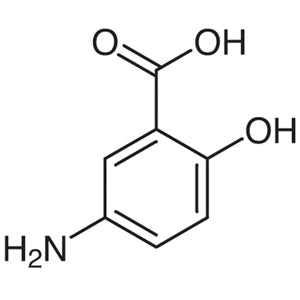
5-AminosalicylicAcid TCI A0317
Regular price From Rp 955.500,00Regular price -
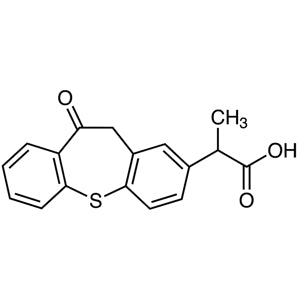
Zaltoprofen TCI Z0021
Regular price From Rp 1.326.150,00Regular price -
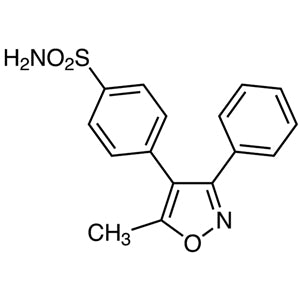
Valdecoxib TCI V0133
Regular price From Rp 2.862.300,00Regular price -
Suprofen TCI U0138
Regular price From Rp 4.506.600,00Regular price -
Tolmetin TCI T4087
Regular price From Rp 1.140.300,00Regular price -
TinoridineHydrochloride TCI T3630
Regular price From Rp 4.902.450,00Regular price -
TiaramideHydrochloride TCI T3176
Regular price From Rp 2.969.400,00Regular price -
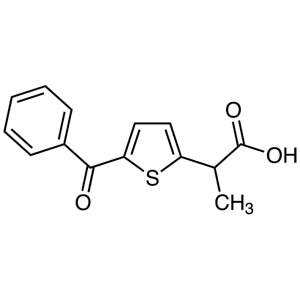
TiaprofenicAcid TCI T3175
Regular price From Rp 3.870.300,00Regular price