Bromal, with CAS number 115-17-3, is a chemical compound widely used in various laboratory reactions. As a fundamental building block in chemistry, it plays a crucial role in the synthesis of organic compounds, particularly in substitution and electrophilic reactions. Its versatility makes it an essential material for chemists engaged in research and development. Bromal is commonly used as a precursor in the production of other compounds with applications in pharmaceuticals, industrial processes, and scientific research. Its chemical stability allows it to be a reliable component in controlled chemical environments.
One of the key attributes that make Bromal a preferred choice is its chemical reactivity under specific conditions. It exhibits stability in normal conditions but becomes highly reactive when exposed to high temperatures or catalysts. This reactivity enables precise control in chemical reactions, making it ideal for applications requiring careful manipulation. Additionally, Bromal has relatively high boiling and melting points, which facilitate separation and heating processes in laboratory settings. These properties contribute to its widespread use in both academic and industrial laboratories.
In Indonesian laboratories, Bromal is a commonly used compound in chemical research and synthesis. It is particularly relevant in pure and applied chemistry studies, where it supports the development of new compounds and materials. Many research institutions and universities in Indonesia rely on Bromal for experiments involving organic synthesis. Its availability and reliability make it a popular choice among laboratory professionals.
- Organic synthesis experiments benefit from Bromal's role as a building block in creating complex molecules.
- Pharmaceutical research utilizes Bromal to develop new compounds with therapeutic applications.
- Industrial chemical processes incorporate Bromal as a precursor for producing functional materials.
- Analytical chemistry applications use Bromal for testing reaction mechanisms and chemical behavior.
- Teaching laboratories employ Bromal to demonstrate fundamental chemical reactions and synthesis techniques.
| Brand | TCI |
|---|---|
| CAS number | 115-17-3 |
| Molecular formula | — |
| Purity | — |
| Category | Chemistry > Building Blocks > Non-Heterocyclic Building Blocks |
| Pack sizes | Available in standard laboratory quantities |
| Physical form | Solid |
| Storage | Store in a cool, dry place away from light and incompatible materials |
Bromal should be stored in a cool, dry environment to maintain its chemical stability. It is recommended to keep it in a sealed container to prevent exposure to moisture and air. Due to its reactivity under certain conditions, it should be stored away from strong oxidizers and incompatible substances. Laboratory personnel should handle Bromal with appropriate personal protective equipment, including gloves and safety goggles. Proper ventilation is essential when working with this compound to minimize inhalation risks. Regular monitoring of storage conditions ensures the material remains safe and effective for use in laboratory applications.
—
Produk Terkait
-
TCI B5774 5,10-Bis(4,4,5,5-tetramethyl-1,3,2-dioxaborolan-2-yl)naphtho[1,2-c:5,6-c']bis([1,2,5]oxadiazole)
Regular price Rp 10.307.850,00Regular priceRp 7.224.000,00Sale price Rp 10.307.850,00 -
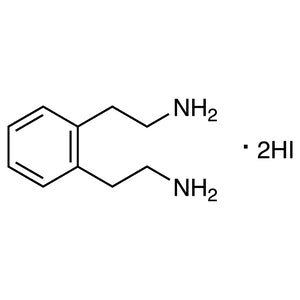
Dihydroiodide TCI B6569
Regular price From Rp 1.988.700,00Regular priceRp 1.405.950,00Sale price From Rp 1.988.700,00 -
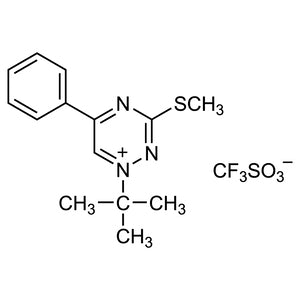
Trifluoromethanesulfonate TCI B7003
Regular price From Rp 1.988.700,00Regular priceRp 1.405.950,00Sale price From Rp 1.988.700,00