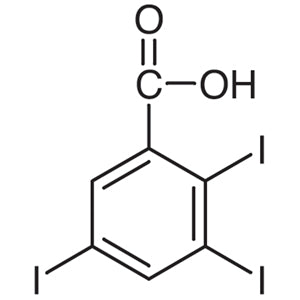
2,3,5-Triiodobenzoic Acid is a chemical compound widely used in various laboratory reactions and analytical processes. It is a benzoic acid derivative with three iodine atoms attached at the 2, 3, and 5 positions of the benzene ring. This compound plays a crucial role in organic chemistry, particularly in the synthesis of complex molecules and as a reagent in electrophilic substitution reactions. Its presence in laboratory settings ensures the availability of a versatile building block for chemical experimentation.
The compound is valued for its stable chemical properties and controlled reactivity, making it a preferred choice for researchers and students. Its unique chemical properties include acidity and the ability to form bonds with various functional groups. The iodine atoms on its molecular structure enhance its reactivity while maintaining a level of predictability. This combination of stability and reactivity allows it to be used in a wide range of chemical applications. Additionally, its good solubility in organic solvents facilitates ease of use in various experimental procedures.
In Indonesian laboratories, 2,3,5-Triiodobenzoic Acid is commonly used by researchers and students in organic chemistry and analytical fields. It is a key component in the development of new chemical compounds and in the execution of precise analytical tests. Its versatility and reliability make it an essential material for both academic and industrial research activities in the region.
Advantages (TCI brochure)
- Inhibited Dansylamide (site I) and Dansylglycine/BD140 (site II) binding in brochure testing
TCI brochures (PDF)
- Fluorescent Probes for the Characterization of Two Specific Drug Binding Sites on HSA 2025-04-01 · p. 4
- Iodinated Phenol/Benzoic Acid/Benzaldehyde Building Blocks 2024-11-15 · p. 2
- Plant Hormones 2025-01-30 · p. 1
- Agrochemical Ingredients for Research and Experimental Use 2026-01-08 · p. 7
- Plant Research Reagents 2026-02-24 · p. 13
- Reagents for Biological Research 2025-03-11 · p. 55
- Organic synthesis applications benefit from this compound due to its reactivity and ability to participate in electrophilic substitution reactions.
- Analytical chemistry uses it as a standard for quantitative analysis and as a reagent in chromatographic methods.
- It is suitable for the preparation of iodinated derivatives, which are important in pharmaceutical and agrochemical research.
- In teaching laboratories, it is used to demonstrate electrophilic substitution and acid-base reactions.
- It supports the development of new materials through its role in polymer synthesis and functional group modification.
From the TCI brochure
- Site I and II drug in HSA binding assay
| Brand | TCI |
|---|---|
| CAS number | 88-82-4 |
| Molecular formula | — |
| Purity | — |
| Category | Chemistry > Building Blocks > Non-Heterocyclic Building Blocks |
| Pack sizes | Available in various quantities as per supplier specifications |
| Physical form | Solid |
| Storage | Store in a cool, dry place away from light and moisture |
This compound should be stored in a cool, dry place, away from direct light and moisture to maintain its chemical integrity. It is recommended to use airtight containers to prevent exposure to air and humidity. Due to its reactivity, it should be handled with care, using appropriate personal protective equipment such as gloves and safety goggles. It is not flammable but may cause irritation if inhaled or contacted with skin. Proper ventilation is advised when working with this material. Storage conditions should ensure that it remains stable and safe for use in laboratory environments.
References cited in the TCI brochure
- Jamie Ghuman. Structural Basis of the Drug-binding Specificity of Human Serum Albumin Journal of Molecular Biology, 2005. doi:10.1016/j.jmb.2005.07.075
- Masaki OTAGIRI. Study on Binding of Drug to Serum Protein YAKUGAKU ZASSHI, 2009. doi:10.1248/yakushi.129.413
Produk Terkait
-
5-Bromo-2-iodobenzoicAcid TCI B4296
Regular price Rp 1.696.800,00Regular price -
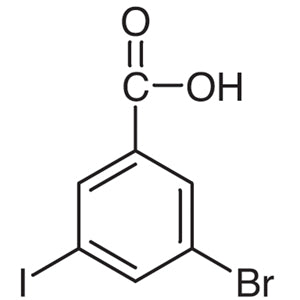
3-Bromo-5-iodobenzoicAcid TCI B1807
Regular price From Rp 1.273.650,00Regular price -
4-IodobenzoicAcid TCI I0054
Regular price From Rp 505.050,00Regular price -
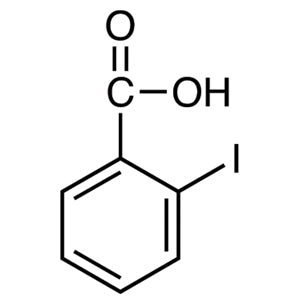
2-IodobenzoicAcid TCI I0053
Regular price From Rp 980.700,00Regular price -
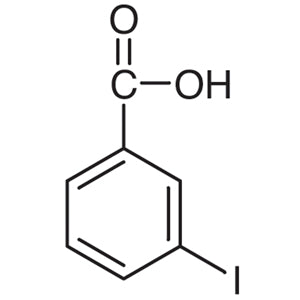
3-IodobenzoicAcid TCI I0052
Regular price From Rp 875.700,00Regular price -
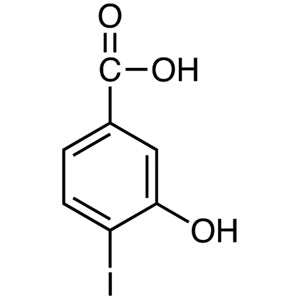
3-Hydroxy-4-iodobenzoicAcid TCI H1496
Regular price From Rp 848.400,00Regular price -
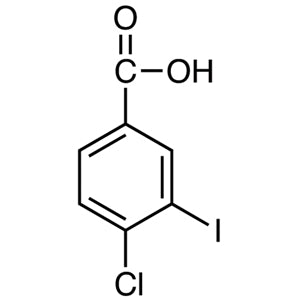
4-Chloro-3-iodobenzoicAcid TCI C3484
Regular price From Rp 530.250,00Regular price -
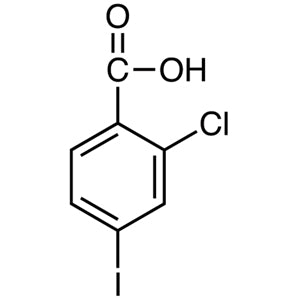
2-Chloro-4-iodobenzoicAcid TCI C3281
Regular price From Rp 1.060.500,00Regular price