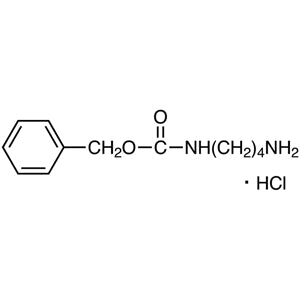
N,N,N',N'-Tetramethyl-1,3-diaminobutane is a highly reactive organic compound widely used in laboratory settings as a building block for the synthesis of complex organic molecules. This compound features two amine groups attached to a butane backbone, making it a versatile reagent in various chemical reactions. Its role in the laboratory is critical for researchers aiming to create custom molecules with specific structural properties. Due to its reactivity, it is often employed in amidation, condensation, and nitrogen bond formation reactions.
The compound’s unique molecular structure and reactivity make it a preferred choice for synthetic chemists. Its ability to act as both an electron donor and a binding agent in chemical reactions enhances its utility across multiple applications. The molecule’s stability under controlled conditions allows for consistent performance in laboratory experiments. However, its high reactivity necessitates careful handling to ensure safety and efficiency in chemical processes.
In Indonesian laboratories, N,N,N',N'-Tetramethyl-1,3-diaminobutane is commonly used in organic chemistry research, particularly in pharmaceutical and material science applications. It is a key component in the development of new compounds with potential applications in healthcare and industrial materials. Researchers in universities and research institutions rely on this compound to advance their experimental work and explore novel chemical structures.
Related TCI products
- TCI D5686 916849-52-0 1,4-Diaminobutane Dihydroiodide
- TCI D5685 18773-04-1 1,4-Diaminobutane Dihydrobromide
- TCI D0239 110-60-1 1,4-Diaminobutane
- TCI D0081 333-93-7 1,4-Diaminobutane Dihydrochloride
- TCI C1519 18807-73-3 N-Carbobenzoxy-1,4-diaminobutane Hydrochloride
- TCI T1289 111-51-3 N,N,N',N'-Tetramethyl-1,4-diaminobutane
- Organic synthesis is a primary application where this compound serves as a versatile building block for creating complex molecular structures.
- Pharmaceutical research benefits from its reactivity in synthesizing drug molecules with specific functional groups.
- Material science applications utilize its ability to form stable nitrogen bonds in polymer and composite development.
- Chemical reaction optimization relies on its role as a reactive intermediate in amidation and condensation processes.
- Analytical chemistry experiments use it as a standard reference in testing reactivity and molecular interactions.
| Brand | TCI |
|---|---|
| CAS number | 97-84-7 |
| Molecular formula | — |
| Purity | — |
| Category | Chemistry > Building Blocks > Non-Heterocyclic Building Blocks |
| Pack sizes | Available in various quantities as per standard laboratory supply |
| Physical form | Liquid |
| Storage | Store in a cool, dry place away from direct sunlight and incompatible materials |
This compound should be stored in a cool, dry environment, away from direct sunlight and sources of heat. It is recommended to use sealed containers made of materials compatible with organic solvents to prevent contamination and evaporation. Due to its high reactivity, it should be handled in a well-ventilated area, preferably under a fume hood, to minimize exposure. Always wear appropriate personal protective equipment, including gloves and safety goggles, when handling this material. Ensure that it is kept separate from strong oxidizing agents and acids to avoid unintended chemical reactions. Proper storage and handling are essential to maintain its chemical integrity and ensure safe laboratory practices.
—
Produk Terkait
-
1,4-DiaminobutaneDihydroiodide TCI D5686
Regular price From Rp 928.200,00Regular priceRp 648.900,00Sale price From Rp 928.200,00 -
1,4-DiaminobutaneDihydrobromide TCI D5685
Regular price From Rp 928.200,00Regular priceRp 648.900,00Sale price From Rp 928.200,00 -
1,4-Diaminobutane TCI D0239
Regular price From Rp 505.050,00Regular priceRp 352.800,00Sale price From Rp 505.050,00 -
1,4-DiaminobutaneDihydrochloride TCI D0081
Regular price From Rp 1.538.250,00Regular priceRp 1.075.200,00Sale price From Rp 1.538.250,00 -
N-Carbobenzoxy-1,4-diaminobutaneHydrochloride TCI C1519
Regular price From Rp 2.623.950,00Regular priceRp 1.850.100,00Sale price From Rp 2.623.950,00 -
N,N,N',N'-Tetramethyl-1,4-diaminobutane TCI T1289
Regular price Rp 3.630.900,00Regular priceRp 2.538.900,00Sale price Rp 3.630.900,00 -
alpha,alpha,alpha',alpha'-Tetramethyl-1,3-benzenedipropionitrile TCI T3421
Regular price Rp 2.518.950,00Regular priceRp 1.776.600,00Sale price Rp 2.518.950,00 -
2,2,4,4-Tetramethyl-3-pentanoneImine TCI T2989
Regular price From Rp 1.590.750,00Regular priceRp 1.127.700,00Sale price From Rp 1.590.750,00