Tetrabutylammonium Perchlorate (TBA Perchlorate) is a chemical compound widely used in laboratory settings for its versatile applications in chemical reactions and synthesis processes. As a synthetic reagent, it plays a crucial role in oxidation reactions and electrochemical processes due to its ability to act as a stable source of perchlorate ions. This compound is particularly valuable in laboratory environments where controlled and predictable chemical behavior is essential. Its ionic structure allows it to participate effectively in various synthetic pathways, making it a reliable choice for researchers and chemists.
The properties of TBA Perchlorate that make it a preferred choice include its high stability under normal conditions and its solubility in water, which facilitates its use in aqueous solutions. It is also resistant to decomposition, ensuring consistent performance across different experimental setups. These characteristics make it ideal for applications requiring long-term stability and minimal risk of unexpected reactions. Additionally, its ability to form stable solutions enhances its utility in a variety of chemical processes, including catalytic reactions and buffer preparation.
In Indonesian laboratories, TBA Perchlorate is commonly used in organic synthesis, chemical analysis, and oxidation studies. Its reliability and consistent performance make it a go-to reagent for both academic and industrial research. The compound's broad applicability and stability ensure that it remains a key component in various chemical investigations, supporting the advancement of scientific research in the region.
TCI brochures (PDF)
- Molecular Conductors 2025-11-13 · p. 5
- Oxidizing Agents 2025-06-11 · p. 6
- Quaternary Ammonium Salts 2025-11-10 · p. 8
Related TCI products
- TCI T2648 429-42-5 Tetrabutylammonium Tetrafluoroborate
- TCI T1271 13311-45-0 Tetrabutylammonium Triiodide
- TCI T0914 429-42-5 Tetrabutylammonium Tetrafluoroborate
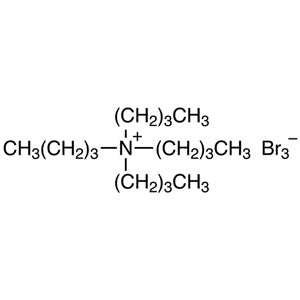
- TCI T1284 38932-80-8 Tetrabutylammonium Tribromide
- TCI T1279 3109-63-5 Tetrabutylammonium Hexafluorophosphate
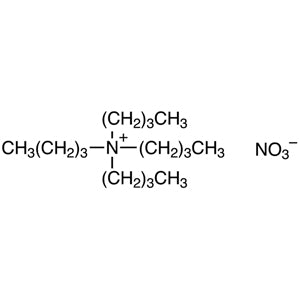
- TCI T3651 1941-27-1 Tetrabutylammonium Nitrate
- Organic synthesis reactions benefit from TBA Perchlorate's ability to act as a stable oxidizing agent, facilitating controlled oxidation of organic compounds without unwanted side reactions.
- Electrochemical experiments utilize TBA Perchlorate as a reliable source of perchlorate ions, ensuring consistent and reproducible results in electrochemical cell setups.
- Buffer preparation in analytical chemistry relies on TBA Perchlorate's solubility and stability, allowing for the creation of precise and stable buffer solutions.
- Catalytic processes in chemical reactions take advantage of TBA Perchlorate's ionic structure, which enhances reaction efficiency and selectivity in synthetic pathways.
- Oxidation studies in research laboratories use TBA Perchlorate as a non-toxic and stable alternative to other oxidizing agents, supporting safe and effective experimental protocols.
| Brand | TCI |
|---|---|
| CAS number | 1923-70-2 |
| Molecular formula | — |
| Purity | — |
| Category | Chemistry > Synthetic Reagents > Oxidation [Synthetic Reagents] |
| Pack sizes | Available in various sizes as per standard supplier offerings |
| Physical form | Solid powder |
| Storage | Store in a cool, dry place away from moisture and incompatible materials |
Tetrabutylammonium Perchlorate should be stored in a cool, dry environment to maintain its stability and prevent degradation. It is recommended to keep the compound in airtight containers to minimize exposure to moisture and air, which could affect its chemical integrity. Due to its ionic nature, it is important to avoid contact with reactive materials that may cause unintended chemical reactions. In laboratory settings, proper labeling and storage practices are essential to ensure safety and prevent cross-contamination. Always handle the compound with appropriate personal protective equipment to safeguard against potential exposure.
—
Product Categories
Produk Terkait
-
TetrabutylammoniumTetrafluoroborate TCI T2648
Regular price Rp 2.809.800,00Regular priceRp 1.980.300,00Sale price Rp 2.809.800,00 -
TetrabutylammoniumTriiodide TCI T1271
Regular price From Rp 1.670.550,00Regular priceRp 1.183.350,00Sale price From Rp 1.670.550,00 -
TetrabutylammoniumTetrafluoroborate TCI T0914
Regular price From Rp 1.590.750,00Regular priceRp 1.127.700,00Sale price From Rp 1.590.750,00 -
TetrabutylammoniumTribromide TCI T1284
Regular price From Rp 1.008.000,00Regular priceRp 720.300,00Sale price From Rp 1.008.000,00 -
TetrabutylammoniumHexafluorophosphate TCI T1279
Regular price From Rp 1.087.800,00Regular priceRp 775.950,00Sale price From Rp 1.087.800,00 -
TetrabutylammoniumNitrate TCI T3651
Regular price From Rp 1.060.500,00Regular priceRp 757.050,00Sale price From Rp 1.060.500,00 -
Tetrabutylammoniump-Toluenesulfonate TCI T3660
Regular price From Rp 1.405.950,00Regular priceRp 998.550,00Sale price From Rp 1.405.950,00 -
TetrabutylammoniumAcetate TCI T2694
Regular price From Rp 822.150,00Regular priceRp 590.100,00Sale price From Rp 822.150,00