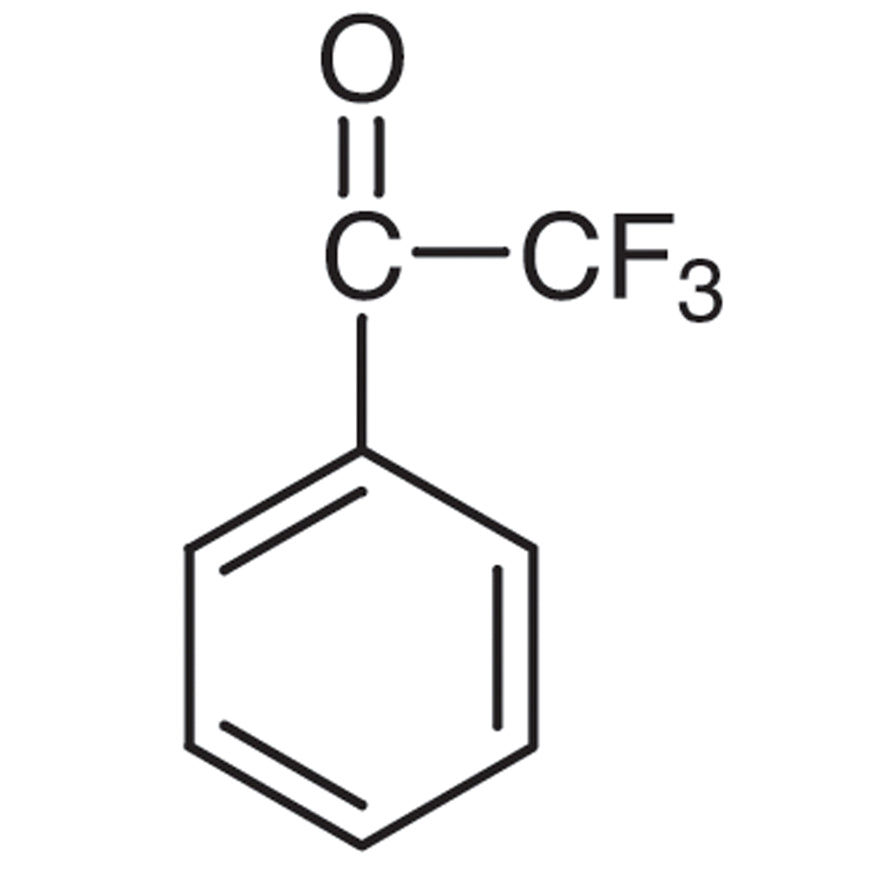
2,2,2-Trifluoroacetophenone is a chemical compound widely used in organic reactions, particularly in the synthesis of fluorinated compounds. As a fluorinated building block, it plays a crucial role in the development of complex molecular structures in laboratory settings. Its unique chemical properties make it a valuable reagent for various synthetic pathways, including substitution and reduction reactions. This compound is highly reactive yet maintains a stable molecular structure, allowing it to be a versatile tool in chemical synthesis.
One of the key attributes of 2,2,2-Trifluoroacetophenone is its high reactivity, which makes it ideal for reactions requiring strong chemical activity. The presence of fluorine atoms enhances its stability against oxidation and reduction processes, contributing to its reliability in synthetic applications. Additionally, its fluorinated nature provides unique chemical behavior, making it suitable for specialized reactions in both academic and industrial research. These properties ensure its consistent performance in laboratory experiments.
In Indonesian laboratories, 2,2,2-Trifluoroacetophenone is commonly used in organic chemistry research, especially in studies involving fluorinated compounds. It is a preferred choice for researchers aiming to develop new materials, pharmaceuticals, or industrial chemicals. Its availability and chemical versatility make it a standard component in many research projects conducted by educational institutions and research organizations across Indonesia.
TCI brochures (PDF)
- Fluorination Reagents, Fluorinated Building Blocks 2026-03-18 · p. 37
Related TCI products
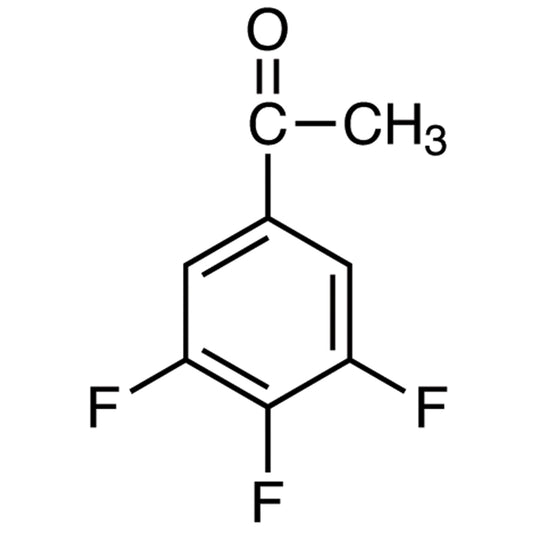
- TCI T3825 220141-73-1 3',4',5'-Trifluoroacetophenone
- TCI T3425 243448-15-9 2',3',4'-Trifluoroacetophenone
- TCI T2758 129322-83-4 2',4',5'-Trifluoroacetophenone
- TCI T2733 51788-77-3 2',4',6'-Trifluoroacetophenone
- TCI D5113 130336-16-2 3',5'-Dichloro-2,2,2-trifluoroacetophenone
- TCI C1738 321-37-9 4'-Chloro-2,2,2-trifluoroacetophenone
- Fluorinated Compound Synthesis: This compound is ideal for creating fluorinated molecules due to its reactivity and stability, supporting the development of pharmaceuticals and specialty chemicals.
- Organic Reaction Research: It is frequently used in substitution and reduction reactions, offering reliable results in synthetic pathways for complex molecule construction.
- Pharmaceutical Development: Its fluorinated structure is valuable in drug synthesis, contributing to the design of compounds with specific biological activities.
- Industrial Chemical Production: It supports the creation of specialty chemicals used in various industries, including agriculture and materials science.
- Academic Research: Widely utilized in Indonesian universities and research centers for teaching and experimental studies in organic chemistry.
| Brand | TCI |
|---|---|
| CAS number | 434-45-7 |
| Molecular formula | — |
| Purity | — |
| Category | Chemistry > Building Blocks > Fluorinated Building Blocks |
| Pack sizes | Available in standard laboratory quantities |
| Physical form | Liquid |
| Storage | Store in a cool, dry place away from light and incompatible materials |
This compound should be stored in a cool, dry environment, away from direct sunlight and sources of heat. It is recommended to use airtight containers made of materials that are chemically inert, such as glass or high-density polyethylene. Due to its reactivity, it should be handled with care, using appropriate personal protective equipment like gloves and safety goggles. Avoid contact with incompatible substances such as strong bases or oxidizing agents. Ensure proper ventilation in the workspace to minimize exposure to vapors. Regular monitoring of storage conditions is essential to maintain the compound's stability and effectiveness in laboratory applications.
—
Produk Terkait
-
3',4',5'-Trifluoroacetophenone TCI T3825
Regular price From Rp 1.458.450,00Regular priceRp 1.035.300,00Sale price From Rp 1.458.450,00 -
2',3',4'-Trifluoroacetophenone TCI T3425
Regular price Rp 1.405.950,00Regular priceRp 998.550,00Sale price Rp 1.405.950,00 -
2',4',5'-Trifluoroacetophenone TCI T2758
Regular price From Rp 1.272.600,00Regular priceRp 905.100,00Sale price From Rp 1.272.600,00 -
2',4',6'-Trifluoroacetophenone TCI T2733
Regular price From Rp 2.068.500,00Regular priceRp 1.461.600,00Sale price From Rp 2.068.500,00 -
3',5'-Dichloro-2,2,2-trifluoroacetophenone TCI D5113
Regular price From Rp 1.167.600,00Regular priceRp 831.600,00Sale price From Rp 1.167.600,00 -
4'-Chloro-2,2,2-trifluoroacetophenone TCI C1738
Regular price From Rp 980.700,00Regular priceRp 701.400,00Sale price From Rp 980.700,00