2,3,5,6-Tetrafluorophenol is a chemical compound with a phenol structure featuring four fluorine atoms at positions 2, 3, 5, and 6. This compound plays a crucial role in laboratory settings as a building block for the synthesis of organofluorine compounds. Its presence in various research fields, including pharmaceuticals, materials science, and organic chemistry, highlights its importance in developing compounds with unique chemical properties. Due to its fluorinated structure, it is widely used in synthetic pathways where controlled reactivity and stability are required.
The compound’s high electronegativity and polarity make it a preferred choice in chemical reactions, particularly substitution and electrophilic reactions. Its chemical stability against oxidation and hydrolysis ensures longer shelf life and improved efficiency in synthesis processes. These properties make it a reliable and versatile reagent for chemists seeking to create compounds with enhanced functional properties. The presence of fluorine atoms also contributes to the compound’s reactivity and selectivity in various synthetic applications.
In Indonesian laboratories, 2,3,5,6-Tetrafluorophenol is commonly used in organic chemistry research, especially in the development of pharmaceutical compounds and industrial chemicals. Its availability and ease of use make it a popular choice among researchers. The compound’s role in creating stable and reactive molecules supports its widespread application in both academic and industrial research settings.
TCI brochures (PDF)
- Fluorination Reagents, Fluorinated Building Blocks 2026-03-18 · p. 34
- Organic synthesis applications benefit from its fluorinated structure, enabling the creation of stable and reactive compounds with tailored properties.
- Pharmaceutical research utilizes this compound to develop drug molecules with enhanced bioavailability and metabolic stability.
- Material science applications leverage its chemical stability and polarity for the synthesis of advanced polymers and coatings.
- Analytical chemistry uses it as a reference standard for identifying and quantifying fluorinated compounds in complex mixtures.
- Industrial chemical production relies on its reactivity and selectivity for the synthesis of specialty chemicals and intermediates.
| Brand | TCI |
|---|---|
| CAS number | 769-39-1 |
| Molecular formula | — |
| Purity | — |
| Category | Chemistry > Building Blocks > Fluorinated Building Blocks |
| Pack sizes | Available in various quantities as per standard laboratory supply specifications |
| Physical form | Solid crystalline powder |
| Storage | Store in a cool, dry place away from light and moisture |
This compound should be stored in a cool, dry environment, away from direct light and moisture to maintain its chemical integrity. It is recommended to use airtight containers made of materials such as glass or polyethylene to prevent exposure to air and moisture. Due to its fluorinated nature, it is important to handle it with care, using appropriate personal protective equipment such as gloves and safety goggles. Avoid contact with incompatible substances, and ensure proper ventilation in the laboratory. Regular monitoring of storage conditions will help maintain the compound’s stability and effectiveness for research applications.
—
Produk Terkait
-
TCI B5774 5,10-Bis(4,4,5,5-tetramethyl-1,3,2-dioxaborolan-2-yl)naphtho[1,2-c:5,6-c']bis([1,2,5]oxadiazole)
Regular price Rp 10.307.850,00Regular priceRp 7.224.000,00Sale price Rp 10.307.850,00 -
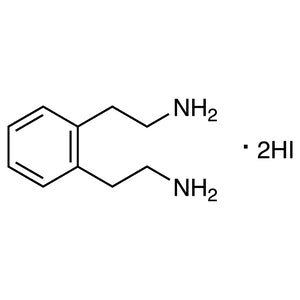
Dihydroiodide TCI B6569
Regular price From Rp 1.988.700,00Regular priceRp 1.405.950,00Sale price From Rp 1.988.700,00 -
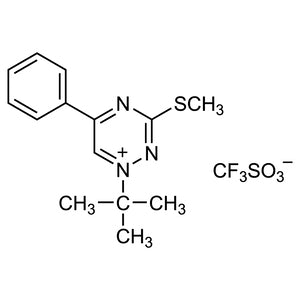
Trifluoromethanesulfonate TCI B7003
Regular price From Rp 1.988.700,00Regular priceRp 1.405.950,00Sale price From Rp 1.988.700,00