TCI A0108 N-Acetylphthalimide (CAS 1971-49-9) is an organic compound belonging to the N-acyl imide class: a phthalimide derivative whose nitrogen atom carries an acetyl group. In the laboratory it is classed as a non-heterocyclic building block, meaning it serves as a starting material or intermediate reagent in the construction of more complex molecules. Its most common association is with acetyl-group transfer and the synthesis of nitrogen-containing derivatives, which is why synthetic organic chemists often consider it.
The structural feature that makes this compound attractive is the bond between the imide nitrogen and the acyl group. A bond of this kind is generally more reactive than that of an ordinary amide, so compounds of this type are often used as a relatively controlled source of acetyl groups. The rigid, aromatic phthalimide framework also contributes structural stability and makes reactions easy to follow by thin-layer chromatography or spectroscopy. This makes the material well suited to stepwise synthetic routes that call for a well-defined reagent.
For laboratories in Indonesia, from university organic chemistry laboratories and research centers to development laboratories in industry, this reagent fits routine synthetic and research work. It is supplied under the TCI brand through AMI Scientific, so users can select it for method development, teaching syntheses and exploratory projects that need a defined acetyl-transfer reagent. Its place within the non-heterocyclic building block range makes it a practical addition to a laboratory's reagent inventory.
- Acetyl group transfer: the N-acyl imide bond is generally more reactive than a standard amide, so this compound can serve as a relatively controlled source of acetyl groups in synthetic reactions.
- Synthesis of nitrogen derivatives: as a phthalimide derivative, it suits researchers building nitrogen-containing target molecules, where the imide framework gives a defined and well-characterized starting point.
- Building block for multistep synthesis: as a non-heterocyclic building block, it works as a starting material or intermediate reagent when more complex molecules are assembled step by step in the laboratory.
- Reaction monitoring studies: the rigid aromatic phthalimide skeleton makes progress easy to follow by thin-layer chromatography and spectroscopy, which helps when optimizing and checking each synthetic step.
- Teaching and training in organic synthesis: the compound illustrates imide reactivity and acyl transfer clearly, so university laboratories can use it to demonstrate these concepts in practical synthetic exercises.
| Brand | TCI |
|---|---|
| CAS number | 1971-49-9 |
| Molecular formula | — |
| Purity | — |
| Category | Chemistry > Building Blocks > Non-Heterocyclic Building Blocks |
| Pack sizes | please refer to the product listing or consult AMI Scientific for available sizes |
| Physical form | please refer to the supplier's label and safety data sheet |
| Storage | — |
- Product code: A0108
Store the product in its original, tightly closed container in a cool, dry, well-ventilated place, away from moisture, heat and incompatible materials. Because N-acyl imides can be sensitive to water, keep the container sealed whenever it is not in use. Follow the storage instructions on the supplier's label and safety data sheet. Use standard laboratory precautions: wear gloves, safety glasses and a lab coat, and handle the material in a fume hood or well-ventilated area to avoid inhaling dust. Avoid contact with skin and eyes, and wash hands after handling. Dispose of waste according to institutional and local regulations.
—
Produk Terkait
-
N-(4-Bromophenyl)phthalimide TCI B2707
Regular price From Rp 2.782.500,00Regular priceRp 1.961.400,00Sale price From Rp 2.782.500,00 -
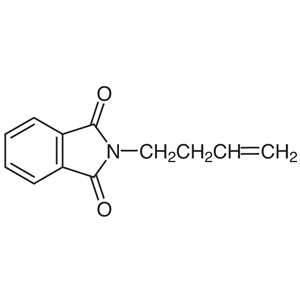
N-(3-Buten-1-yl)phthalimide TCI B1881
Regular price Rp 7.949.550,00Regular priceRp 5.574.450,00Sale price Rp 7.949.550,00 -
PhthalimidePotassiumSalt TCI P0403
Regular price From Rp 610.050,00Regular priceRp 442.050,00Sale price From Rp 610.050,00 -
Phthalimide TCI P0402
Regular price From Rp 582.750,00Regular priceRp 423.150,00Sale price From Rp 582.750,00 -
N-(2-Hydroxyethyl)phthalimide TCI H0245
Regular price From Rp 742.350,00Regular priceRp 534.450,00Sale price From Rp 742.350,00 -
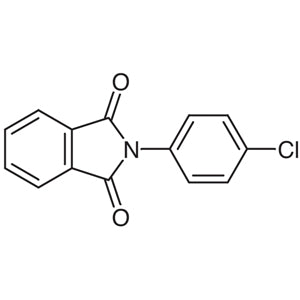
N-(4-Chlorophenyl)phthalimide TCI C1958
Regular price From Rp 1.431.150,00Regular priceRp 1.016.400,00Sale price From Rp 1.431.150,00 -
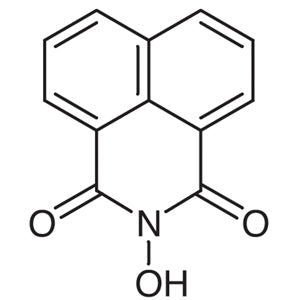
N-Hydroxy-1,8-naphthalimide TCI H1040
Regular price From Rp 980.700,00Regular priceRp 701.400,00Sale price From Rp 980.700,00 -
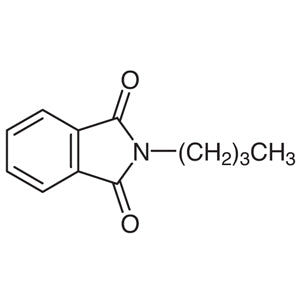
N-Butylphthalimide TCI B0736
Regular price Rp 1.351.350,00Regular priceRp 960.750,00Sale price Rp 1.351.350,00