2-Amino-5-nitrothiazole is a chemical compound widely used as a building block in the synthesis of complex heterocyclic compounds. It plays a crucial role in organic chemistry laboratories, where it serves as a versatile intermediate for the development of pharmaceuticals, pesticides, and industrial chemicals. Its unique molecular structure, featuring a thiazole ring with amino and nitro groups, makes it an essential component in various synthetic pathways. This compound is particularly valued for its ability to participate in multiple reaction types, including substitution and ring-opening reactions, which are fundamental to the creation of bioactive molecules.
The stability of its chemical structure and controlled reactivity make 2-Amino-5-nitrothiazole a preferred choice for researchers. It exhibits compatibility with a range of reagents, including acids, bases, and organic solvents, allowing for flexible synthetic strategies. Its inert nature under normal conditions ensures safe handling in laboratory environments, reducing the risk of unintended side reactions. These properties contribute to its reliability and effectiveness in both academic and industrial research settings.
In Indonesian laboratories, 2-Amino-5-nitrothiazole is extensively used in organic chemistry research, particularly in pharmacology and the synthesis of active compounds. It is a common reagent in university laboratories and research institutions, supporting studies aimed at developing new drugs and agrochemicals. Its availability and chemical versatility make it a staple in the chemical supply chain for Indonesian scientists working in diverse fields of chemistry.
Related TCI products
- TCI A0689 140-40-9 2-Acetamido-5-nitrothiazole
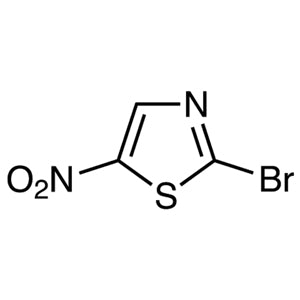
- TCI B4413 3034-48-8 2-Bromo-5-nitrothiazole
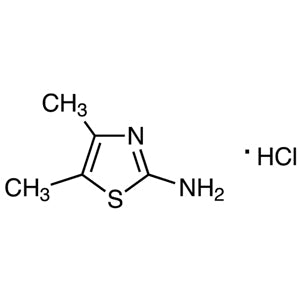
- TCI A0292 71574-33-9 2-Amino-4,5-dimethylthiazole Hydrochloride
- TCI A0336 6142-15-0 2-Amino-4-methylthiazole Hydrochloride
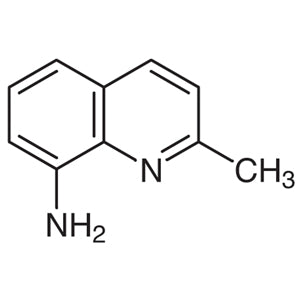
- TCI A0416 18978-78-4 8-Amino-2-methylquinoline
- TCI A0425 2349-67-9 2-Amino-5-mercapto-1,3,4-thiadiazole
- Pharmaceutical research utilizes 2-Amino-5-nitrothiazole for synthesizing bioactive compounds due to its structural versatility and reactivity in organic synthesis.
- Pesticide development benefits from this compound as it can be modified to create compounds with specific biological activities against pests and pathogens.
- Industrial chemical synthesis relies on this compound for the production of various intermediates used in manufacturing processes.
- Organic chemistry education incorporates this compound as a key building block for teaching synthetic methods and reaction mechanisms.
- Drug discovery programs use 2-Amino-5-nitrothiazole to explore new molecular scaffolds with potential therapeutic applications.
| Brand | TCI |
|---|---|
| CAS number | 121-66-4 |
| Molecular formula | — |
| Purity | — |
| Category | Chemistry > Building Blocks > Heterocyclic Building Blocks |
| Pack sizes | Available in various quantities as per standard laboratory supply |
| Physical form | Solid |
| Storage | Store in a cool, dry place away from direct sunlight and moisture |
2-Amino-5-nitrothiazole should be stored in a cool, dry environment to maintain its chemical stability. It is recommended to keep the compound in airtight containers to prevent exposure to moisture and air, which could affect its reactivity. Suitable storage containers include glass or polyethylene bottles with secure lids. In laboratory settings, it is important to handle the compound with appropriate personal protective equipment, such as gloves and safety goggles, to ensure safe handling. Due to its controlled reactivity, it is generally safe to use under standard laboratory conditions, provided proper safety protocols are followed. Regular monitoring of storage conditions ensures the compound remains in optimal condition for use in research applications.
—
Produk Terkait
-
2-Acetamido-5-nitrothiazole TCI A0689
Regular price From Rp 1.113.000,00Regular priceRp 793.800,00Sale price From Rp 1.113.000,00 -
2-Bromo-5-nitrothiazole TCI B4413
Regular price From Rp 769.650,00Regular priceRp 553.350,00Sale price From Rp 769.650,00 -
2-Amino-4,5-dimethylthiazoleHydrochloride TCI A0292
Regular price From Rp 557.550,00Regular priceRp 405.300,00Sale price From Rp 557.550,00 -
2-Amino-4-methylthiazoleHydrochloride TCI A0336
Regular price From Rp 1.378.650,00Regular priceRp 979.650,00Sale price From Rp 1.378.650,00 -
8-Amino-2-methylquinoline TCI A0416
Regular price From Rp 1.326.150,00Regular priceRp 942.900,00Sale price From Rp 1.326.150,00 -
2-Amino-5-mercapto-1,3,4-thiadiazole TCI A0425
Regular price From Rp 822.150,00Regular priceRp 590.100,00Sale price From Rp 822.150,00 -
5-Amino-1H-tetrazole TCI A0427
Regular price From Rp 1.829.100,00Regular priceRp 1.294.650,00Sale price From Rp 1.829.100,00 -
5-Amino-1-phenylpyrazole TCI A0174
Regular price From Rp 4.425.750,00Regular priceRp 3.110.100,00Sale price From Rp 4.425.750,00