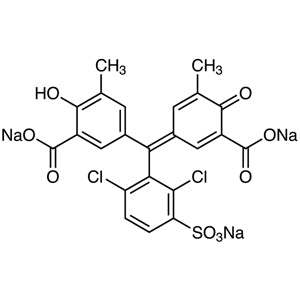
Mordant Blue 13, with the CAS number 1058-92-0, is a chemical dye widely used in laboratory settings for its ability to bind to organic materials through chemical interactions. As a mordant dye, it plays a crucial role in staining and identifying various substances during experimental processes. Its application is particularly important in qualitative analysis, where it helps in distinguishing between different compounds. This dye is commonly used in research to support analytical procedures and enhance the accuracy of experimental outcomes.
The chemical properties of Mordant Blue 13 make it a preferred choice for laboratory use. It exhibits stability and reactivity, allowing it to form strong bonds with proteins, acids, and other organic compounds. Its clear blue color and resistance to fading under certain conditions ensure consistent results in experiments. Additionally, its non-toxic nature in normal conditions contributes to its safety profile, making it suitable for use in laboratory environments. These characteristics collectively make it a reliable and effective tool for scientific investigations.
In Indonesian laboratories, Mordant Blue 13 is extensively utilized across various research fields, including chemistry, biology, and environmental science. It is particularly valuable in experiments requiring stable and reliable coloration. Its widespread use reflects its effectiveness and adaptability in diverse laboratory applications. The dye's properties ensure it remains a key component in many experimental protocols within the Indonesian scientific community.
- Used in qualitative chemical analysis for identifying specific compounds due to its strong binding properties and distinct color.
- Applied in biological staining to highlight cellular structures and components in microscopic examination.
- Employed in environmental research for detecting and analyzing organic pollutants in water and soil samples.
- Utilized in forensic science for identifying trace substances and enhancing the visibility of evidence.
- Integrated into educational settings for teaching students about chemical staining techniques and experimental procedures.
| Brand | TCI |
|---|---|
| CAS number | 1058-92-0 |
| Molecular formula | — |
| Purity | — |
| Category | Chemistry > Stains and Dyes (for Research and Experimental Use) > Mordant Dyes (for Research and Experimental Use) |
| Pack sizes | Available in various quantities as per supplier specifications |
| Physical form | Solid or powder, depending on the specific product variant |
| Storage | Store in a cool, dry place away from direct sunlight and moisture |
Mordant Blue 13 should be stored in a cool, dry location, away from direct sunlight and moisture to maintain its chemical integrity. It is recommended to use airtight containers to prevent exposure to air and potential degradation. As a non-toxic substance under normal conditions, it poses minimal risk, but standard laboratory safety protocols should still be followed. Avoid contact with skin and eyes, and ensure proper ventilation when handling. The substance is stable under typical laboratory conditions, making it suitable for long-term storage. Always follow established guidelines for chemical handling to ensure a safe working environment.
—
Produk Terkait
-
MordantOrange1MonosodiumSalt TCI A0579
Regular price Rp 1.829.100,00Regular priceRp 1.278.900,00Sale price Rp 1.829.100,00 -
MordantBlue29 TCI D0241
Regular price Rp 1.405.950,00Regular priceRp 982.800,00Sale price Rp 1.405.950,00 -
MordantBlue29 TCI C0979
Regular price From Rp 1.140.300,00Regular priceRp 796.950,00Sale price From Rp 1.140.300,00