Acrolein Diethyl Acetal (CAS No. 3054-95-3) is a chemical compound widely used in organic laboratory reactions. It serves as a versatile building block in the synthesis of complex molecules, particularly in the field of organic chemistry. This compound is known for its reactivity and stability, making it an essential reagent for various synthetic pathways. Its ability to participate in multiple reaction types, such as hydrolysis, reduction, and nucleophilic reactions, enhances its utility in laboratory settings.
The chemical properties of Acrolein Diethyl Acetal make it a preferred choice for researchers. Its stability under certain conditions allows for safe handling and storage, while its reactivity ensures it can be efficiently utilized in a wide range of chemical transformations. The compound’s structural simplicity and functional versatility enable it to be a key component in the development of heterocyclic and non-heterocyclic compounds. Its role as a precursor in the synthesis of esters, aldehydes, and aromatic compounds further solidifies its importance in chemical research.
In Indonesian laboratories, Acrolein Diethyl Acetal is commonly used in both fundamental and applied chemical research. Its reliability and effectiveness in various synthetic processes make it a staple in academic and industrial research environments. The compound's adaptability to different reaction conditions and its role in the creation of more complex chemical structures contribute to its widespread use in chemical synthesis and analysis.
Related TCI products
- TCI B3822 75148-49-1 3-Bromobenzaldehyde Diethyl Acetal
- TCI B3800 35822-58-3 2-Bromobenzaldehyde Diethyl Acetal
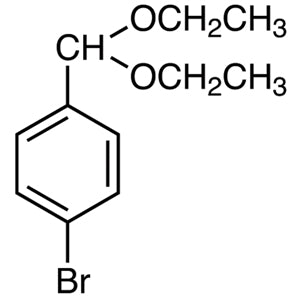
- TCI B2845 34421-94-8 4-Bromobenzaldehyde Diethyl Acetal
- TCI B1893 774-48-1 Benzaldehyde Diethyl Acetal
- TCI B0957 2032-35-1 Bromoacetaldehyde Diethyl Acetal
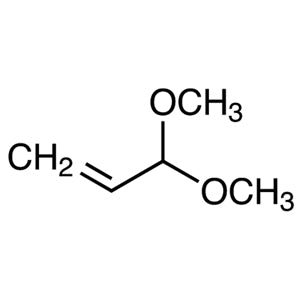
- TCI A2455 6044-68-4 Acrolein Dimethyl Acetal
- Organic synthesis applications benefit from Acrolein Diethyl Acetal due to its reactivity and ability to participate in multiple reaction types, including hydrolysis and nucleophilic reactions.
- The compound is ideal for the preparation of esters and aldehydes, as it provides a stable starting material for these transformations.
- In the synthesis of aromatic compounds, Acrolein Diethyl Acetal serves as a valuable intermediate due to its structural simplicity and functional versatility.
- It is frequently used in heterocyclic compound synthesis, where its chemical properties enable the formation of complex ring structures.
- Indonesian laboratories rely on this compound for both research and development, as it supports the creation of a wide range of chemical products and materials.
| Brand | TCI |
|---|---|
| CAS number | 3054-95-3 |
| Molecular formula | — |
| Purity | — |
| Category | Chemistry > Building Blocks > Non-Heterocyclic Building Blocks |
| Pack sizes | Available in various quantities as per standard laboratory supply |
| Physical form | Liquid |
| Storage | Store in a cool, dry place away from light and incompatible materials |
Acrolein Diethyl Acetal should be stored in a cool, dry environment, away from direct sunlight and sources of heat. It is recommended to use airtight containers made of glass or polyethylene to prevent contamination and maintain stability. Due to its reactivity, it should be kept away from strong oxidizing agents and incompatible substances. Proper ventilation is essential when handling this compound to minimize exposure. Laboratory personnel should wear appropriate personal protective equipment, including gloves and safety goggles, to ensure safe handling. Regular monitoring of storage conditions is advised to maintain the compound's integrity and effectiveness in chemical applications.
—
Produk Terkait
-
3-BromobenzaldehydeDiethylAcetal TCI B3822
Regular price Rp 2.625.000,00Regular priceRp 1.835.400,00Sale price Rp 2.625.000,00 -
2-BromobenzaldehydeDiethylAcetal TCI B3800
Regular price Rp 2.121.000,00Regular priceRp 1.482.600,00Sale price Rp 2.121.000,00 -
4-BromobenzaldehydeDiethylAcetal TCI B2845
Regular price Rp 3.419.850,00Regular priceRp 2.390.850,00Sale price Rp 3.419.850,00 -
BenzaldehydeDiethylAcetal TCI B1893
Regular price Rp 1.776.600,00Regular priceRp 1.242.150,00Sale price Rp 1.776.600,00 -
BromoacetaldehydeDiethylAcetal TCI B0957
Regular price From Rp 848.400,00Regular priceRp 593.250,00Sale price From Rp 848.400,00 -
AcroleinDimethylAcetal TCI A2455
Regular price From Rp 2.757.300,00Regular priceRp 1.927.800,00Sale price From Rp 2.757.300,00 -
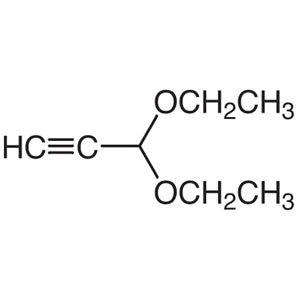
PropargylaldehydeDiethylAcetal TCI P1173
Regular price From Rp 955.500,00Regular priceRp 667.800,00Sale price From Rp 955.500,00 -
PropionaldehydeDiethylAcetal TCI P0781
Regular price From Rp 505.050,00Regular priceRp 352.800,00Sale price From Rp 505.050,00