Methyl Acetoacetate is a versatile organic compound widely used in laboratory settings for its role in various chemical reactions. As a building block in organic chemistry, it provides a fundamental structure that can be modified through substitution and other reactions to create more complex molecules. Its simplicity and reactivity make it a valuable tool for synthetic chemists. This compound is commonly found in research involving the synthesis of heterocyclic compounds and other organic materials with applications in pharmaceuticals, materials science, and chemical engineering.
One of the key attributes of Methyl Acetoacetate is its chemical stability under controlled conditions, which allows it to participate in a range of reactions without rapid degradation. It is also highly reactive, making it suitable for reactions such as Claisen, aldol, and substitution reactions. Its solubility in organic solvents like ethyl acetate and ethanol enhances its usability in different experimental setups. Additionally, its distinct aroma and physical properties contribute to its identification and handling in laboratory environments.
In Indonesian laboratories, Methyl Acetoacetate is frequently used in organic chemistry research, the synthesis of bioactive compounds, and the development of raw materials for the pharmaceutical and cosmetic industries. Its relevance extends to both educational and industrial applications, supporting a wide array of chemical investigations and innovations.
TCI brochures (PDF)
- Lipids 2025-12-17 · p. 8
- Organic synthesis applications benefit from Methyl Acetoacetate due to its reactivity in forming complex molecules through various chemical reactions.
- Bioactive compound synthesis relies on this compound for its ability to undergo substitution and condensation reactions, aiding in drug development.
- Pharmaceutical raw material production utilizes Methyl Acetoacetate as a key intermediate in synthesizing active pharmaceutical ingredients.
- Cosmetic ingredient development incorporates this compound for its solubility and reactivity in creating organic-based formulations.
- Educational research in chemistry laboratories uses Methyl Acetoacetate to demonstrate fundamental organic reactions and synthesis techniques.
| Brand | TCI |
|---|---|
| CAS number | 105-45-3 |
| Molecular formula | — |
| Purity | — |
| Category | Chemistry > Building Blocks > Non-Heterocyclic Building Blocks |
| Pack sizes | Available in standard laboratory quantities |
| Physical form | Liquid |
| Storage | Store in a cool, dry place away from direct sunlight |
Methyl Acetoacetate should be stored in a cool, dry location, away from direct sunlight and sources of heat. It is recommended to use airtight containers made of glass or polyethylene to prevent evaporation and contamination. Due to its reactivity, it should be handled in a well-ventilated area, and appropriate personal protective equipment such as gloves and goggles should be worn. Avoid contact with incompatible materials, and ensure that storage areas are secure to prevent accidental exposure. Regular monitoring of storage conditions is essential to maintain the compound's stability and effectiveness in laboratory applications.
—
Produk Terkait
-
EthylAcetoacetate TCI A0649
Regular price From Rp 530.250,00Regular priceRp 386.400,00Sale price From Rp 530.250,00 -
IsopropylAcetoacetate TCI I0826
Regular price From Rp 1.033.200,00Regular priceRp 738.150,00Sale price From Rp 1.033.200,00 -
Ethyl4,4,4-Trichloroacetoacetate TCI T1285
Regular price From Rp 4.081.350,00Regular priceRp 2.869.650,00Sale price From Rp 4.081.350,00 -
Ethyl2-Benzylacetoacetate TCI B2008
Regular price From Rp 662.550,00Regular priceRp 478.800,00Sale price From Rp 662.550,00 -
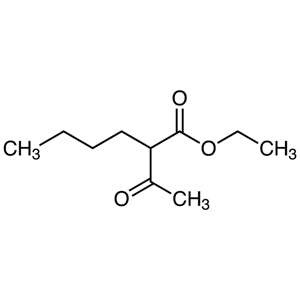
Ethyl2-Butylacetoacetate TCI B0702
Regular price From Rp 1.431.150,00Regular priceRp 1.016.400,00Sale price From Rp 1.431.150,00 -
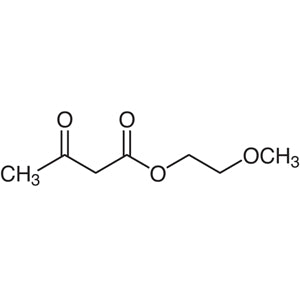
2-MethoxyethylAcetoacetate TCI A1583
Regular price Rp 662.550,00Regular priceRp 478.800,00Sale price Rp 662.550,00 -
LithiumAcetoacetate TCI A1478
Regular price From Rp 3.232.950,00Regular priceRp 2.276.400,00Sale price From Rp 3.232.950,00 -
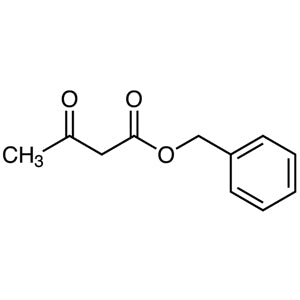
BenzylAcetoacetate TCI A1080
Regular price From Rp 1.220.100,00Regular priceRp 868.350,00Sale price From Rp 1.220.100,00