9-Anthracenecarboxylic Acid is a chemical compound widely used in laboratory settings for its versatility in synthetic reactions. As a key building block in organic chemistry, it plays a crucial role in the synthesis of complex molecules. Its presence is essential in various chemical processes, particularly in the development of pharmaceuticals and industrial chemicals. This compound is frequently utilized in research involving molecular structure modification and functional group manipulation. Due to its stability and reactivity, it is a valuable tool for chemists working on advanced synthesis projects.
The compound’s aromatic structure and solubility in organic solvents make it a preferred choice for laboratory applications. Its predictable chemical behavior allows for precise control during synthesis, ensuring consistent results. The stability of its molecular framework ensures that it remains intact during various chemical transformations, making it ideal for reactions requiring controlled environments. These properties contribute to its reliability in both academic and industrial research settings.
In Indonesian laboratories, 9-Anthracenecarboxylic Acid is commonly used in pure and applied chemistry research. It serves as a fundamental component in the development of new materials and drug compounds. Its availability through suppliers like AMI Scientific supports local scientific efforts, enabling researchers to conduct experiments with high-quality reagents. The compound’s role in chemical synthesis continues to be vital in advancing scientific knowledge and innovation in the region.
TCI brochures (PDF)
- Building Blocks for Organic Semiconductor 2026-03-24 · p. 8
- Pharmaceutical research utilizes 9-Anthracenecarboxylic Acid for the synthesis of complex drug molecules due to its structural versatility and reactivity in organic reactions.
- Material science applications benefit from this compound’s aromatic stability, allowing it to be used in the development of advanced polymers and functional materials.
- Organic synthesis projects rely on its ability to participate in substitution and esterification reactions, making it essential for creating diverse molecular structures.
- Industrial chemical production leverages its solubility and reactivity to create specialized compounds for various commercial applications.
- Academic research in chemistry uses it as a fundamental building block for teaching and experimental studies in molecular synthesis and reaction mechanisms.
| Brand | TCI |
|---|---|
| CAS number | 723-62-6 |
| Molecular formula | — |
| Purity | — |
| Category | Chemistry > Building Blocks > Non-Heterocyclic Building Blocks |
| Pack sizes | Available in various quantities as per supplier specifications |
| Physical form | Solid |
| Storage | Store in a cool, dry place away from direct sunlight |
9-Anthracenecarboxylic Acid should be stored in a cool, dry environment to maintain its chemical integrity. It is recommended to keep it in airtight containers to prevent moisture absorption and contamination. The compound is stable under normal laboratory conditions but should be protected from prolonged exposure to light. When handling, it is advisable to use appropriate personal protective equipment, such as gloves and safety goggles, to ensure safety. It is not flammable but may cause irritation if inhaled or contacted with skin. Proper labeling and storage in designated chemical cabinets are essential for safe laboratory practices.
—
Product Categories
Produk Terkait
-
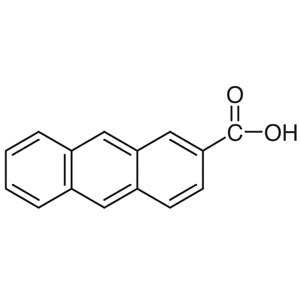
2-AnthracenecarboxylicAcid TCI A1150
Regular price From Rp 5.062.050,00Regular priceRp 3.555.300,00Sale price From Rp 5.062.050,00 -
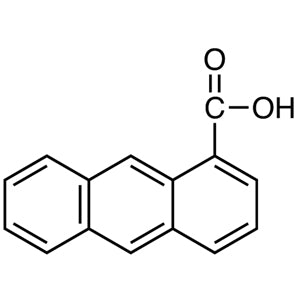
1-AnthracenecarboxylicAcid TCI A1220
Regular price Rp 7.737.450,00Regular priceRp 5.426.400,00Sale price Rp 7.737.450,00 -
9-Anthracenecarboxaldehyde TCI A0779
Regular price From Rp 1.326.150,00Regular priceRp 927.150,00Sale price From Rp 1.326.150,00 -
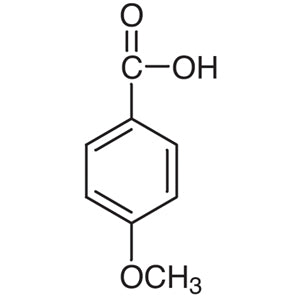
p-AnisicAcid TCI A0482
Regular price Rp 557.550,00Regular priceRp 405.300,00Sale price Rp 557.550,00 -
Anthraquinone TCI A0502
Regular price From Rp 477.750,00Regular priceRp 333.900,00Sale price From Rp 477.750,00 -
2-Bromoanthraquinone TCI B2689
Regular price From Rp 1.140.300,00Regular priceRp 812.700,00Sale price From Rp 1.140.300,00 -
1-Bromoanthraquinone TCI B2688
Regular price From Rp 4.001.550,00Regular priceRp 2.814.000,00Sale price From Rp 4.001.550,00 -
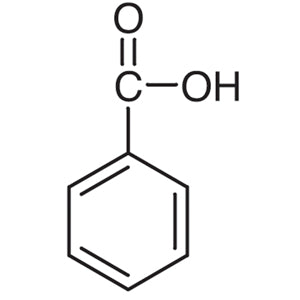
BenzoicAcid TCI B2635
Regular price From Rp 557.550,00Regular priceRp 405.300,00Sale price From Rp 557.550,00