1-Bromoanthraquinone is a chemical compound widely used in organic reactions, particularly in the synthesis of heterocyclic compounds and anthraquinone derivatives. Its molecular structure is based on anthraquinone with an additional bromo group, which enhances its reactivity under various chemical conditions. This compound plays a crucial role in laboratory settings as a building block for creating compounds with specific properties, such as color, stability, or biological activity. Due to its complex structure and high reactivity, it is a key reagent in substitution and electrophilic reactions, making it indispensable in synthetic chemistry.
The compound's unique properties, including its high reactivity and structural complexity, make it a preferred choice for researchers. Its bromo group allows for versatile functionalization, enabling the synthesis of a wide range of derivatives. Additionally, its stability under controlled conditions ensures reliable performance in laboratory experiments. However, it is sensitive to oxidation and uncontrolled chemical reactions, which necessitates careful handling and storage. These characteristics make it a valuable tool in both academic and industrial research environments.
In Indonesian laboratories, 1-Bromoanthraquinone is commonly used in organic chemistry research, especially in universities and research institutions focused on the synthesis of new compounds. It is also relevant in the development of pharmaceutical products and industrial chemicals. Its application is particularly prominent in laboratory synthesis, where it serves as a critical component in the creation of complex molecular structures.
TCI brochures (PDF)
- Building Blocks for Organic Semiconductor 2026-03-24 · p. 9
- Organic synthesis of heterocyclic compounds due to its reactive bromo group and anthraquinone core.
- Development of pharmaceuticals through functionalization of anthraquinone derivatives.
- Creation of colored compounds for use in dyes and pigments due to its structural properties.
- Research in chemical stability and reactivity for academic and industrial studies.
- Synthesis of bioactive molecules for pharmaceutical and biotechnology applications.
| Brand | TCI |
|---|---|
| CAS number | 632-83-7 |
| Molecular formula | — |
| Purity | — |
| Category | Chemistry > Building Blocks > Non-Heterocyclic Building Blocks |
| Pack sizes | Available in various quantities as per supplier specifications |
| Physical form | Solid |
| Storage | Store in a cool, dry place away from light and oxidizing agents |
1-Bromoanthraquinone should be stored in a cool, dry environment, away from direct light and oxidizing agents to maintain its stability. It is recommended to use airtight containers made of glass or high-density polyethylene to prevent contamination and degradation. Due to its sensitivity to oxidation, it should be handled in a controlled laboratory setting with proper ventilation. Personal protective equipment, including gloves and safety goggles, should be worn during handling to ensure safety. The compound should be kept in a secure location to prevent accidental exposure and ensure compliance with standard laboratory safety protocols.
—
Produk Terkait
-
2-Bromoanthraquinone TCI B2689
Regular price From Rp 1.140.300,00Regular priceRp 812.700,00Sale price From Rp 1.140.300,00 -
Anthraquinone TCI A0502
Regular price From Rp 477.750,00Regular priceRp 333.900,00Sale price From Rp 477.750,00 -
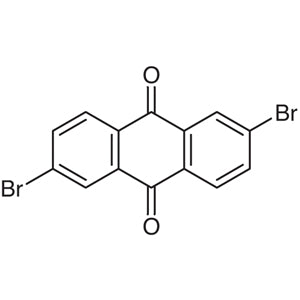
2,6-Dibromoanthraquinone TCI D3182
Regular price From Rp 2.702.700,00Regular priceRp 1.905.750,00Sale price From Rp 2.702.700,00 -
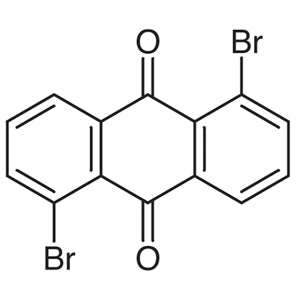
1,5-Dibromoanthraquinone TCI D3181
Regular price Rp 5.009.550,00Regular priceRp 3.518.550,00Sale price Rp 5.009.550,00 -
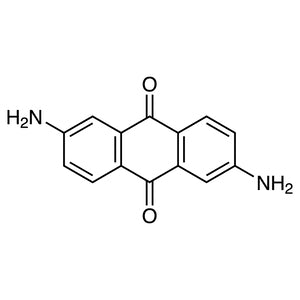
2,6-Diaminoanthraquinone TCI D3180
Regular price Rp 2.068.500,00Regular priceRp 1.461.600,00Sale price Rp 2.068.500,00 -
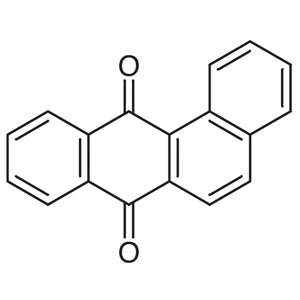
1,2-Benzanthraquinone TCI B0018
Regular price Rp 4.240.950,00Regular priceRp 2.980.950,00Sale price Rp 4.240.950,00 -
2-Phenylanthraquinone TCI P2588
Regular price From Rp 928.200,00Regular priceRp 664.650,00Sale price From Rp 928.200,00 -
2-Methylanthraquinone TCI M0156
Regular price From Rp 1.087.800,00Regular priceRp 775.950,00Sale price From Rp 1.087.800,00