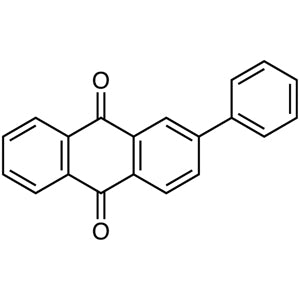
2-Phenylanthraquinone is a chemical compound widely used as a building block in various chemical reactions, particularly in the synthesis of complex compounds. Its molecular structure consists of an anthraquinone ring system substituted with a phenyl group, making it a versatile intermediate in organic chemistry. This compound is commonly found in laboratory settings where researchers need a stable and reactive starting material for further chemical transformations. Its utility spans multiple areas of chemical research, including the development of heterocyclic compounds, dyes, and pharmaceutical agents.
The compound's stability and controlled reactivity make it a preferred choice for laboratory use. It exhibits good chemical properties under both acidic and basic conditions, which enhances its applicability in a wide range of synthetic processes. In solid form, 2-Phenylanthraquinone appears as a yellowish-brown powder and dissolves readily in organic solvents such as ethyl acetate and chloroform. Its solubility and stability contribute to its reliability in both small and large-scale experiments. The availability in small pack sizes, such as 1g and 5g, adds to its practicality for laboratory use.
In Indonesian laboratories, 2-Phenylanthraquinone is extensively used in organic chemistry research, especially in educational and research programs. Its role in the synthesis of complex molecules makes it a valuable tool for both academic and industrial applications. Researchers in Indonesia rely on this compound for its consistent performance and ease of handling, making it a staple in chemical laboratories across the country.
- Organic synthesis of heterocyclic compounds due to its stable anthraquinone core and phenyl substitution.
- Preparation of dyes and pigments where its chromophoric properties contribute to color development.
- Development of pharmaceutical compounds as a precursor in the synthesis of bioactive molecules.
- Educational experiments in undergraduate and graduate chemistry courses for teaching synthetic methods.
- Industrial applications in the production of specialty chemicals requiring controlled reactivity and solubility.
| Brand | TCI |
|---|---|
| CAS number | 6485-97-8 |
| Molecular formula | — |
| Purity | — |
| Category | Chemistry > Building Blocks > Non-Heterocyclic Building Blocks |
| Pack sizes | 1g, 5g |
| Physical form | Solid (yellowish-brown powder) |
| Storage | Store in a cool, dry place away from light and moisture. |
2-Phenylanthraquinone should be stored in a cool, dry place, away from light and moisture to maintain its chemical integrity. It is recommended to use airtight containers made of glass or polyethylene to prevent contamination and degradation. Due to its solubility in organic solvents, it should be handled in a well-ventilated area to avoid inhalation of vapors. Laboratory personnel should wear appropriate personal protective equipment, including gloves and safety goggles, when handling the compound. While it is not classified as hazardous under standard conditions, care should be taken to avoid prolonged skin contact and ingestion. Proper storage and handling ensure the compound remains effective and safe for use in laboratory settings.
—
Produk Terkait
-
Anthraquinone TCI A0502
Regular price From Rp 477.750,00Regular price -
2-Methylanthraquinone TCI M0156
Regular price From Rp 1.035.300,00Regular price -
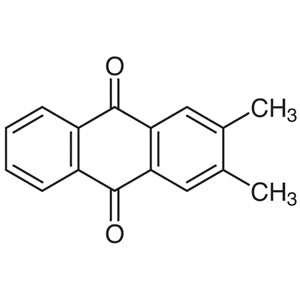
2,3-Dimethylanthraquinone TCI D2980
Regular price From Rp 1.696.800,00Regular price -
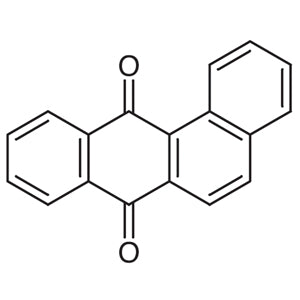
1,2-Benzanthraquinone TCI B0018
Regular price Rp 4.188.450,00Regular price -
2-Bromoanthraquinone TCI B2689
Regular price From Rp 1.087.800,00Regular price -
1-Bromoanthraquinone TCI B2688
Regular price From Rp 3.949.050,00Regular price -
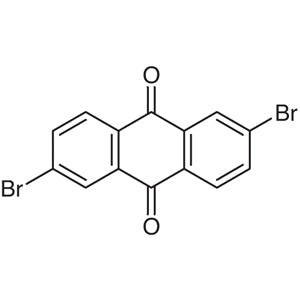
2,6-Dibromoanthraquinone TCI D3182
Regular price From Rp 2.650.200,00Regular price -
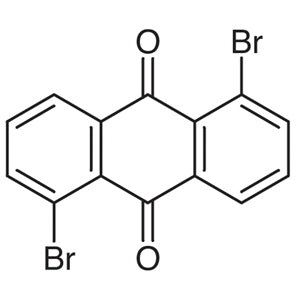
1,5-Dibromoanthraquinone TCI D3181
Regular price Rp 4.957.050,00Regular price