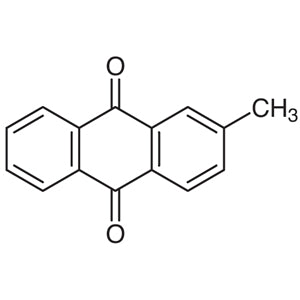
2-Methylanthraquinone is a chemical compound widely used in various chemical reactions and organic synthesis processes. As a key building block in the field of chemistry, it plays a crucial role in the development of new compounds and the modification of existing ones. This compound is particularly valued for its stability and predictable reactivity, making it a reliable choice for researchers and educators in both academic and industrial settings. Its versatility allows it to be incorporated into a wide range of experimental designs, supporting both fundamental research and applied studies.
The unique chemical properties of 2-Methylanthraquinone make it a preferred choice in laboratory environments. It exhibits the ability to participate in substitution reactions and redox processes, which are essential in synthetic pathways. Its molecular structure is complex yet stable, enabling it to act as an active participant in intricate chemical reactions. These characteristics make it highly sought after for applications requiring precise control over chemical transformations and for the synthesis of specialized compounds.
In Indonesian laboratories, 2-Methylanthraquinone is commonly used in chemical research and educational settings. It supports the study of organic reactivity and is used in experiments that require specific molecular structures. Its availability in the local market ensures that researchers and students have access to this essential compound for their work.
TCI brochures (PDF)
- Building Blocks for Organic Semiconductor 2026-03-24 · p. 10
- Organic synthesis experiments benefit from 2-Methylanthraquinone due to its reactivity in substitution and redox reactions, enabling the creation of complex molecules.
- Pigment production relies on this compound for its chemical stability and ability to participate in color-forming reactions, making it a key component in dye synthesis.
- Antipyretic compound development utilizes 2-Methylanthraquinone as a building block, contributing to the synthesis of pharmaceuticals with therapeutic properties.
- Redox reaction studies use this compound to investigate electron transfer mechanisms, providing insights into electrochemical processes.
- Educational laboratories incorporate 2-Methylanthraquinone to teach students about organic chemistry principles and molecular reactivity in a hands-on environment.
| Brand | TCI |
|---|---|
| CAS number | 84-54-8 |
| Molecular formula | — |
| Purity | — |
| Category | Chemistry > Building Blocks > Non-Heterocyclic Building Blocks |
| Pack sizes | Available in various quantities to meet laboratory needs |
| Physical form | Solid |
| Storage | Store in a cool, dry place away from light and moisture |
2-Methylanthraquinone should be stored in a cool, dry place, away from direct light and moisture to maintain its chemical integrity. It is recommended to use airtight containers to prevent exposure to air and humidity, which could affect its stability. In laboratory settings, proper ventilation should be ensured when handling the compound to minimize inhalation risks. It is important to follow standard safety protocols, including the use of personal protective equipment such as gloves and safety goggles. The compound should be kept in a secure location, away from incompatible materials to prevent any potential chemical interactions. Regular inspection of storage conditions is advised to ensure the compound remains in optimal condition for use.
—
Produk Terkait
-
Anthraquinone TCI A0502
Regular price From Rp 477.750,00Regular priceRp 333.900,00Sale price From Rp 477.750,00 -
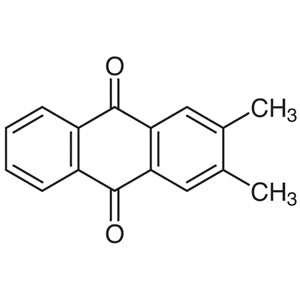
2,3-Dimethylanthraquinone TCI D2980
Regular price From Rp 1.749.300,00Regular priceRp 1.239.000,00Sale price From Rp 1.749.300,00 -
2-Phenylanthraquinone TCI P2588
Regular price From Rp 928.200,00Regular priceRp 664.650,00Sale price From Rp 928.200,00 -
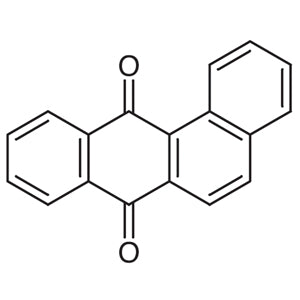
1,2-Benzanthraquinone TCI B0018
Regular price Rp 4.240.950,00Regular priceRp 2.980.950,00Sale price Rp 4.240.950,00 -
2-Bromoanthraquinone TCI B2689
Regular price From Rp 1.140.300,00Regular priceRp 812.700,00Sale price From Rp 1.140.300,00 -
1-Bromoanthraquinone TCI B2688
Regular price From Rp 4.001.550,00Regular priceRp 2.814.000,00Sale price From Rp 4.001.550,00 -
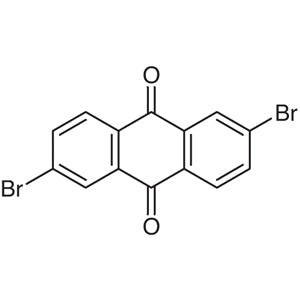
2,6-Dibromoanthraquinone TCI D3182
Regular price From Rp 2.702.700,00Regular priceRp 1.905.750,00Sale price From Rp 2.702.700,00 -
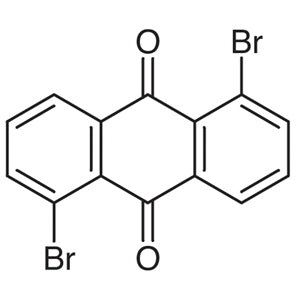
1,5-Dibromoanthraquinone TCI D3181
Regular price Rp 5.009.550,00Regular priceRp 3.518.550,00Sale price Rp 5.009.550,00