Acetone Dibutyl Acetal (A0782), with CAS number 141-72-0, is a versatile organic compound widely used in laboratory settings. As a building block in chemical synthesis, it plays a crucial role in the development of complex molecules through various reaction mechanisms. Its chemical structure provides stability while maintaining sufficient reactivity to participate in multiple synthetic pathways. This compound is commonly found in research environments where controlled chemical transformations are required, making it an essential tool for chemists and researchers.
The properties of Acetone Dibutyl Acetal make it a preferred choice in laboratory applications. It exhibits good solubility in organic solvents, which facilitates its use in a wide range of chemical reactions. Its relatively high boiling point and colorless appearance contribute to its ease of identification and handling. Additionally, its non-toxic nature and compatibility with standard laboratory procedures enhance its appeal for both academic and industrial research. These characteristics ensure its reliability and safety in diverse experimental conditions.
In Indonesian laboratories, Acetone Dibutyl Acetal is frequently utilized in chemical research, compound development, and educational settings. It supports both undergraduate and postgraduate studies, as well as research initiatives in universities and research institutions. Its availability and performance make it a valuable resource for scientists working on organic synthesis and related fields. The compound’s role in fostering innovation and experimentation underscores its importance in the Indonesian scientific community.
Related TCI products
- TCI D1302 18503-90-7 N,N-Dimethylformamide Dibutyl Acetal [for Esterification]
- TCI B3822 75148-49-1 3-Bromobenzaldehyde Diethyl Acetal
- TCI B3800 35822-58-3 2-Bromobenzaldehyde Diethyl Acetal
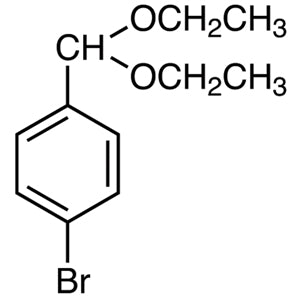
- TCI B2845 34421-94-8 4-Bromobenzaldehyde Diethyl Acetal
- TCI B1901 36255-44-4 3-Bromopropionaldehyde Dimethyl Acetal
- TCI B1893 774-48-1 Benzaldehyde Diethyl Acetal
- Organic synthesis reactions benefit from Acetone Dibutyl Acetal due to its stability and reactivity, enabling the formation of complex molecular structures.
- Esterification processes often utilize this compound as a versatile intermediate, offering controlled reactivity for functional group transformations.
- Substitution reactions in laboratory settings rely on its ability to participate in nucleophilic or electrophilic mechanisms, enhancing reaction efficiency.
- Research in polymer chemistry frequently incorporates Acetone Dibutyl Acetal for its compatibility with various monomers and cross-linking agents.
- Educational experiments in chemistry courses use this compound to demonstrate fundamental reaction mechanisms and synthetic pathways.
| Brand | TCI |
|---|---|
| CAS number | 141-72-0 |
| Molecular formula | — |
| Purity | — |
| Category | Chemistry > Building Blocks > Non-Heterocyclic Building Blocks |
| Pack sizes | Available in standard laboratory quantities |
| Physical form | Liquid |
| Storage | Store in a cool, dry place away from direct sunlight |
Acetone Dibutyl Acetal should be stored in a cool, dry environment, away from direct sunlight and sources of heat. It is recommended to use sealed, airtight containers to prevent evaporation and contamination. Due to its chemical nature, it should be kept in a well-ventilated area to ensure safe handling. Avoid exposure to incompatible substances such as strong oxidizers or acids. Always follow standard laboratory safety protocols, including the use of personal protective equipment when handling or transferring the compound. Proper storage and handling practices ensure the compound remains stable and suitable for use in various experimental applications.
—
Produk Terkait
-
N,N-DimethylformamideDibutylAcetal[forEsterification] TCI D1302
Regular price From Rp 1.431.150,00Regular priceRp 1.016.400,00Sale price From Rp 1.431.150,00 -
3-BromobenzaldehydeDiethylAcetal TCI B3822
Regular price Rp 2.625.000,00Regular priceRp 1.835.400,00Sale price Rp 2.625.000,00 -
2-BromobenzaldehydeDiethylAcetal TCI B3800
Regular price Rp 2.121.000,00Regular priceRp 1.482.600,00Sale price Rp 2.121.000,00 -
4-BromobenzaldehydeDiethylAcetal TCI B2845
Regular price Rp 3.419.850,00Regular priceRp 2.390.850,00Sale price Rp 3.419.850,00 -
3-BromopropionaldehydeDimethylAcetal TCI B1901
Regular price From Rp 2.359.350,00Regular priceRp 1.649.550,00Sale price From Rp 2.359.350,00 -
BenzaldehydeDiethylAcetal TCI B1893
Regular price Rp 1.776.600,00Regular priceRp 1.242.150,00Sale price Rp 1.776.600,00 -
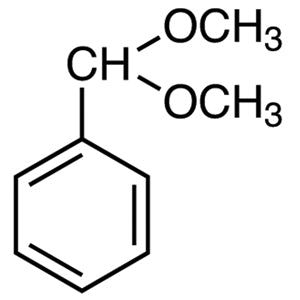
BenzaldehydeDimethylAcetal TCI B1197
Regular price From Rp 477.750,00Regular priceRp 333.900,00Sale price From Rp 477.750,00 -
BromoacetaldehydeDimethylAcetal(stabilizedwithK2CO3) TCI B1097
Regular price From Rp 1.298.850,00Regular priceRp 908.250,00Sale price From Rp 1.298.850,00