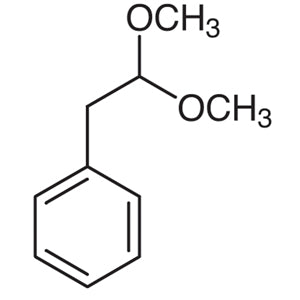
3-Bromopropionaldehyde Dimethyl Acetal is a chemical compound widely used as a building block in the synthesis of complex organic compounds. This material is derived from an aldehyde structure modified through a dimethyl acetal reaction, providing it with specific reactivity and flexibility in chemical reactions. Its unique chemical structure makes it a valuable resource for researchers aiming to develop new compounds with tailored properties. In the laboratory, it serves as a versatile intermediate, enabling the creation of heterocyclic and complex molecular structures through various synthetic pathways.
The compound is known for its high reactivity and ability to participate in nucleophilic and substitution reactions. These properties make it a preferred choice for chemists working on synthetic routes that require functional group manipulation. It is also stable under certain conditions, allowing for ease of handling and processing in both small and large-scale experiments. Its stability and reactivity contribute to its popularity among researchers seeking reliable and adaptable materials for their work.
In Indonesian laboratories, 3-Bromopropionaldehyde Dimethyl Acetal is extensively used in organic chemistry research, particularly in the development of pharmaceutical compounds, industrial chemicals, and synthetic materials. Its availability supports the advancement of research projects that require a flexible and reactive starting material. This compound is a key component in the toolkit of many researchers in the field of organic synthesis.
Related TCI products
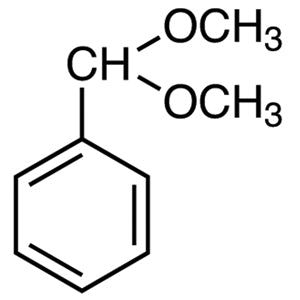
- TCI B1197 1125-88-8 Benzaldehyde Dimethyl Acetal
- TCI B1097 7252-83-7 Bromoacetaldehyde Dimethyl Acetal (stabilized with K2CO3)
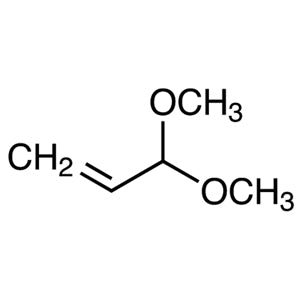
- TCI A2455 6044-68-4 Acrolein Dimethyl Acetal
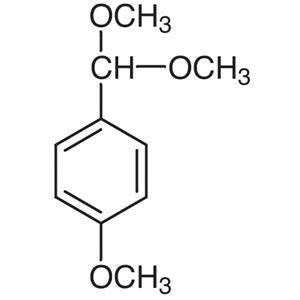
- TCI A1247 2186-92-7 p-Anisaldehyde Dimethyl Acetal
- TCI A0801 22483-09-6 Aminoacetaldehyde Dimethyl Acetal
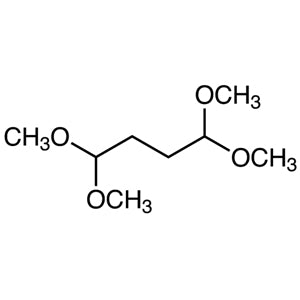
- TCI S0371 6922-39-0 Succinaldehyde Bis(dimethyl Acetal)
- Organic synthesis of heterocyclic compounds due to its reactivity and structural versatility.
- Development of pharmaceutical intermediates through functional group transformations.
- Preparation of complex synthetic molecules requiring nucleophilic and substitution reactions.
- Industrial chemical production where flexible building blocks are essential for compound design.
- Research in synthetic materials where structural modification is a key requirement.
| Brand | TCI |
|---|---|
| CAS number | 36255-44-4 |
| Molecular formula | — |
| Purity | — |
| Category | Chemistry > Building Blocks > Non-Heterocyclic Building Blocks |
| Pack sizes | Available in various quantities as per standard laboratory supply. |
| Physical form | Liquid |
| Storage | Store in a cool, dry place away from direct sunlight. |
This compound should be stored in a cool, dry environment, away from direct sunlight and sources of heat. It is recommended to use sealed containers made of glass or high-density polyethylene to prevent contamination and evaporation. Due to its reactivity, it should be handled in a well-ventilated area, preferably under a fume hood, to minimize exposure. Avoid contact with incompatible substances such as strong bases or oxidizing agents. Always wear appropriate personal protective equipment, including gloves, goggles, and a lab coat, when handling this material. Proper storage and handling ensure the safety of laboratory personnel and maintain the integrity of the compound for experimental use.
—
Produk Terkait
-
BenzaldehydeDimethylAcetal TCI B1197
Regular price From Rp 477.750,00Regular priceRp 333.900,00Sale price From Rp 477.750,00 -
BromoacetaldehydeDimethylAcetal(stabilizedwithK2CO3) TCI B1097
Regular price From Rp 1.298.850,00Regular priceRp 908.250,00Sale price From Rp 1.298.850,00 -
AcroleinDimethylAcetal TCI A2455
Regular price From Rp 2.757.300,00Regular priceRp 1.927.800,00Sale price From Rp 2.757.300,00 -
p-AnisaldehydeDimethylAcetal TCI A1247
Regular price From Rp 1.803.900,00Regular priceRp 1.261.050,00Sale price From Rp 1.803.900,00 -
AminoacetaldehydeDimethylAcetal TCI A0801
Regular price Rp 1.590.750,00Regular priceRp 1.127.700,00Sale price Rp 1.590.750,00 -
SuccinaldehydeBis(dimethylAcetal) TCI S0371
Regular price From Rp 2.439.150,00Regular priceRp 1.705.200,00Sale price From Rp 2.439.150,00 -
PyruvicAldehydeDimethylAcetal TCI P1264
Regular price From Rp 1.618.050,00Regular priceRp 1.146.600,00Sale price From Rp 1.618.050,00 -
PhenylacetaldehydeDimethylAcetal TCI P1161
Regular price From Rp 505.050,00Regular priceRp 352.800,00Sale price From Rp 505.050,00