p-Anisaldehyde Dimethyl Acetal (CAS 2186-92-7) is a chemical compound widely used in organic laboratory reactions. It serves as a versatile building block in the synthesis of aromatic and heterocyclic compounds. Its chemical structure enables participation in substitution and reduction reactions, making it an essential reagent for chemists. This compound is particularly valuable in the development of pharmaceuticals, fragrances, and industrial chemicals. Its stability and reactivity make it a reliable choice for various synthetic processes.
The compound's stability and reactivity are key factors that make it a preferred choice in laboratory settings. It is capable of undergoing multiple chemical transformations, allowing for the synthesis of a wide range of derivatives. Its ability to participate in diverse reaction mechanisms enhances its utility in complex chemical syntheses. The liquid form of this compound also facilitates easy handling and incorporation into experimental procedures. These properties contribute to its popularity among researchers and industrial chemists.
In Indonesian laboratories, p-Anisaldehyde Dimethyl Acetal is commonly used in chemical research, especially in the synthesis of complex compounds and pharmaceutical development. Its reliability and effectiveness in various reactions make it a go-to material for both academic and industrial applications. Researchers in Indonesia rely on this compound for its consistent performance and adaptability in different chemical processes.
TCI brochures (PDF)
- Protecting Agents 2025-03-25 · p. 8
- Reagents for Glyco Chemistry & Biology 5th Edition · p. 128
Related TCI products
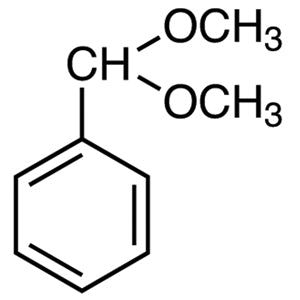
- TCI B1197 1125-88-8 Benzaldehyde Dimethyl Acetal
- TCI B1901 36255-44-4 3-Bromopropionaldehyde Dimethyl Acetal
- TCI B1097 7252-83-7 Bromoacetaldehyde Dimethyl Acetal (stabilized with K2CO3)
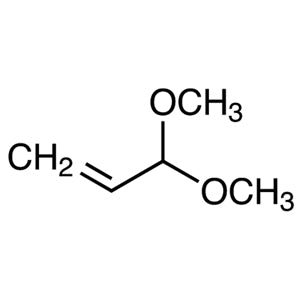
- TCI A2455 6044-68-4 Acrolein Dimethyl Acetal
- TCI A0801 22483-09-6 Aminoacetaldehyde Dimethyl Acetal
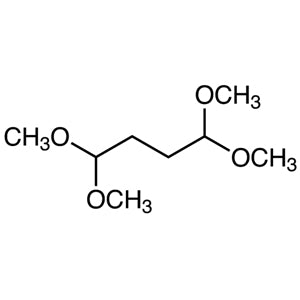
- TCI S0371 6922-39-0 Succinaldehyde Bis(dimethyl Acetal)
- Aromatic Compound Synthesis: This compound is ideal for synthesizing aromatic derivatives due to its reactivity and structural versatility.
- Pharmaceutical Development: It is frequently used in the creation of drug molecules, as it can participate in key synthetic steps.
- Fragrance and Flavor Production: Its chemical properties make it suitable for creating aromatic compounds used in perfumes and food additives.
- Industrial Chemical Manufacturing: It is a valuable component in the production of various industrial chemicals due to its stability and reactivity.
- Research and Development: Its adaptability in different reaction mechanisms makes it a preferred choice for experimental studies in chemical research.
| Brand | TCI |
|---|---|
| CAS number | 2186-92-7 |
| Molecular formula | — |
| Purity | — |
| Category | Chemistry > Building Blocks > Non-Heterocyclic Building Blocks |
| Pack sizes | Available in various sizes as per standard laboratory requirements |
| Physical form | Liquid |
| Storage | Store in a cool, dry place away from direct sunlight |
This compound should be stored in a cool, dry environment, away from direct sunlight and sources of heat. It is recommended to use airtight containers to prevent exposure to moisture and air. As a liquid, it should be kept in properly sealed glass or plastic containers to maintain its integrity. Laboratory personnel should handle it with care, using appropriate personal protective equipment such as gloves and safety goggles. It is important to ensure that the storage area is well-ventilated to minimize any potential exposure. Proper handling and storage are essential to maintain the compound's chemical stability and ensure safe laboratory practices.
—
Product Categories
Produk Terkait
-
BenzaldehydeDimethylAcetal TCI B1197
Regular price From Rp 477.750,00Regular priceRp 333.900,00Sale price From Rp 477.750,00 -
3-BromopropionaldehydeDimethylAcetal TCI B1901
Regular price From Rp 2.359.350,00Regular priceRp 1.649.550,00Sale price From Rp 2.359.350,00 -
BromoacetaldehydeDimethylAcetal(stabilizedwithK2CO3) TCI B1097
Regular price From Rp 1.298.850,00Regular priceRp 908.250,00Sale price From Rp 1.298.850,00 -
AcroleinDimethylAcetal TCI A2455
Regular price From Rp 2.757.300,00Regular priceRp 1.927.800,00Sale price From Rp 2.757.300,00 -
AminoacetaldehydeDimethylAcetal TCI A0801
Regular price Rp 1.590.750,00Regular priceRp 1.127.700,00Sale price Rp 1.590.750,00 -
SuccinaldehydeBis(dimethylAcetal) TCI S0371
Regular price From Rp 2.439.150,00Regular priceRp 1.705.200,00Sale price From Rp 2.439.150,00 -
PyruvicAldehydeDimethylAcetal TCI P1264
Regular price From Rp 1.618.050,00Regular priceRp 1.146.600,00Sale price From Rp 1.618.050,00 -
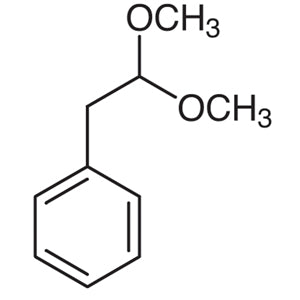
PhenylacetaldehydeDimethylAcetal TCI P1161
Regular price From Rp 505.050,00Regular priceRp 352.800,00Sale price From Rp 505.050,00