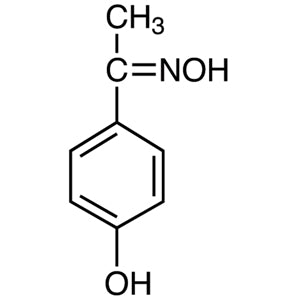
Acetophenone Oxime (TCI A0807), with the CAS number 613-91-2, is a chemical compound widely used in organic laboratory reactions. As a fundamental building block in the synthesis of complex compounds, it plays a crucial role in the formation of heterocyclic structures and aromatic compounds. Its versatility makes it an essential reagent for chemists involved in both research and industrial applications. This compound is particularly valued for its ability to participate in nucleophilic substitution and condensation reactions, which are common in synthetic pathways.
The stability and reactivity of Acetophenone Oxime make it a preferred choice in laboratory settings. Its molecular structure is simple yet highly reactive, allowing it to interact efficiently with a variety of reagents. This reactivity, combined with its chemical stability, ensures that it remains effective even under various reaction conditions. The compound’s predictable behavior and consistent performance contribute to its reliability in chemical experiments, making it a trusted material for both academic and industrial laboratories.
In Indonesian laboratories, Acetophenone Oxime is commonly used in chemical research and development. It is readily available in various packaging formats, making it accessible for use in both academic and commercial settings. Its widespread application in the synthesis of complex organic molecules underscores its importance in the chemical research landscape of Indonesia.
- Organic synthesis is a key application where Acetophenone Oxime is used to create complex molecules through nucleophilic substitution and condensation reactions.
- Heterocyclic compound formation benefits from the compound’s ability to participate in ring-opening and cyclization reactions, making it ideal for synthetic pathways.
- Aromatic compound synthesis leverages the reactivity of Acetophenone Oxime to form stable aromatic structures under controlled conditions.
- Condensation reactions in laboratory settings utilize this compound to form new carbon-carbon bonds, enhancing the diversity of synthetic products.
- Research and development in chemical laboratories rely on its consistent performance and predictable behavior for reliable experimental outcomes.
| Brand | TCI |
|---|---|
| CAS number | 613-91-2 |
| Molecular formula | — |
| Purity | — |
| Category | Chemistry > Building Blocks > Non-Heterocyclic Building Blocks |
| Pack sizes | Available in various sizes to suit different laboratory needs |
| Physical form | Solid or liquid, depending on the specific product variant |
| Storage | Store in a cool, dry place away from direct sunlight |
Acetophenone Oxime should be stored in a cool, dry environment to maintain its chemical stability. It is recommended to keep it in a sealed container to prevent moisture absorption and contamination. Suitable storage containers include glass or high-density polyethylene (HDPE) bottles, which provide protection against chemical interactions. In laboratory settings, it is important to handle the compound with care, using appropriate personal protective equipment such as gloves and safety goggles. Proper ventilation should be maintained when working with this material to ensure a safe working environment. Regular inspection of storage conditions is advised to ensure the integrity of the compound remains unaffected over time.
—
Produk Terkait
-
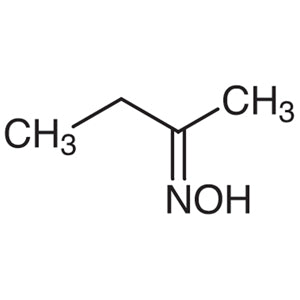
2-ButanoneOxime TCI B0688
Regular price From Rp 557.550,00Regular priceRp 405.300,00Sale price From Rp 557.550,00 -
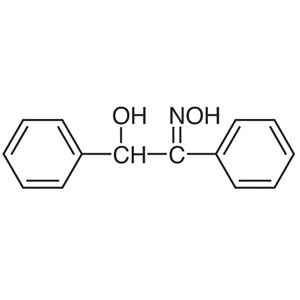
alpha-BenzoinOxime TCI B0081
Regular price From Rp 1.246.350,00Regular priceRp 887.250,00Sale price From Rp 1.246.350,00 -
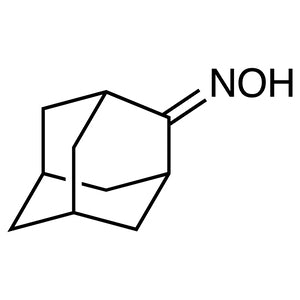
2-AdamantanoneOxime TCI A2110
Regular price Rp 1.618.050,00Regular priceRp 1.146.600,00Sale price Rp 1.618.050,00 -
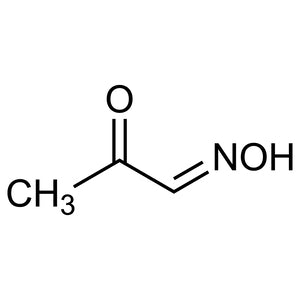
2-Oxopropanal1-Oxime TCI O0703
Regular price From Rp 1.431.150,00Regular priceRp 1.016.400,00Sale price From Rp 1.431.150,00 -
4-MethylbenzaldehydeOxime TCI M3642
Regular price From Rp 3.392.550,00Regular priceRp 2.387.700,00Sale price From Rp 3.392.550,00 -
4-Methyl-2-pentanoneOxime TCI M0642
Regular price From Rp 2.411.850,00Regular priceRp 1.702.050,00Sale price From Rp 2.411.850,00 -
4'-HydroxyacetophenoneOxime TCI H1512
Regular price From Rp 1.776.600,00Regular priceRp 1.257.900,00Sale price From Rp 1.776.600,00 -
3-Hydroxy-3-methyl-2-butanoneOxime TCI H0472
Regular price Rp 3.207.750,00Regular priceRp 2.258.550,00Sale price Rp 3.207.750,00