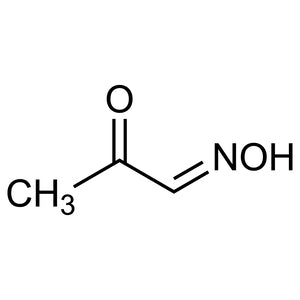
2-Oxopropanal 1-Oxime, also known as isonitrosoacetone or methylglyoxal 1-oxime, is a small organic compound that carries both a ketone group and an oxime group in one molecule. It is classed as a non-heterocyclic building block and is used as an intermediate in organic synthesis, mainly for building nitrogen-containing and heterocyclic compounds. In coordination chemistry laboratories, α-keto-oxime structures like this one are also known as ligands that can form complexes with transition metal ions, so the compound has uses beyond routine synthetic work.
What makes this compound attractive is that its two functional groups sit right next to each other. The carbonyl group reacts with nucleophiles, and the oxime group can be reduced, hydrolysed or converted into other nitrogen derivatives. Together, the two groups allow condensation reactions that give rings such as pyrazines, imidazoles or isoxazoles, depending on the reaction partner. The neighbouring oxygen and nitrogen atoms also give the molecule chelating ability. This makes it useful for research on metal complexes and for analytical methods that rely on forming coloured complexes.
For laboratories in Indonesia, isonitrosoacetone supports research in heterocyclic synthesis, where a compact, bifunctional starting material makes it easier to build nitrogen-containing rings. University chemistry departments, research institutes and industrial R&D groups working on organic synthesis or coordination chemistry can include it in their reagent inventory. As a TCI product supplied through AMI Scientific, it gives Indonesian researchers access to a recognised building block for both teaching and advanced research work.
- Heterocyclic synthesis: the ketone and oxime groups sit side by side, so condensation with suitable partners can give pyrazine, imidazole or isoxazole rings in a direct way.
- Preparation of nitrogen-containing intermediates: the oxime group can be reduced, hydrolysed or otherwise transformed, which gives chemists a flexible route to a range of nitrogen derivatives.
- Coordination chemistry research: as an α-keto-oxime, the compound can act as a ligand, forming complexes with transition metal ions for structural and reactivity studies.
- Analytical chemistry based on complex formation: the chelating oxygen and nitrogen atoms make it useful for methods that detect or study metals through the formation of coloured complexes.
- Teaching and method development in organic synthesis: its small, bifunctional structure shows how carbonyl and oxime groups behave, which makes it useful for advanced laboratory courses and route-scouting work.
| Brand | TCI (product code O0703) |
|---|---|
| CAS number | 306-44-5 |
| Molecular formula | — |
| Purity | — |
| Category | Chemistry > Building Blocks > Non-Heterocyclic Building Blocks |
| Pack sizes | standard TCI pack sizes; please confirm the available options when ordering |
| Physical form | — |
| Storage | follow the conditions stated on the TCI label and Safety Data Sheet |
- Synonyms: Isonitrosoacetone; Methylglyoxal 1-Oxime
Store 2-Oxopropanal 1-Oxime in its original tightly closed manufacturer container, under the conditions given on the TCI product label and Safety Data Sheet. Keep it in a cool, dry, well-ventilated area away from heat, direct sunlight, moisture and incompatible substances such as strong oxidising agents. Reseal the container promptly after each use to protect the compound's quality. Handle it only in a fume hood or another well-ventilated area, and wear suitable protective equipment, including safety glasses, chemical-resistant gloves and a laboratory coat. Avoid breathing dust or vapour and avoid contact with skin and eyes. Read the Safety Data Sheet before use, and dispose of waste according to local regulations and your institution's chemical waste procedures.
—
Produk Terkait
-
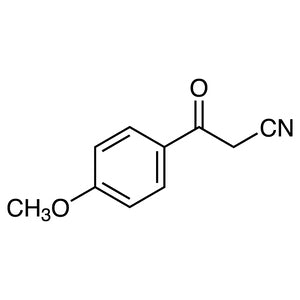
3-(4-Methoxyphenyl)-3-oxopropanenitrile TCI M3492
Regular price From Rp 1.035.300,00Regular price -
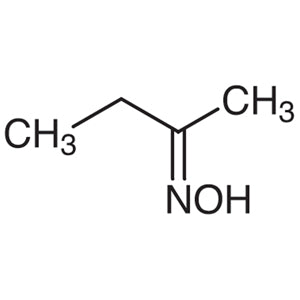
2-ButanoneOxime TCI B0688
Regular price From Rp 505.050,00Regular price -
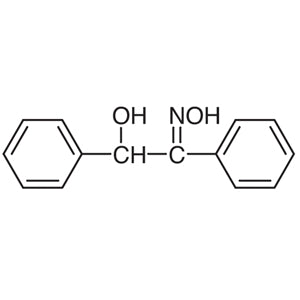
alpha-BenzoinOxime TCI B0081
Regular price From Rp 1.193.850,00Regular price -
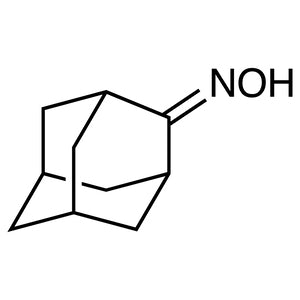
2-AdamantanoneOxime TCI A2110
Regular price Rp 1.565.550,00Regular price -
AcetophenoneOxime TCI A0807
Regular price Rp 2.597.700,00Regular price -
4-MethylbenzaldehydeOxime TCI M3642
Regular price From Rp 3.340.050,00Regular price -
4-Methyl-2-pentanoneOxime TCI M0642
Regular price From Rp 2.359.350,00Regular price -
4'-HydroxyacetophenoneOxime TCI H1512
Regular price From Rp 1.724.100,00Regular price