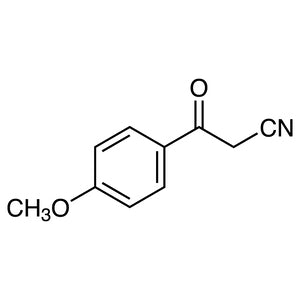
3-(4-Methoxyphenyl)-3-oxopropanenitrile is a chemical compound widely used as a building block in the synthesis of complex organic compounds. Its versatility makes it an essential component in various chemical reactions, particularly in the formation of heterocyclic and aromatic compounds. In laboratory settings, this compound plays a critical role in the development of new substances, including pharmaceuticals, industrial chemicals, and functional materials. Its molecular structure is stable, allowing for efficient chemical reactions under controlled conditions.
The compound's reactivity is enhanced by the presence of both a nitrile group and a methoxy group, enabling participation in a variety of reactions such as nucleophilic, electrophilic, and substitution reactions. These chemical properties make it a preferred choice for organic chemists seeking to design and synthesize new compounds. Its ability to undergo multiple reaction pathways increases its utility in research and development applications.
In Indonesian laboratories, this compound is commonly used by chemists, students, and pharmaceutical industries. It is an essential part of the basic materials required for the synthesis of new compounds and scientific research in educational and research institutions. Its widespread application underscores its importance in both academic and industrial chemical studies.
- Synthesis of Heterocyclic Compounds: This compound is ideal for creating heterocyclic structures due to its reactive nitrile and methoxy groups, enabling efficient bond formation in complex organic molecules.
- Pharmaceutical Research: It is frequently used in drug development as a key intermediate in the synthesis of various pharmaceutical compounds, supporting the creation of new therapeutic agents.
- Organic Chemistry Education: Its stability and reactivity make it a valuable teaching tool for students learning about chemical synthesis and reaction mechanisms in laboratory settings.
- Industrial Chemical Production: It serves as a foundational material in the manufacturing of industrial chemicals, contributing to the production of functional materials and specialty compounds.
- Functional Material Development: Its structural versatility supports the design of functional materials, including polymers and advanced chemical intermediates used in various technological applications.
| Brand | TCI |
|---|---|
| CAS number | 3672-47-7 |
| Molecular formula | — |
| Purity | — |
| Category | Chemistry > Building Blocks > Non-Heterocyclic Building Blocks |
| Pack sizes | Available in various quantities as per standard chemical supply practices |
| Physical form | Solid or liquid, depending on the specific product variant |
| Storage | Store in a cool, dry place away from direct sunlight and incompatible materials |
This compound should be stored in a cool, dry environment, away from direct sunlight and sources of heat. It is recommended to use airtight containers made of materials such as glass or polyethylene to prevent contamination and maintain chemical integrity. Due to its reactivity, it should be handled with care, using appropriate personal protective equipment such as gloves and safety goggles. It is important to ensure proper ventilation in the laboratory to minimize exposure to vapors. Avoid contact with incompatible substances, such as strong acids or bases, to prevent unwanted chemical reactions. Always follow standard laboratory safety protocols when working with this compound.
—
Produk Terkait
-
3-Oxo-3-(p-tolyl)propanenitrile TCI T3700
Regular price Rp 1.273.650,00Regular price -
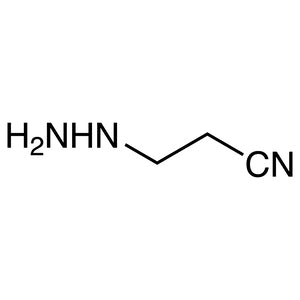
3-Hydrazinylpropanenitrile TCI H1909
Regular price Rp 1.485.750,00Regular price -
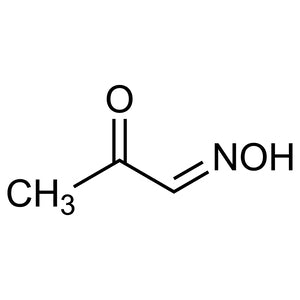
2-Oxopropanal1-Oxime TCI O0703
Regular price From Rp 1.378.650,00Regular price -
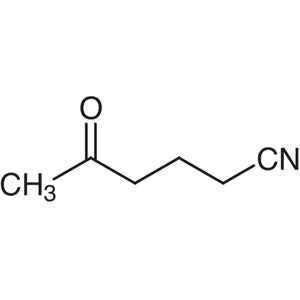
5-Ketohexanenitrile TCI K0029
Regular price From Rp 1.776.600,00Regular price -
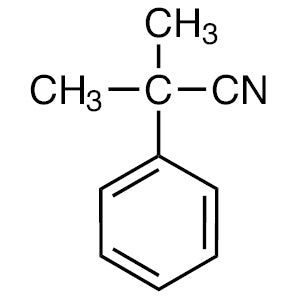
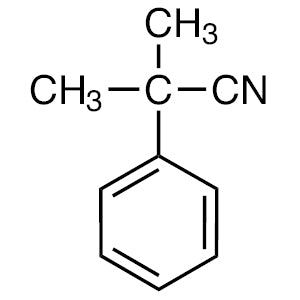
2-Methyl-2-phenylpropanenitrile TCI M3308
Regular price From Rp 1.881.600,00Regular price -
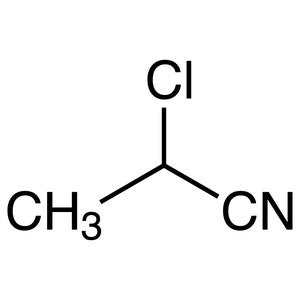
2-Chloropropanenitrile TCI C3771
Regular price Rp 2.359.350,00Regular price -
2-Bromo-2-methylpropanenitrile TCI B6477
Regular price From Rp 1.298.850,00Regular price -
2-(4-Bromophenyl)-2-methylpropanenitrile TCI B5950
Regular price From Rp 823.200,00Regular price