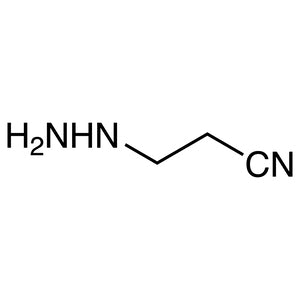
TCI H1909 3-Hydrazinylpropanenitrile is a bifunctional organic compound that carries a hydrazine group at one end of a propane chain and a nitrile group at the other. The combination of two reactive groups within a single small molecule is precisely what makes it a valuable non-heterocyclic building block in the organic synthesis laboratory. Chemists rely on it to construct more elaborate molecular frameworks, particularly when an efficient entry point toward nitrogen-containing heterocyclic rings is required — pyrazoles, triazoles, and hydrazone derivatives of the kind frequently encountered in pharmaceutical active-ingredient research.
The property that leads chemists to select this compound is the high reactivity of the hydrazine group toward carbonyl compounds, so that condensation reactions with both aldehydes and ketones proceed readily and can be directed as needed. The nitrile group, by contrast, remains comparatively quiet under those same conditions, yet can still be converted later into an amine, an amide, a carboxylic acid, or a tetrazole. This difference in reactivity levels is what gives chemists the freedom to design stepwise reaction sequences starting from a single starting material. The compact size of the molecule also means that appending this fragment does not burden the molecular weight of the target structure.
In Indonesian laboratories, this building block is typically used in university and institutional research settings where synthetic organic chemistry, medicinal chemistry, and heterocycle development are active areas of work. It suits multi-step synthesis planning on a research scale, where a small dual-function intermediate lets a group explore several derivative series from one common precursor. Teams working on pharmaceutical intermediates and structure–activity exploration commonly keep such versatile fragments on hand for routine bench work.
Related TCI products
- TCI T3700 7391-28-8 3-Oxo-3-(p-tolyl)propanenitrile
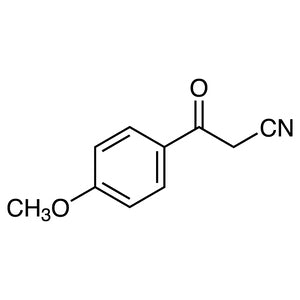
- TCI M3492 3672-47-7 3-(4-Methoxyphenyl)-3-oxopropanenitrile
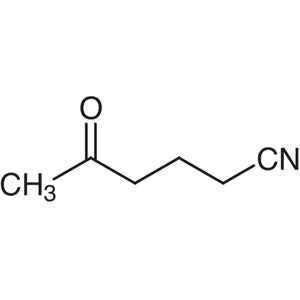
- TCI K0029 10412-98-3 5-Ketohexanenitrile
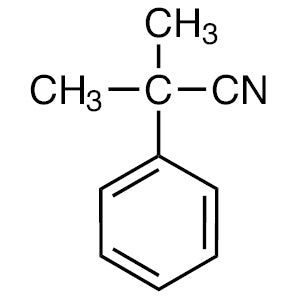
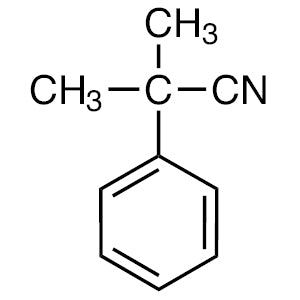
- TCI M3308 1195-98-8 2-Methyl-2-phenylpropanenitrile
- TCI B6477 41658-69-9 2-Bromo-2-methylpropanenitrile
- TCI B5950 101184-73-0 2-(4-Bromophenyl)-2-methylpropanenitrile
- Pyrazole ring synthesis: the hydrazine terminus condenses with suitable carbonyl partners to close a five-membered nitrogen ring, while the nitrile arm remains available for later elaboration into other functional groups.
- Triazole construction: the same hydrazine reactivity provides a direct entry into nitrogen-rich triazole systems, making this a practical starting material for research groups building heterocyclic libraries from a common precursor.
- Hydrazone preparation: reaction with aldehydes or ketones gives hydrazone derivatives cleanly and controllably, allowing chemists to prepare a range of analogues quickly from one shared bifunctional intermediate.
- Pharmaceutical intermediate research: the compound serves as an early-stage fragment in medicinal chemistry programmes, where compact nitrogen-bearing building blocks are needed without adding excessive molecular weight to the target.
- Stepwise functional group transformation studies: the nitrile can be converted afterwards into an amine, amide, carboxylic acid, or tetrazole, supporting sequential synthetic routes designed around differing group reactivity.
| Brand | TCI (Tokyo Chemical Industry) |
|---|---|
| CAS number | 353-07-1 |
| Molecular formula | — |
| Purity | — |
| Category | Chemistry > Building Blocks > Non-Heterocyclic Building Blocks |
| Pack sizes | available in standard TCI research-scale packaging; please confirm the currently listed size options when ordering |
| Physical form | — |
| Storage | keep in the closed original container under the conditions stated on the manufacturer's label and safety data sheet |
- Product code: H1909
Store the container tightly closed in a cool, dry, well-ventilated place away from heat sources, direct sunlight, and incompatible materials, following the conditions specified on the manufacturer's label and safety data sheet. Keep the material in its original supplier container, or in a chemically compatible, clearly labelled and tightly sealed alternative if transfer is necessary. Handle inside a functioning fume hood and wear appropriate personal protective equipment, including safety goggles, chemical-resistant gloves, and a laboratory coat. Hydrazine-bearing compounds should be kept away from oxidising agents and strong acids. Avoid inhalation of vapours and direct contact with skin or eyes, minimise exposure to air and moisture during handling, and dispose of residues and contaminated materials in line with applicable laboratory waste regulations. Consult the full safety data sheet before first use.
—
Produk Terkait
-
3-Oxo-3-(p-tolyl)propanenitrile TCI T3700
Regular price Rp 1.273.650,00Regular price -
3-(4-Methoxyphenyl)-3-oxopropanenitrile TCI M3492
Regular price From Rp 1.035.300,00Regular price -
5-Ketohexanenitrile TCI K0029
Regular price From Rp 1.776.600,00Regular price -
2-Methyl-2-phenylpropanenitrile TCI M3308
Regular price From Rp 1.881.600,00Regular price -
2-Bromo-2-methylpropanenitrile TCI B6477
Regular price From Rp 1.298.850,00Regular price -
2-(4-Bromophenyl)-2-methylpropanenitrile TCI B5950
Regular price From Rp 823.200,00Regular price -
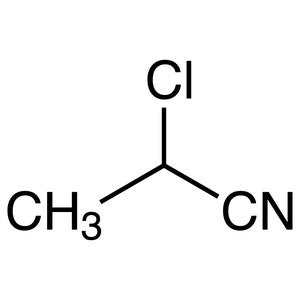
2-Chloropropanenitrile TCI C3771
Regular price Rp 2.359.350,00Regular price -
Nonanenitrile TCI P0020
Regular price Rp 1.749.300,00Regular price