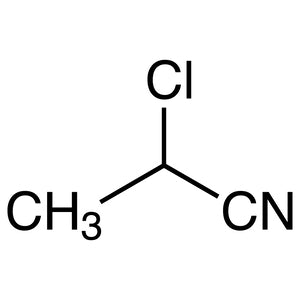
2-Chloropropanenitrile is a chemical compound widely used as a foundational building block in the synthesis of complex organic molecules. Its reactive nitrile group makes it a versatile reagent in various chemical reactions, including nucleophilic, substitution, and electrophilic processes. In laboratory settings, it plays a crucial role in the development of new compounds, particularly in organic synthesis and pharmaceutical research. Due to its high reactivity and ability to participate in controlled chemical transformations, it is a valuable tool for researchers aiming to create novel molecular structures.
The compound's reactivity stems from its nitrile functional group, which is highly susceptible to nucleophilic attack. This makes it an ideal candidate for a wide range of synthetic strategies. Additionally, its stability under certain conditions allows for safe storage and extended use. These properties make it a preferred choice for chemists and researchers who require reliable and effective reagents for their experiments. Its consistent performance in various reaction conditions further enhances its appeal in both academic and industrial research environments.
In Indonesian laboratories, 2-Chloropropanenitrile is commonly used in research and educational settings. It supports chemical experiments, pharmaceutical development, and studies on organic reactivity. Its availability in the local market ensures that scientists and students can access this essential reagent for their work. Its role in advancing chemical research and education is significant, making it a staple in many laboratory environments across Indonesia.
TCI brochures (PDF)
- Biomaterials Research Reagents 2025-02-19 · p. 29
Related TCI products
- Organic synthesis applications benefit from 2-Chloropropanenitrile due to its reactivity and ability to form diverse molecular structures.
- Pharmaceutical research utilizes this compound as a key intermediate in the development of new drug compounds and therapeutic agents.
- Educational laboratories use it to teach fundamental chemical reactions and synthetic techniques to students.
- Industrial chemical processes incorporate it for the production of specialty chemicals and intermediates.
- Analytical chemistry applications rely on its stability and reactivity for the study of organic compound behavior and reactivity.
| Brand | TCI |
|---|---|
| CAS number | 1617-17-0 |
| Molecular formula | — |
| Purity | — |
| Category | Chemistry > Building Blocks > Non-Heterocyclic Building Blocks |
| Pack sizes | Available in various quantities as per supplier specifications |
| Physical form | Liquid |
| Storage | Store in a cool, dry place away from moisture and direct sunlight |
2-Chloropropanenitrile should be stored in a cool, dry environment to maintain its stability and reactivity. It is recommended to keep it in a sealed container to prevent exposure to moisture and air. Due to its chemical nature, it should be stored away from incompatible substances such as strong bases or oxidizing agents. Laboratory personnel should handle the compound with appropriate personal protective equipment, including gloves and safety goggles. Proper ventilation is essential when working with this material to ensure safe handling and minimize exposure risks. Regular inspection of storage conditions is advised to maintain optimal safety and performance.
—
Product Categories
- Polymer/Macromolecule ReagentsPolymerization ReagentsControlled Radical Polymerization Reagents
- Biomaterials/Biocompatible Materials Research ReagentsPolymerization Reagents (Initiators, Catalysts, Ligands) [Biomaterials/Biocompatible Materials Research Reagents]Atom Transfer Radical Polymerization (ATRP) Reagents
Produk Terkait
-
Methyl2-Chloropropionate TCI C0970
Regular price From Rp 1.033.200,00Regular priceRp 738.150,00Sale price From Rp 1.033.200,00 -
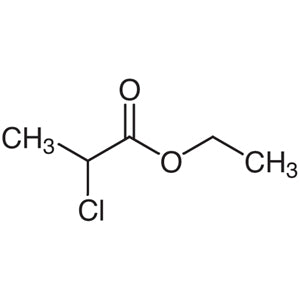
Ethyl2-Chloropropionate TCI C0790
Regular price From Rp 1.405.950,00Regular priceRp 998.550,00Sale price From Rp 1.405.950,00 -
Tris[2-(dimethylamino)ethyl]amine TCI T2898
Regular price From Rp 2.254.350,00Regular priceRp 1.576.050,00Sale price From Rp 2.254.350,00 -
Bromoacetonitrile TCI B1058
Regular price From Rp 1.881.600,00Regular priceRp 1.331.400,00Sale price From Rp 1.881.600,00 -
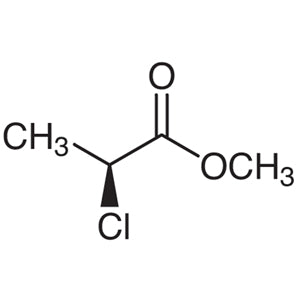
Methyl(S)-(-)-2-Chloropropionate TCI C1634
Regular price Rp 2.702.700,00Regular priceRp 1.905.750,00Sale price Rp 2.702.700,00 -
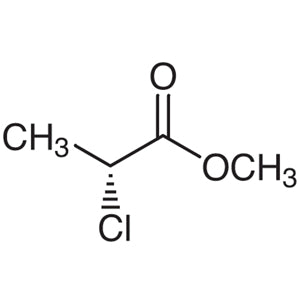
Methyl(R)-(+)-2-Chloropropionate TCI C1633
Regular price Rp 3.312.750,00Regular priceRp 2.332.050,00Sale price Rp 3.312.750,00 -
3-Oxo-3-(p-tolyl)propanenitrile TCI T3700
Regular price Rp 1.326.150,00Regular priceRp 942.900,00Sale price Rp 1.326.150,00 -
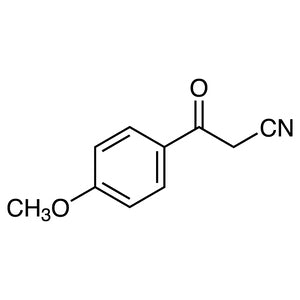
3-(4-Methoxyphenyl)-3-oxopropanenitrile TCI M3492
Regular price From Rp 1.087.800,00Regular priceRp 775.950,00Sale price From Rp 1.087.800,00


![TCI T2898 33527-91-2 Tris[2-(dimethylamino)ethyl]amine](http://amiscientific.com/cdn/shop/files/TCI2510T2898_866f74f6-700d-4cc1-b894-515cc64cd509.jpg?v=1792663764&width=533)
![33527-91-2 Tris[2-(dimethylamino)ethyl]amine - AMI Scientific](http://amiscientific.com/cdn/shop/files/TCI2510T2898.jpg?v=1767143487&width=533)