Isoamyl Acetoacetate is a chemical compound widely used in laboratory settings for various synthetic reactions aimed at the production of complex compounds. As a building block in organic chemistry, it plays a crucial role in the development of new materials and pharmaceuticals. Its molecular structure enables it to participate in substitution and elimination reactions, making it a versatile reagent for chemists. This compound is particularly valuable for its ability to serve as a precursor in the synthesis of aromatic compounds, esters, and other functional derivatives.
The chemical properties of Isoamyl Acetoacetate make it a preferred choice for laboratory applications. It exhibits stability under controlled conditions, although it remains sensitive to high temperatures and oxidative environments. These characteristics require careful handling to maintain its integrity and effectiveness. Its compatibility with a wide range of reagents and solvents further enhances its utility in diverse chemical processes. The compound’s reliability and predictable behavior contribute to its popularity among researchers.
In Indonesian laboratories, Isoamyl Acetoacetate is extensively used in chemical research, especially in the fields of organic synthesis and analytical chemistry. Its availability in various packaging options facilitates its use in both small-scale experiments and larger research projects. Due to its reliability and suitability for common laboratory reactions, it is a favored material among local researchers and institutions.
- Organic Synthesis: Isoamyl Acetoacetate is ideal for organic synthesis due to its reactivity and ability to participate in substitution and elimination reactions, enabling the creation of complex molecular structures.
- Pharmaceutical Development: The compound is used in the development of pharmaceutical compounds as a building block for synthesizing active pharmaceutical ingredients.
- Cosmetic Formulation: It is employed in cosmetic chemistry for the production of esters and aromatic compounds used in fragrance and skincare products.
- Analytical Chemistry: Its stability and reactivity make it suitable for use in analytical procedures where precise chemical reactions are required.
- Industrial Chemistry: The compound is applied in industrial settings for the production of specialty chemicals and intermediates.
| Brand | TCI |
|---|---|
| CAS number | 2308-18-1 |
| Molecular formula | — |
| Purity | — |
| Category | Chemistry > Building Blocks > Non-Heterocyclic Building Blocks |
| Pack sizes | Available in various packaging options for different experimental scales |
| Physical form | Liquid |
| Storage | Store in a cool, dark place away from heat and oxidizing agents |
Isoamyl Acetoacetate should be stored in a cool, dark place to maintain its chemical stability. It is recommended to use airtight containers to prevent exposure to air and moisture, which can lead to degradation. Due to its sensitivity to high temperatures and oxidative conditions, it should be kept away from heat sources and direct sunlight. Laboratory personnel should handle the compound with care, using appropriate personal protective equipment such as gloves and goggles. Proper ventilation is also essential to minimize inhalation risks. The compound should not be stored near incompatible materials such as strong oxidizers or acids. Regular monitoring of storage conditions ensures the compound remains effective and safe for use.
—
Produk Terkait
-
IsopropylAcetoacetate TCI I0826
Regular price From Rp 1.033.200,00Regular priceRp 738.150,00Sale price From Rp 1.033.200,00 -
Ethyl4,4,4-Trichloroacetoacetate TCI T1285
Regular price From Rp 4.081.350,00Regular priceRp 2.869.650,00Sale price From Rp 4.081.350,00 -
Ethyl2-Benzylacetoacetate TCI B2008
Regular price From Rp 662.550,00Regular priceRp 478.800,00Sale price From Rp 662.550,00 -
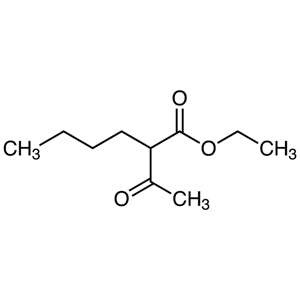
Ethyl2-Butylacetoacetate TCI B0702
Regular price From Rp 1.431.150,00Regular priceRp 1.016.400,00Sale price From Rp 1.431.150,00 -
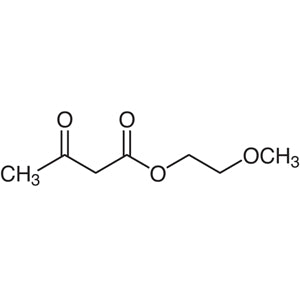
2-MethoxyethylAcetoacetate TCI A1583
Regular price Rp 662.550,00Regular priceRp 478.800,00Sale price Rp 662.550,00 -
LithiumAcetoacetate TCI A1478
Regular price From Rp 3.232.950,00Regular priceRp 2.276.400,00Sale price From Rp 3.232.950,00 -
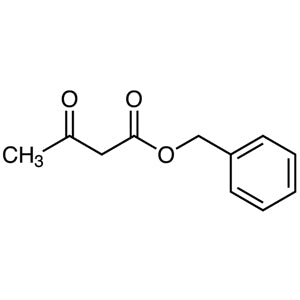
BenzylAcetoacetate TCI A1080
Regular price From Rp 1.220.100,00Regular priceRp 868.350,00Sale price From Rp 1.220.100,00 -
n-OctylAcetoacetate TCI A0915
Regular price Rp 3.419.850,00Regular priceRp 2.406.600,00Sale price Rp 3.419.850,00