Propyl Acetoacetate (CAS 1779-60-8) is a versatile organic compound widely used in laboratory settings for its reactivity and utility in synthetic chemistry. As a key building block, it plays a crucial role in the development of complex molecules, including pharmaceuticals, industrial chemicals, and specialty compounds. Its molecular structure, featuring both an ester and a ketone group, allows it to participate in a variety of chemical reactions, making it indispensable in organic synthesis. This compound is particularly valued for its ability to undergo nucleophilic and substitution reactions, which are essential in the creation of heterocyclic and non-heterocyclic structures.
The chemical properties of Propyl Acetoacetate make it a preferred choice for researchers. It is stable under certain conditions but remains highly reactive in controlled environments, enabling it to be used in a wide range of experimental setups. Its availability in liquid form and ease of handling further enhance its practicality in laboratory applications. The compound’s reactivity and stability balance make it ideal for both academic and industrial research, supporting the development of new compounds with diverse applications.
In Indonesian laboratories, Propyl Acetoacetate is commonly used in organic chemistry research, especially in higher education institutions and applied research projects. It is a fundamental component in the synthesis of new compounds with medical and industrial applications. Its widespread use in both teaching and research underscores its importance as a core reagent in the chemical sciences.
- Organic synthesis of pharmaceuticals and industrial chemicals due to its reactivity and structural versatility.
- Development of heterocyclic and non-heterocyclic compounds through nucleophilic and substitution reactions.
- Educational use in undergraduate and graduate chemistry courses for teaching synthetic methods and reaction mechanisms.
- Research in medicinal chemistry for the creation of new drug molecules with therapeutic applications.
- Industrial applications in the production of specialty chemicals and polymer-based materials.
| Brand | TCI |
|---|---|
| CAS number | 1779-60-8 |
| Molecular formula | — |
| Purity | — |
| Category | Chemistry > Building Blocks > Non-Heterocyclic Building Blocks |
| Pack sizes | Available in various sizes as per standard laboratory supply |
| Physical form | Liquid |
| Storage | Store in a cool, dry place away from direct sunlight and incompatible materials |
Propyl Acetoacetate should be stored in a cool, dry environment to maintain its chemical stability. It is recommended to keep the compound in a sealed container to prevent evaporation and contamination. Due to its reactivity, it should be stored away from strong oxidizing agents and incompatible substances. Proper ventilation is essential when handling the material to minimize exposure. Laboratory personnel should wear appropriate personal protective equipment, including gloves and safety goggles, when working with this compound. Regular inspection of storage containers ensures the integrity of the material and reduces the risk of accidental exposure.
—
Produk Terkait
-
IsopropylAcetoacetate TCI I0826
Regular price From Rp 1.033.200,00Regular priceRp 738.150,00Sale price From Rp 1.033.200,00 -
Ethyl4,4,4-Trichloroacetoacetate TCI T1285
Regular price From Rp 4.081.350,00Regular priceRp 2.869.650,00Sale price From Rp 4.081.350,00 -
Ethyl2-Benzylacetoacetate TCI B2008
Regular price From Rp 662.550,00Regular priceRp 478.800,00Sale price From Rp 662.550,00 -
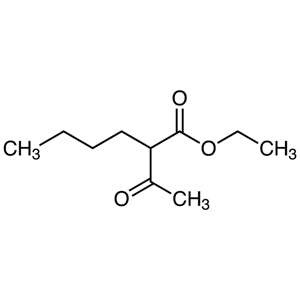
Ethyl2-Butylacetoacetate TCI B0702
Regular price From Rp 1.431.150,00Regular priceRp 1.016.400,00Sale price From Rp 1.431.150,00 -
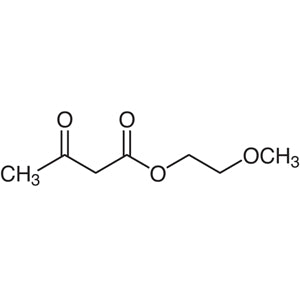
2-MethoxyethylAcetoacetate TCI A1583
Regular price Rp 662.550,00Regular priceRp 478.800,00Sale price Rp 662.550,00 -
LithiumAcetoacetate TCI A1478
Regular price From Rp 3.232.950,00Regular priceRp 2.276.400,00Sale price From Rp 3.232.950,00 -
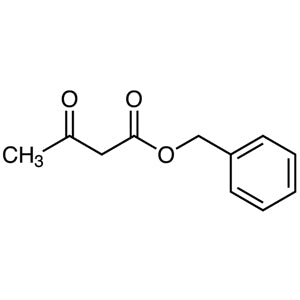
BenzylAcetoacetate TCI A1080
Regular price From Rp 1.220.100,00Regular priceRp 868.350,00Sale price From Rp 1.220.100,00 -
n-OctylAcetoacetate TCI A0915
Regular price Rp 3.419.850,00Regular priceRp 2.406.600,00Sale price Rp 3.419.850,00