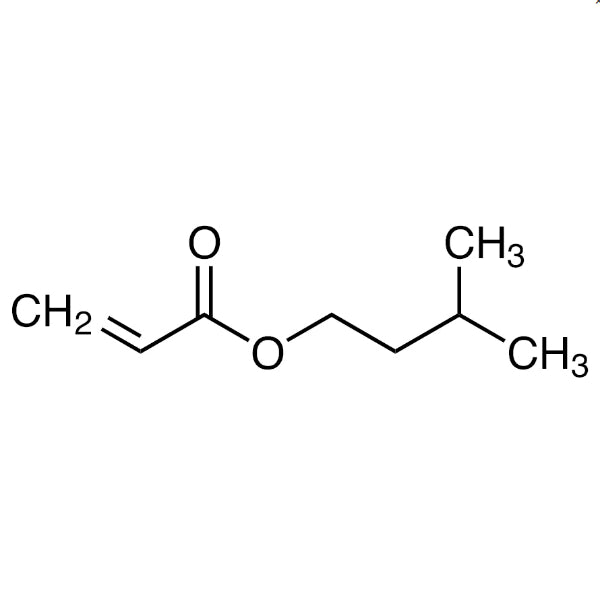
Isoamyl Acrylate (stabilized with HQ), with CAS number 4245-35-6, is a chemical monomer widely used in polymerization reactions to produce polymers with specific properties. This compound is a key component in the field of materials science, particularly in polymer and macromolecule research. It serves as a foundational building block for creating polymer chains that can be tailored for various industrial and scientific applications. Its versatility makes it an essential reagent in both academic and applied research settings.
The chemical stability and reactivity of Isoamyl Acrylate make it a preferred choice for high-precision polymerization processes. The stabilization with hydroquinone (HQ) enhances its shelf life and reduces the risk of degradation during storage, ensuring consistent performance in laboratory experiments. This combination of stability and reactivity allows researchers to achieve reliable results in polymer synthesis and modification. Its ability to maintain chemical integrity under controlled conditions is crucial for maintaining the accuracy of experimental outcomes.
In Indonesian laboratories, Isoamyl Acrylate is commonly used in material and polymer-related research. It is frequently employed in chemical research, pharmaceutical development, and the creation of new materials. Due to its stable and reactive nature, it plays a vital role in experiments that require precise control over polymer structure and properties. Its presence in these research areas underscores its importance in advancing scientific innovation in Indonesia.
TCI brochures (PDF)
- Monomers 2025-05-28 · p. 3
Related TCI products
- TCI Z0069 14643-87-9 Zinc Acrylate
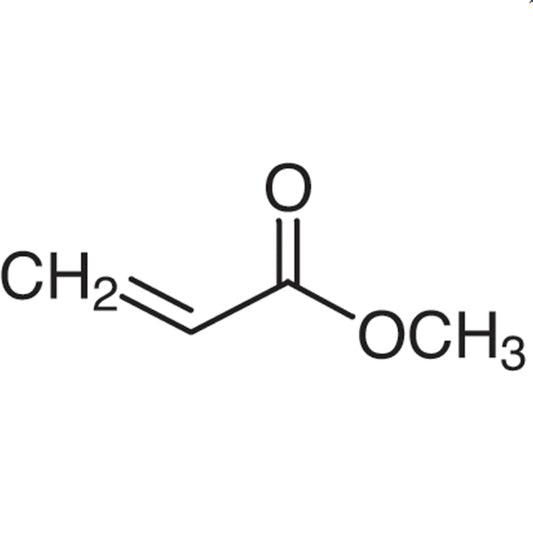
- TCI A0145 96-33-3 Methyl Acrylate (stabilized with MEHQ)
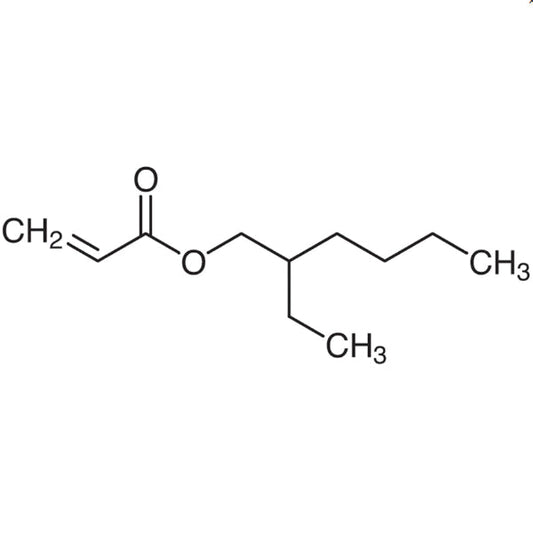
- TCI A0144 103-11-7 2-Ethylhexyl Acrylate Monomer (stabilized with MEHQ)
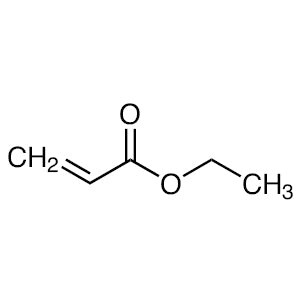
- TCI A0143 140-88-5 Ethyl Acrylate (stabilized with MEHQ)
- TCI A0142 141-32-2 Butyl Acrylate (stabilized with MEHQ)
- TCI U0117 31098-20-1 3-Sulfopropyl Acrylate Potassium Salt
- Polymer synthesis and modification in materials science research due to its reactivity and ability to form diverse polymer structures.
- Development of new materials in chemical and industrial laboratories where controlled polymerization is essential.
- Pharmaceutical research for creating polymer-based drug delivery systems and other advanced formulations.
- Academic studies in polymer chemistry to explore the behavior and properties of different monomers.
- Industrial applications in the production of coatings, adhesives, and other polymer-based products requiring high performance.
| Brand | TCI |
|---|---|
| CAS number | 4245-35-6 |
| Molecular formula | — |
| Purity | — |
| Category | Materials Science > Polymer/Macromolecule Reagents > Monomers |
| Pack sizes | Available in standard laboratory quantities as per supplier specifications |
| Physical form | Liquid |
| Storage | Store in a cool, dark place away from heat and direct sunlight |
Isoamyl Acrylate should be stored in a cool, dark environment to maintain its chemical stability and prevent degradation. It is recommended to keep the material in a tightly sealed container to minimize exposure to air and moisture. Due to its reactivity, it should be handled in a well-ventilated area, and appropriate personal protective equipment should be worn. Avoid contact with skin and eyes, and ensure that storage areas are away from incompatible substances. Regular monitoring of storage conditions is necessary to ensure the material remains safe and effective for use in laboratory applications.
—
Product Categories
Produk Terkait
-
ZincAcrylate TCI Z0069
Regular price Rp 769.650,00Regular priceRp 537.600,00Sale price Rp 769.650,00 -
MethylAcrylate(stabilizedwithMEHQ) TCI A0145
Regular price Rp 477.750,00Regular priceRp 333.900,00Sale price Rp 477.750,00 -
2-EthylhexylAcrylateMonomer(stabilizedwithMEHQ) TCI A0144
Regular price Rp 505.050,00Regular priceRp 352.800,00Sale price Rp 505.050,00 -
EthylAcrylate(stabilizedwithMEHQ) TCI A0143
Regular price Rp 477.750,00Regular priceRp 333.900,00Sale price Rp 477.750,00 -
ButylAcrylate(stabilizedwithMEHQ) TCI A0142
Regular price Rp 505.050,00Regular priceRp 352.800,00Sale price Rp 505.050,00 -
3-SulfopropylAcrylatePotassiumSalt TCI U0117
Regular price Rp 1.565.550,00Regular priceRp 1.094.100,00Sale price Rp 1.565.550,00 -
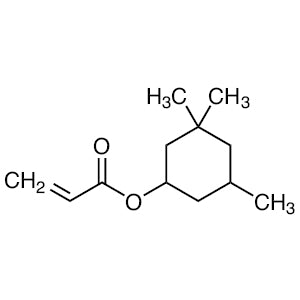
3,3,5-TrimethylcyclohexylAcrylate(cis-andtrans-mixture)(stabilizedwithMEHQ) TCI T3984
Regular price Rp 1.510.950,00Regular priceRp 1.056.300,00Sale price Rp 1.510.950,00 -
2,4,6-TribromophenylAcrylate TCI T3130
Regular price Rp 1.644.300,00Regular priceRp 1.149.750,00Sale price Rp 1.644.300,00