Methyl Acrylate (stabilized with MEHQ) (CAS 96-33-3) is a high-quality chemical from TCI, supplied as High Purity Reagent Grade.
Application: Used as a monomer in radical polymerisation for the production of resins and coatings.
Specifications:
- Molecular formula: C4H6O2
- CAS number: 96-33-3
- Purity: >99.0%(GC)
- TCI product code: A0145
Synonyms: Acrylic Acid Methyl Ester (stabilized with MEHQ)
Available from AMI Scientific, the authorised TCI distributor in Indonesia. Contact us for pricing and stock availability — we ship throughout Indonesia.
TCI brochures (PDF)
- Boronic Acid Esters with Azetidine Moiety 2023-11-28 · p. 1
- Biomaterials Research Reagents 2025-02-19 · p. 8
- Monomers 2025-05-28 · p. 3
Related TCI products
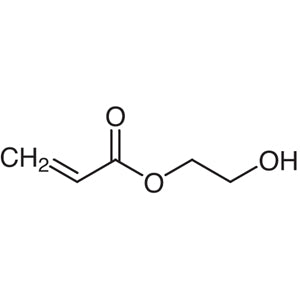
- TCI A0743 818-61-1 2-Hydroxyethyl Acrylate (stabilized with MEHQ)
- TCI A0144 103-11-7 2-Ethylhexyl Acrylate Monomer (stabilized with MEHQ)
- TCI A0142 141-32-2 Butyl Acrylate (stabilized with MEHQ)
- TCI U0117 31098-20-1 3-Sulfopropyl Acrylate Potassium Salt
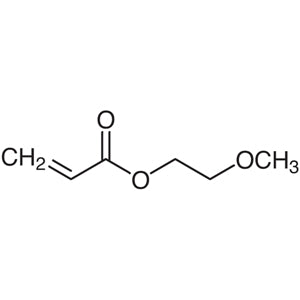
- TCI A1405 3121-61-7 2-Methoxyethyl Acrylate (stabilized with MEHQ)
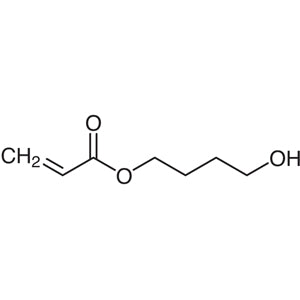
- TCI A1390 2478-10-6 4-Hydroxybutyl Acrylate (stabilized with MEHQ)
From the TCI brochure
- Reagent in scheme step (e) with Ir photocatalyst, CH3OH, acetone, blue light
| Brand | — |
|---|---|
| CAS number | — |
| Molecular formula | — |
| Purity | — |
| Category | — |
| Pack sizes | — |
| Physical form | — |
| Storage | — |
—
References cited in the TCI brochure
- Taeho Kang. Multifaceted Substrate–Ligand Interactions Promote the Copper-Catalyzed Hydroboration of Benzylidenecyclobutanes and Related Compounds ACS Catalysis, 2020. doi:10.1021/acscatal.0c03622
Product Categories
- Polymer/Macromolecule ReagentsMonomersAcrylic Monomers
- Biomaterials/Biocompatible Materials Research ReagentsMonomers and Macromonomers [Biomaterials/Biocompatible Materials Research Reagents]Acrylic Monomers [Biomaterials/Biocompatible Materials Research Reagents]
- Biomaterials/Biocompatible Materials Research ReagentsMonomers and Macromonomers [Biomaterials/Biocompatible Materials Research Reagents]Double Network Gel (DN Gel) Synthesis Reagents
Produk Terkait
-
2-HydroxyethylAcrylate(stabilizedwithMEHQ) TCI A0743
Regular price From Rp 452.550,00Regular priceRp 316.050,00Sale price From Rp 452.550,00 -
2-EthylhexylAcrylateMonomer(stabilizedwithMEHQ) TCI A0144
Regular price From Rp 505.050,00Regular priceRp 352.800,00Sale price From Rp 505.050,00 -
ButylAcrylate(stabilizedwithMEHQ) TCI A0142
Regular price From Rp 505.050,00Regular priceRp 352.800,00Sale price From Rp 505.050,00 -
3-SulfopropylAcrylatePotassiumSalt TCI U0117
Regular price Rp 1.565.550,00Regular priceRp 1.094.100,00Sale price Rp 1.565.550,00 -
2-MethoxyethylAcrylate(stabilizedwithMEHQ) TCI A1405
Regular price From Rp 505.050,00Regular priceRp 352.800,00Sale price From Rp 505.050,00 -
4-HydroxybutylAcrylate(stabilizedwithMEHQ) TCI A1390
Regular price From Rp 557.550,00Regular priceRp 389.550,00Sale price From Rp 557.550,00 -
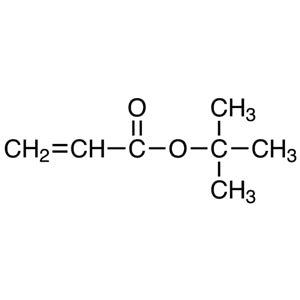
tert-ButylAcrylate(stabilizedwithMEHQ) TCI A1389
Regular price From Rp 452.550,00Regular priceRp 316.050,00Sale price From Rp 452.550,00 -
HydroxypropylAcrylate(mixtureof2-Hydroxypropyland2-Hydroxy-1-methylethylAcrylate)(stabilizedwithMEHQ) TCI A0744
Regular price From Rp 477.750,00Regular priceRp 333.900,00Sale price From Rp 477.750,00