Hydroxypropyl Acrylate (mixture of 2-Hydroxypropyl and 2-Hydroxy-1-methylethyl Acrylate) is a versatile chemical compound used in various laboratory applications for constructing complex molecular structures. This compound serves as a key building block in the synthesis of polymers, resins, and other chemical materials requiring high reactivity. Its role in the laboratory is critical for creating functional polymers with tailored properties, making it an essential reagent in both academic and industrial research settings. The compound is widely used in material science and chemical engineering for its ability to participate in polymerization reactions and molecular modifications.
The chemical properties of Hydroxypropyl Acrylate make it a preferred choice for researchers. It contains reactive hydroxyl and acrylate groups, which enable it to undergo a wide range of chemical transformations. These reactive functionalities allow it to be incorporated into various polymer systems, enhancing the final product’s mechanical and chemical properties. Additionally, the compound is stabilized with MEHQ, which ensures its stability under normal storage conditions and extends its shelf life. This stabilization is crucial for maintaining the compound’s reactivity and purity during storage and use.
In Indonesian laboratories, Hydroxypropyl Acrylate is commonly used in chemical research, material development, and industrial chemical production. Its reactivity and versatility make it a go-to choice for scientists seeking precise and consistent chemical outcomes. The compound is particularly favored in applications requiring high-performance polymers and functional materials. Its widespread use reflects its importance in both academic and industrial chemical processes in Indonesia.
TCI brochures (PDF)
- Biomaterials Research Reagents 2025-02-19 · p. 8
- Monomers 2025-05-28 · p. 3
Related TCI products
- TCI M0512 27813-02-1 Hydroxypropyl Methacrylate (mixture of 2-Hydroxypropyl and 2-Hydroxy-1-methylethyl Methacrylate) (stabilized with MEHQ)
- TCI A0145 96-33-3 Methyl Acrylate (stabilized with MEHQ)
- TCI A0144 103-11-7 2-Ethylhexyl Acrylate Monomer (stabilized with MEHQ)
- TCI A0142 141-32-2 Butyl Acrylate (stabilized with MEHQ)
- TCI U0117 31098-20-1 3-Sulfopropyl Acrylate Potassium Salt
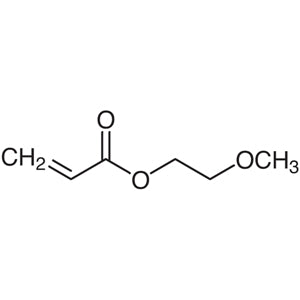
- TCI A1405 3121-61-7 2-Methoxyethyl Acrylate (stabilized with MEHQ)
- Polymer synthesis for creating high-performance materials due to its reactive acrylate and hydroxyl groups.
- Resin formulation to enhance cross-linking and mechanical properties in composite materials.
- Molecular modification of existing polymers to tailor desired chemical and physical characteristics.
- Development of new chemical materials for advanced applications in coatings and adhesives.
- Research in material science for studying polymer behavior under different reaction conditions.
| Brand | TCI |
|---|---|
| CAS number | 25584-83-2 |
| Molecular formula | — |
| Purity | — |
| Category | Chemistry > Building Blocks > Non-Heterocyclic Building Blocks |
| Pack sizes | Available in various sizes as per supplier specifications |
| Physical form | Liquid |
| Storage | Store in a cool, dry place away from direct sunlight and incompatible materials |
Hydroxypropyl Acrylate should be stored in a cool, dry place, away from direct sunlight and sources of heat. It is recommended to use sealed containers made of materials compatible with its chemical properties, such as glass or high-density polyethylene. The compound should be kept in a well-ventilated area to prevent the accumulation of vapors. Due to its reactive nature, it should be handled with appropriate personal protective equipment, including gloves and safety goggles. Avoid contact with incompatible substances such as strong oxidizers or acids. Regular monitoring of storage conditions is essential to ensure the stability and safety of the compound in the laboratory environment.
—
Product Categories
Produk Terkait
-
HydroxypropylMethacrylate(mixtureof2-Hydroxypropyland2-Hydroxy-1-methylethylMethacrylate)(stabilizedwithMEHQ) TCI M0512
Regular price From Rp 505.050,00Regular priceRp 352.800,00Sale price From Rp 505.050,00 -
MethylAcrylate(stabilizedwithMEHQ) TCI A0145
Regular price From Rp 477.750,00Regular priceRp 333.900,00Sale price From Rp 477.750,00 -
2-EthylhexylAcrylateMonomer(stabilizedwithMEHQ) TCI A0144
Regular price From Rp 505.050,00Regular priceRp 352.800,00Sale price From Rp 505.050,00 -
ButylAcrylate(stabilizedwithMEHQ) TCI A0142
Regular price From Rp 505.050,00Regular priceRp 352.800,00Sale price From Rp 505.050,00 -
3-SulfopropylAcrylatePotassiumSalt TCI U0117
Regular price Rp 1.565.550,00Regular priceRp 1.094.100,00Sale price Rp 1.565.550,00 -
2-MethoxyethylAcrylate(stabilizedwithMEHQ) TCI A1405
Regular price From Rp 505.050,00Regular priceRp 352.800,00Sale price From Rp 505.050,00 -
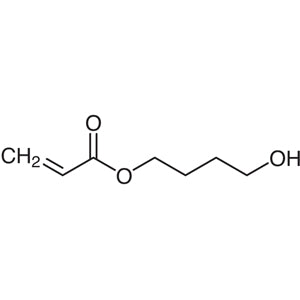
4-HydroxybutylAcrylate(stabilizedwithMEHQ) TCI A1390
Regular price From Rp 557.550,00Regular priceRp 389.550,00Sale price From Rp 557.550,00 -
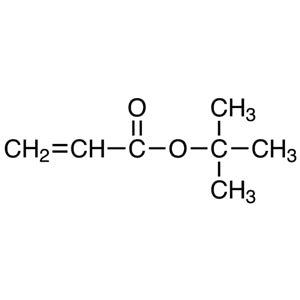
tert-ButylAcrylate(stabilizedwithMEHQ) TCI A1389
Regular price From Rp 452.550,00Regular priceRp 316.050,00Sale price From Rp 452.550,00